Reverse Chair Dance
Reverse Chair Dance is a warm-up exercise in which players watch a leader perform a sequence of chair-based movements, then attempt to reproduce the sequence in reverse order. The exercise trains physical memory, spatial awareness, and the ability to mentally reverse a sequence of actions.
Structure
Setup
Players sit in chairs arranged so everyone can see the leader. The leader performs a short sequence of movements involving the chair: standing up, turning around, sitting back down, lifting one arm, crossing legs, leaning forward, and so on. The sequence should be clear and deliberate, with each action distinct from the next.
Progression
After demonstrating the sequence, the leader asks the group to perform it in reverse order, starting with the last action and ending with the first. Players must mentally rewind the sequence and execute the physical actions backward.
The leader begins with short sequences of three to four movements and gradually increases the length. As sequences grow longer, the challenge shifts from pure memory to pattern recognition. Players learn to chunk movements into logical groups that make reversal easier.
Multiple rounds allow the leader to vary the types of movements: some purely physical, some incorporating sound, some involving spatial changes (moving the chair, standing behind it, sitting on the floor beside it).
Variations
A partner version has one player perform while the other watches, then the watcher reproduces the sequence in reverse. A group version builds a collective sequence with each player adding one movement, then the entire group reverses the chain. A speed version challenges players to reverse the sequence at double the original tempo.
How to Teach It
Objectives
Reverse Chair Dance develops physical memory, sequential thinking, and body awareness. The reversal element adds a cognitive challenge that prevents rote copying and forces active processing of the movement information.
How to Explain It
"Watch me perform a series of movements with this chair. When I finish, you will do the same sequence but backward, starting with my last move and ending with my first."
Scaffolding
Begin with three-movement sequences and extend only when the group demonstrates consistent accuracy. Use clear, distinct movements with pauses between each action. Avoid fluid or overlapping movements in early rounds, as they are harder to isolate and reverse.
Common Pitfalls
Players often attempt to reverse each individual movement (doing a sit-down as a stand-up) rather than reversing the order of the sequence. Clarify that they perform the same actions but in reverse chronological order. A second issue is the leader performing sequences too quickly for players to encode. The demonstration speed should allow observation and mental rehearsal.
Worth Reading
See all books →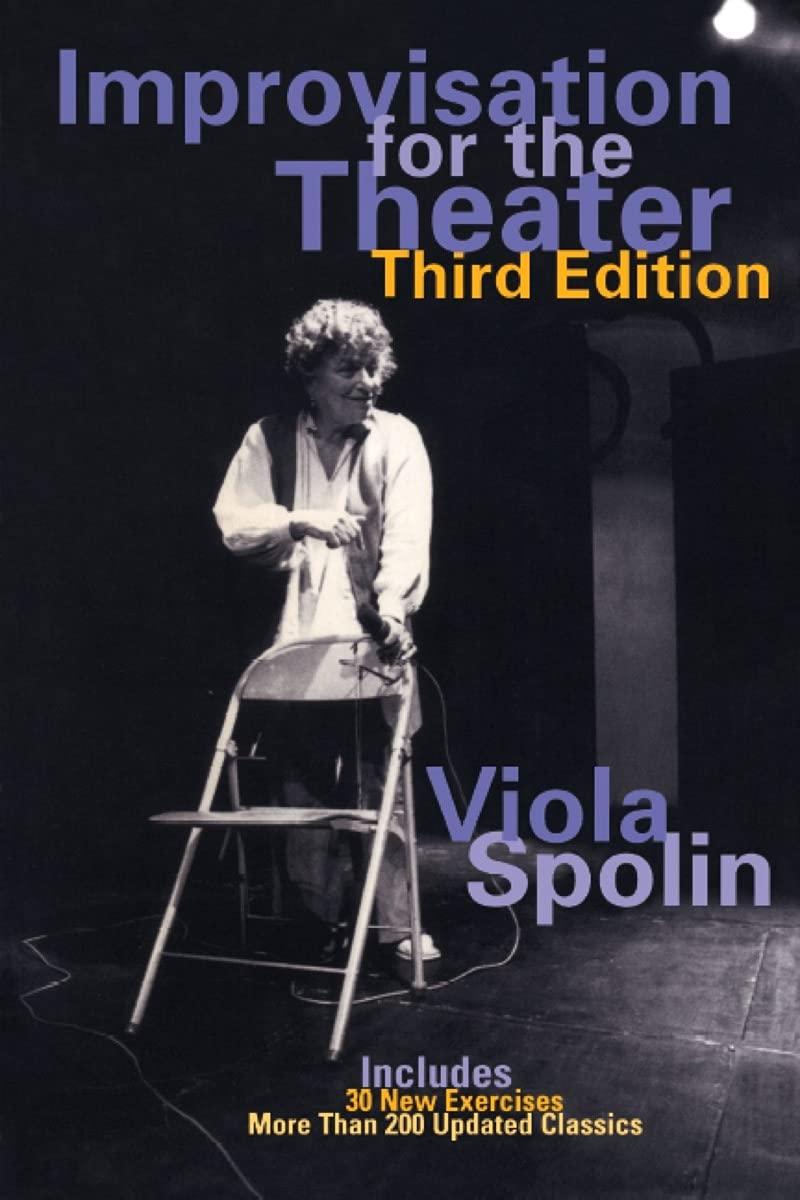
Improvisation for the Theater
A Handbook of Teaching and Directing Techniques
Viola Spolin
Theater Games for Rehearsal
Viola Spolin

Playing Along
37 Group Learning Activities Borrowed from Improvisational Theater
Izzy Gesell

Group Improvisation
The Manual of Ensemble Improv Games
Peter Campbell Gwinn; Charna Halpern

Business Improv
Experiential Learning Exercises to Train Employees
Val Gee
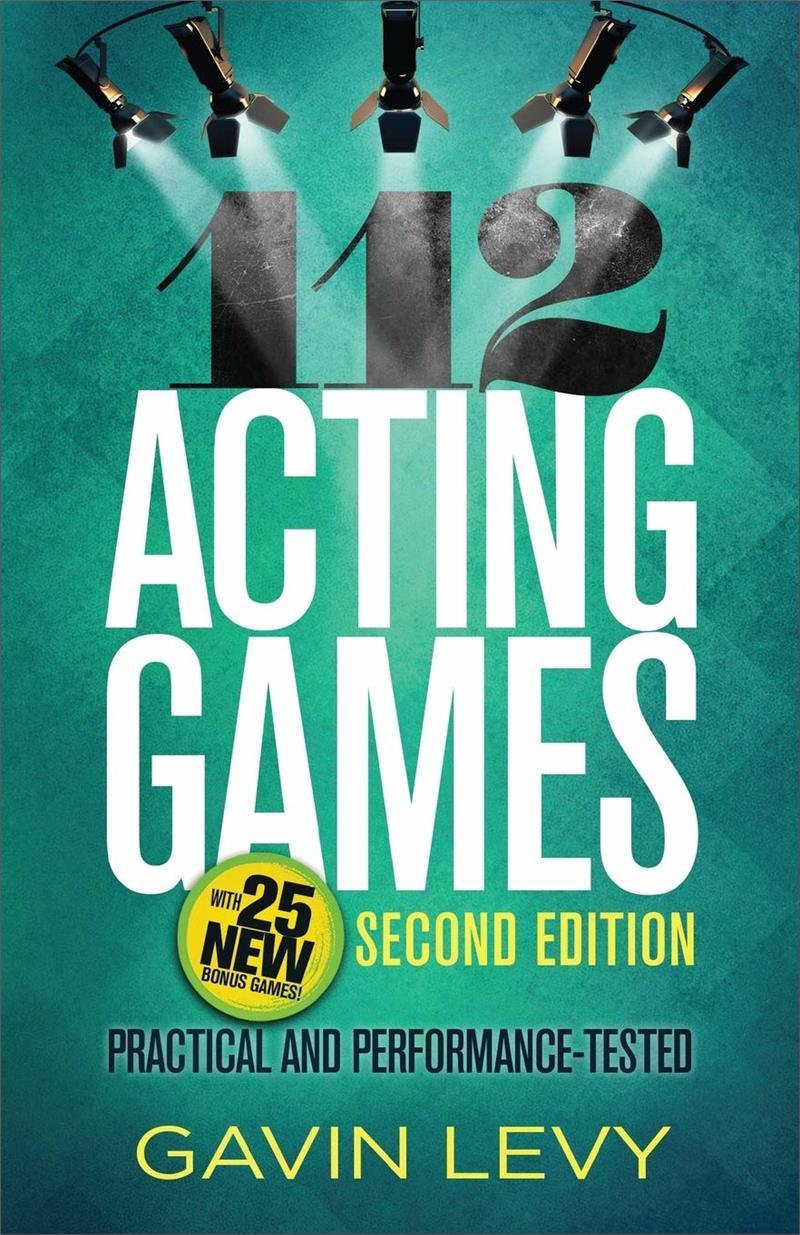
112 Acting Games
Gavin Levy
Related Exercises
Copy Dance
Copy Dance is a mirroring exercise in which one player dances freely while a partner replicates their movements as precisely as possible. The exercise builds physical attunement, partner listening through the body, and comfort with being both mover and follower. It is used as a physicality warm-up and as a partner connection exercise early in rehearsal.
Mirror
Mirror is a foundational partner exercise in which one player moves and the other copies with as much precision as possible. The basic challenge is simple to see and simple to feel: both players must stay connected closely enough that the movement reads as one shared action instead of one person chasing the other. Across published training material, Mirror is used to build concentration, body awareness, responsiveness, and nonverbal listening.
Five Four Three Two One
Five Four Three Two One is a countdown exercise in which players perform five repetitions of one activity, then four of another, then three, two, and one -- each at a progressively different pace, size, or intensity. The structure trains rapid shifting between activities, physical awareness of the number count, and the discipline of stopping precisely on the last repetition rather than continuing past it.
Flock Dance
Flock Dance is a group movement exercise in which all players move through the space together like a murmuration of birds or a school of fish, with leadership passing organically from player to player without spoken negotiation. Whoever is at the front of the group leads; as the group turns, a different player takes the front and assumes leadership automatically. The exercise trains ensemble sensitivity, the ability to lead and follow simultaneously, and group responsiveness without verbal coordination.
Rituals
Rituals is a scene exercise in which performers explore the behavioral rhythms of repeated, patterned actions: the small ceremonies people perform when making coffee, setting a table, greeting a colleague, or preparing for sleep. By slowing down and physicalizing the precise sequence of a ritual, players develop attention to behavioral specificity and discover that the way a character moves through their routines reveals character, relationship, and emotional state as clearly as explicit dialogue.
How to Reference This Page
The Improv Archive. (2026). Reverse Chair Dance. Retrieved October 14, 2026, from https://improvarchive.org/exercises/reverse-chair-dance
The Improv Archive. "Reverse Chair Dance." The Improv Archive, 2026. https://improvarchive.org/exercises/reverse-chair-dance.
The Improv Archive. "Reverse Chair Dance." The Improv Archive, 2026, https://improvarchive.org/exercises/reverse-chair-dance. Accessed October 14, 2026.
The Improv Archive is a systemically maintained repository. The archive itself acts as the corporate author.