Sign Pass is a circle game in which participants pass focus and energy around the group through agreed-upon physical gestures and vocal sounds. Each gesture directs the flow to a specific person, requiring all players to maintain constant awareness of where the focus is traveling.
Structure
Setup
Participants stand in a circle. The facilitator teaches a set of gestures, each with a specific meaning. A basic set might include: a clap directed at the person next to you (passes focus to your neighbor), a point across the circle (sends focus to a specific person), and a hand raised overhead (reverses the direction of flow).
Basic Play
A player begins by sending focus using one of the available gestures. The receiving player immediately sends focus onward using any gesture they choose. The focus travels around and across the circle in an unpredictable pattern, requiring every player to watch constantly and be ready to receive.
Each gesture is accompanied by a specific sound or word. The sound serves both as an energy carrier and as an auditory signal that helps the group track the focus even when visual attention wanders.
Adding Gestures
Once the group is comfortable with the basic set, the facilitator introduces additional gestures with new rules: a gesture that skips one person, a gesture that sends focus to everyone simultaneously, or a gesture that temporarily freezes the person it is sent to. Each addition increases the complexity and the demand on group awareness.
Speed and Flow
The facilitator encourages the group to increase speed gradually. The exercise feels most alive when the pace is fast enough to demand genuine presence but not so fast that errors cascade into confusion. The group finds its own optimal speed through practice.
Variations
A themed version assigns gestures based on a category: animal sounds, character voices, or emotional states. A cumulative version has the group invent their own gestures and names during play, building a shared vocabulary unique to the group.
How to Teach It
Objectives
Sign Pass develops group awareness, nonverbal communication, and the ability to send and receive clear signals under pressure. It trains the ensemble skill of maintaining connection with the entire group rather than focusing on a single partner.
How to Explain It
"Stand in a circle. I will teach you a few gestures that pass focus to different people. Your job is to always know where the focus is and be ready to receive it. When it comes to you, send it on immediately."
Scaffolding
Begin with only two gestures: pass left and pass right. Add cross-circle passing only after the group demonstrates comfort with sequential passing. Introduce more complex gestures one at a time, ensuring each is absorbed before adding the next.
Common Pitfalls
Players sometimes send unclear gestures that leave the recipient confused about whether they were targeted. The facilitator should emphasize crisp, deliberate movements and direct eye contact with the intended receiver. Another issue is players who disconnect between sends, relaxing their attention until the focus approaches them. The exercise demands continuous engagement from everyone.
In Applied Settings
Corporate and Professional Applications
Sign Pass demonstrates the principles of clear communication and active listening in an embodied, memorable format. Teams experience firsthand how unclear signals create confusion and how sustained attention improves group coordination. Facilitators use the exercise to open discussions about communication breakdowns in workplace settings.
Education
Teachers use Sign Pass to develop classroom focus and nonverbal communication skills. The physical engagement keeps students active while the attention demands build concentration capacity.
Skills Developed
Worth Reading
See all books →
The Improvisation Edge
Secrets to Building Trust and Radical Collaboration at Work
Karen Hough
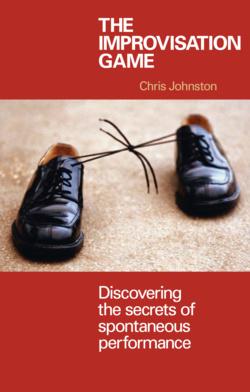
The Improvisation Game
Discovering the Secrets of Spontaneous Performance
Chris Johnston

Group Improvisation
The Manual of Ensemble Improv Games
Peter Campbell Gwinn; Charna Halpern
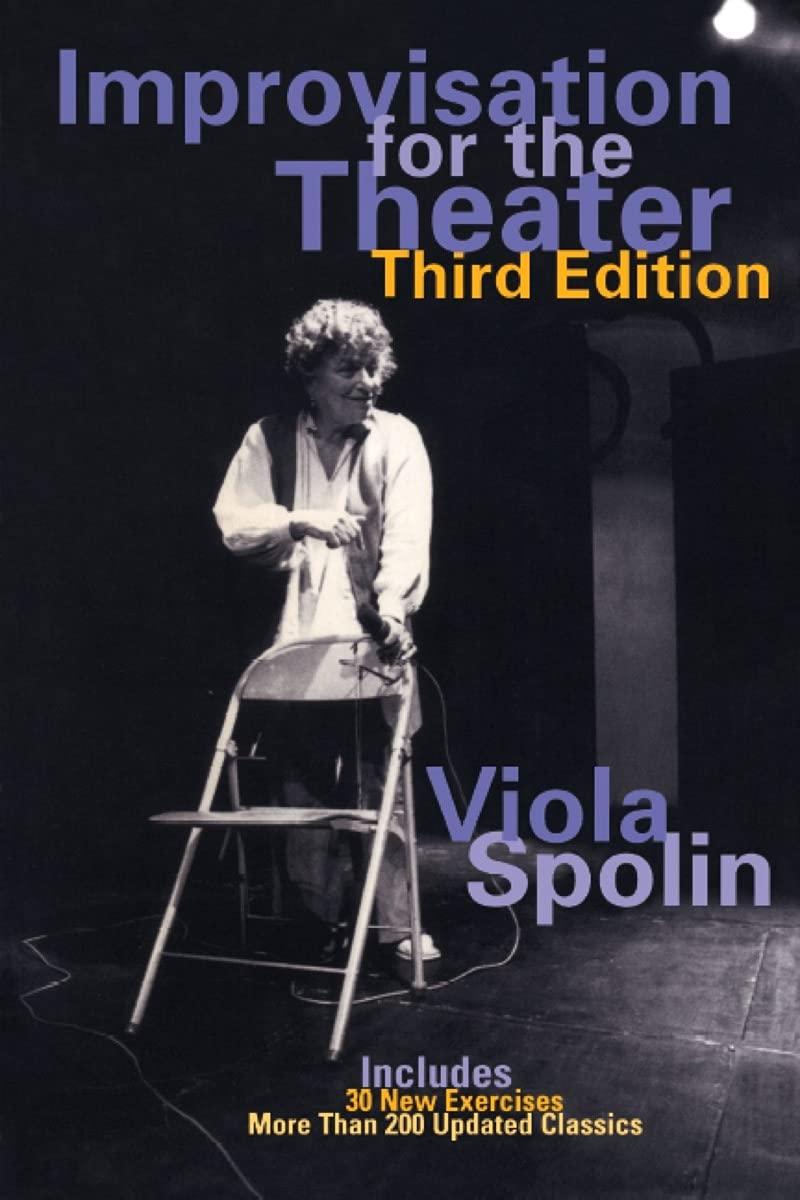
Improvisation for the Theater
A Handbook of Teaching and Directing Techniques
Viola Spolin

Playing Along
37 Group Learning Activities Borrowed from Improvisational Theater
Izzy Gesell
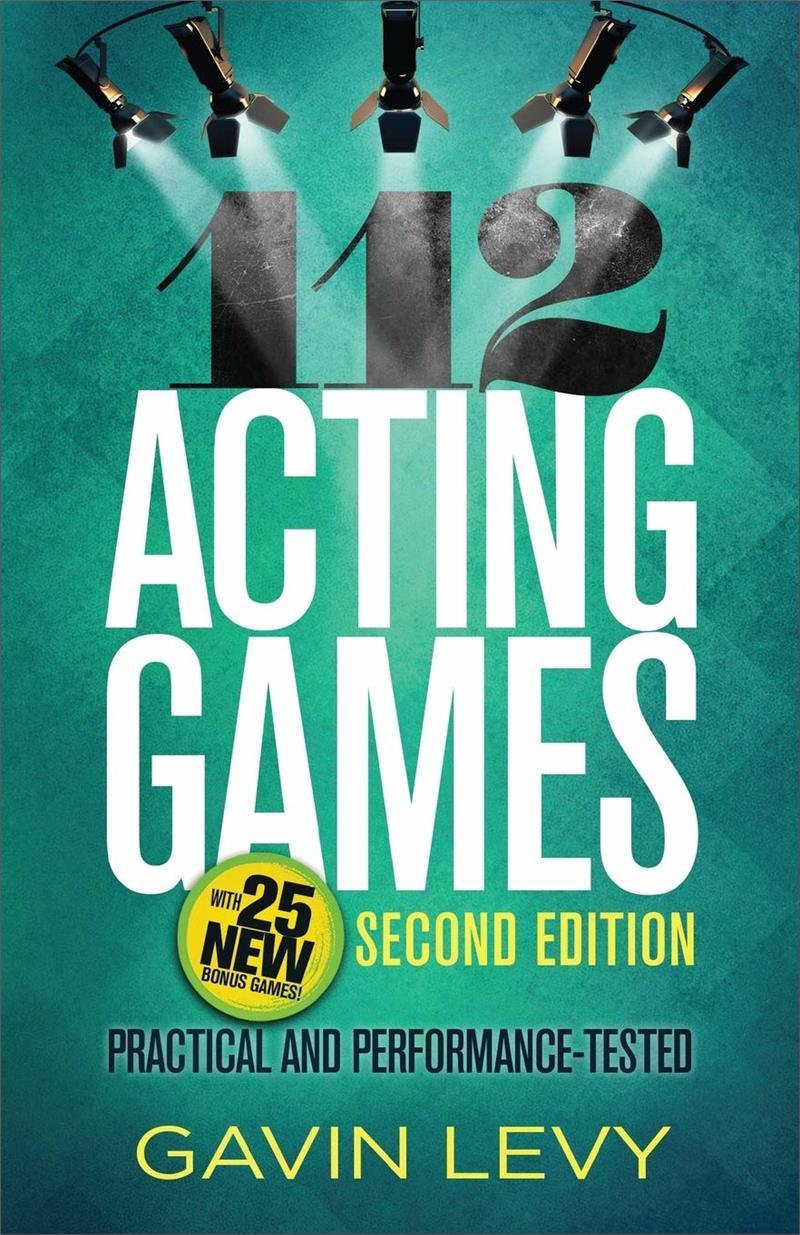
112 Acting Games
Gavin Levy
Related Exercises
Pass the Clap
Pass the Clap is a focus exercise in which players pass a synchronized clap around a circle through eye contact alone. Two players coordinate to clap at precisely the same moment, producing a single unified sound that travels from person to person. The exercise trains nonverbal communication, attentiveness, and the ability to match a partner's timing without verbal cues.
Pass Yes
Pass Yes is a circle warm-up in which players attempt to say the word "yes" at the exact same moment as a partner. One player turns to a neighbor and both try to speak simultaneously, then the receiving player turns to the next person and repeats the process. The exercise trains listening, eye contact, and the willingness to synchronize with another person rather than lead or follow.
Snap Pass
Snap Pass is a focus exercise in which participants pass energy around a circle using snaps, requiring precise attention and timing. Each snap must be directed to a specific person, who receives it and passes it to the next, creating a chain of deliberate focus transfers.
Pass Ball
Pass Ball is a circle warm-up exercise in which players toss a real or imaginary ball around the group while maintaining eye contact with the intended recipient. Additional balls may be introduced to increase complexity, requiring the group to track multiple objects simultaneously. The exercise builds focus, nonverbal communication, and the habit of making clear, directed offers to specific partners rather than throwing ideas into the void.
Status Pass
Status Pass is a circle exercise in which participants pass status levels around the group, physically and verbally shifting between high and low status with each transfer. The exercise builds awareness of how status is communicated through body language, voice, and spatial positioning.
Gesture Circle
Gesture Circle is a movement and listening exercise in which each player in a circle creates an abstract, personally meaningful gesture, teaches it to the player beside them, and receives a gesture from the other side. The exercise passes gestures around the circle so that each gesture travels from person to person, being received, held, and handed on. The exercise develops listening through the body, the capacity for genuine repetition rather than imitation, and a quality of full physical attention to another person's movement.
The Lineage
Explore the schools and structures that influenced or evolved from Sign Pass.
The Improvisation Edge (Karen Hough)
How to Reference This Page
The Improv Archive. (2026). Sign Pass. Retrieved September 29, 2026, from https://improvarchive.org/exercises/sign-pass
The Improv Archive. "Sign Pass." The Improv Archive, 2026. https://improvarchive.org/exercises/sign-pass.
The Improv Archive. "Sign Pass." The Improv Archive, 2026, https://improvarchive.org/exercises/sign-pass. Accessed September 29, 2026.
The Improv Archive is a systemically maintained repository. The archive itself acts as the corporate author.