Silent Organization
Silent Organization is an applied improvisation exercise in which the group must arrange themselves in a specific order without using any words, relying only on eye contact, gestures, and nonverbal negotiation. The exercise reveals how much communication is possible without language and how groups self-organize under constraint.
Structure
Setup
The facilitator instructs the group to line up according to a specific criterion without speaking. Common criteria include birthday (month and day), height, distance from birthplace, number of siblings, or years with the organization. The group must figure out their relative positions through nonverbal communication only.
The Process
Participants begin gesturing, pointing, holding up fingers, and using facial expressions to communicate the relevant information. Players who realize they are at an extreme (earliest birthday, tallest) often position themselves at one end and anchor the line. Others negotiate their positions through a combination of miming and physical negotiation.
Leadership emerges organically. Some participants take charge by physically guiding others. Others become facilitators by helping two confused neighbors sort out their relative positions. The exercise reveals natural group dynamics without verbal dominance.
Verification
Once the group signals that they are done (often through eye contact and nods down the line), the facilitator asks each person to state their value aloud. The group hears whether they succeeded, and any misplacements generate good-natured laughter and discussion about where communication broke down.
Multiple Rounds
Running the exercise with different criteria allows the group to apply lessons from earlier attempts. The second round typically proceeds faster and more efficiently as participants develop shared nonverbal conventions.
Variations
A blindfold version removes visual communication entirely, leaving only touch and sound. A competitive version splits into teams racing to organize themselves first. A moving version has the group continually reorganize as the facilitator calls out new criteria.
How to Teach It
Objectives
Silent Organization develops nonverbal communication skills, collaborative problem-solving, and awareness of how groups self-organize. It demonstrates that effective communication extends far beyond words and highlights natural leadership and facilitation behaviors.
How to Explain It
"Line up in order of your birthday, January first at this end, December thirty-first at that end. No talking. Use gestures, expressions, anything except words."
Scaffolding
Begin with a criterion that is easy to communicate nonverbally, such as birthday (fingers for month and day). Avoid criteria that require complex information exchange until the group has practiced simpler versions. The first round should be achievable to build confidence.
Common Pitfalls
Participants sometimes whisper or mouth words, technically complying with the no-talking rule while violating its spirit. The facilitator should clarify that the point is to discover what nonverbal communication can accomplish. Another issue is participants who give up and wait for others to place them rather than actively participating in the sorting process.
In Applied Settings
Corporate and Professional Applications
Silent Organization is a staple of team-building programs because it provides immediate, visible evidence of a team's communication and collaboration patterns. Facilitators use the post-exercise debrief to discuss how information flows in the workplace, who takes leadership, and how the group handles ambiguity.
Onboarding and Icebreaking
The exercise works well as an icebreaker because it requires interaction without the pressure of verbal conversation. New team members or conference attendees connect physically and nonverbally before the more demanding work of verbal introduction and discussion.
Skills Developed
Worth Reading
See all books →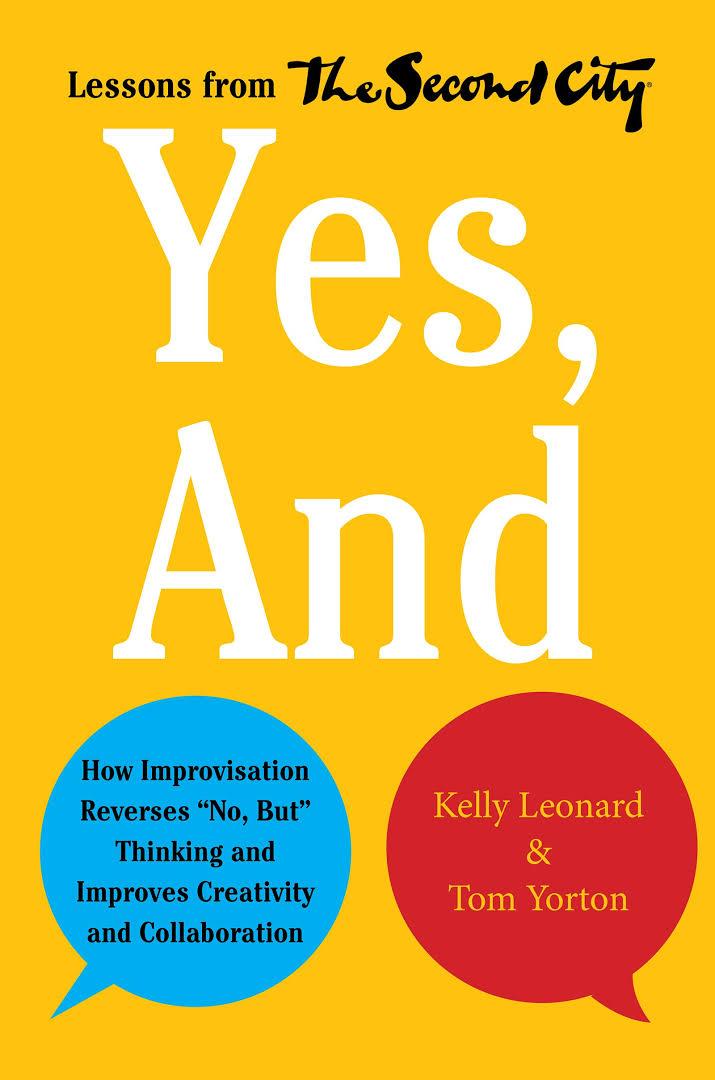
Yes, And
How Improvisation Reverses No, But Thinking and Improves Creativity and Collaboration
Kelly Leonard; Tom Yorton

Business Improv
Experiential Learning Exercises to Train Employees
Val Gee
The Improvisation Game
Discovering the Secrets of Spontaneous Performance
Chris Johnston
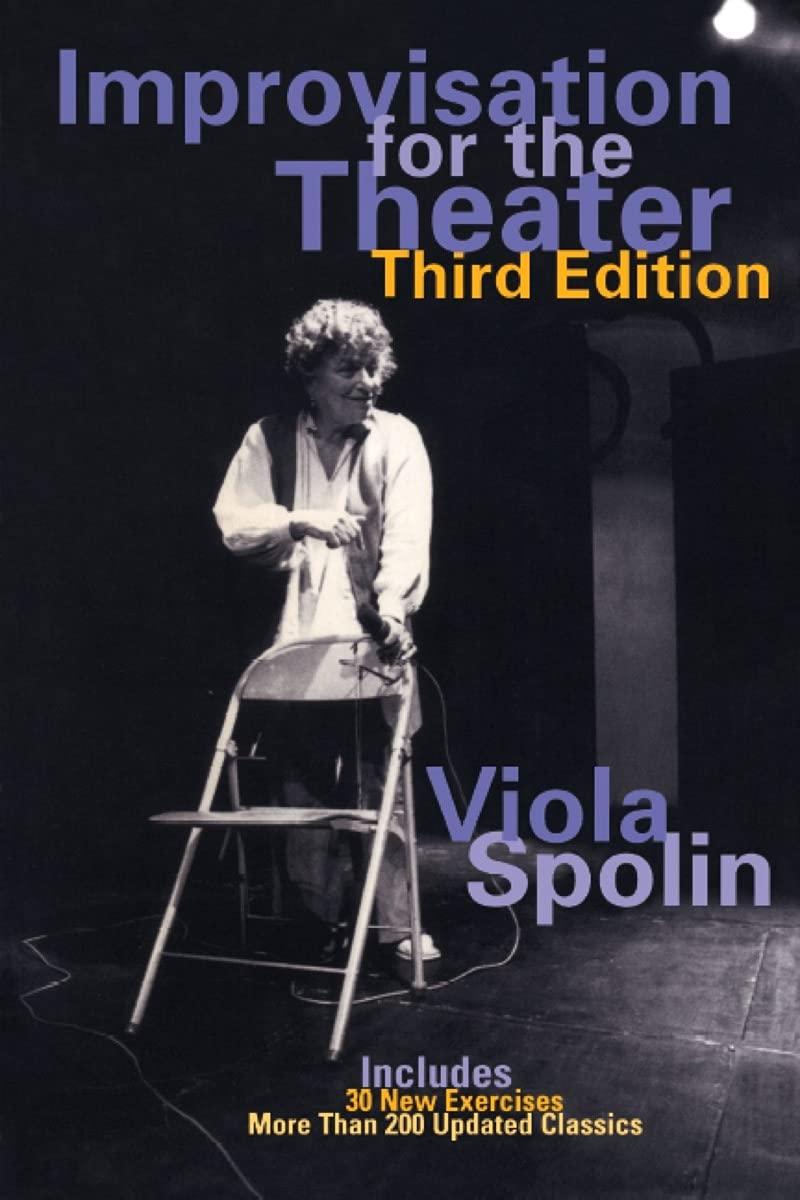
Improvisation for the Theater
A Handbook of Teaching and Directing Techniques
Viola Spolin

Group Improvisation
The Manual of Ensemble Improv Games
Peter Campbell Gwinn; Charna Halpern

The Applied Improvisation Mindset
Tools for Transforming Individuals, Organizations, and Communities
Theresa Robbins Dudeck; Caitlin McClure
Related Exercises
Nonverbal Communication
Nonverbal Communication is an applied improvisation exercise in which participants interact, negotiate, and collaborate without spoken language, relying entirely on gesture, facial expression, body positioning, and physical presence. The exercise reveals how much information is transmitted nonverbally and trains participants to read and use body language with greater awareness and precision.
Group Order
Group Order is a nonverbal exercise in which all players must arrange themselves into a specific sequence -- by height, birthday, shoe size, or another criterion -- without speaking. The exercise forces creative, nonverbal communication and collaborative problem-solving in real time. It builds patience, observation, and comfort with nonverbal interaction while revealing how a group self-organizes when verbal shortcuts are removed.
Blind Line Up
Blind Line Up is a nonverbal communication exercise in which blindfolded players must arrange themselves in a specific order, such as by birthday or height, without speaking. The exercise demands creative problem-solving and alternative communication methods. It builds patience, cooperation, and trust.
Delegation
Delegation is an applied improvisation exercise in which groups create silent human tableaux depicting delegation at its worst and its best. Using only bodies and physical relationships -- no words, no props -- participants explore the dynamics of empowerment, control, and collaborative trust that characterize effective and ineffective delegation. The exercise surfaces assumptions about authority, ownership, and trust in ways that verbal discussion alone often cannot reach.
Leadership
Leadership is an applied improv exercise that uses structured group movement and voluntary leader emergence to explore how leadership authority is claimed, transferred, and recognized within a group. Participants move through the space or perform actions in which any member of the group may step into a leadership role at any moment, and the group must recognize and follow the shift without verbal announcement. The exercise surfaces the dynamics of organizational leadership through an embodied, real-time demonstration.
Without Words
Without Words is a scene exercise in which performers play scenes using sounds, gibberish, or silence instead of coherent language. The constraint forces communication through emotional tone, physicality, spatial relationship, and vocal texture rather than words. The exercise demonstrates that language is only one channel of theatrical communication and develops performers' physical and vocal expressiveness.
The Lineage
Explore the schools and structures that influenced or evolved from Silent Organization.
Yes, And (Kelly Leonard & Tom Yorton)
How to Reference This Page
The Improv Archive. (2026). Silent Organization. Retrieved September 28, 2026, from https://improvarchive.org/exercises/silent-organization
The Improv Archive. "Silent Organization." The Improv Archive, 2026. https://improvarchive.org/exercises/silent-organization.
The Improv Archive. "Silent Organization." The Improv Archive, 2026, https://improvarchive.org/exercises/silent-organization. Accessed September 28, 2026.
The Improv Archive is a systemically maintained repository. The archive itself acts as the corporate author.