Simon Says
Simon Says is an adaptation of the classic children's game for improv and actor training. A leader gives commands, and participants must execute only those commands preceded by the phrase "Simon says." Commands given without the phrase should be ignored; following them is an error. The exercise trains selective listening, impulse control, and the ability to distinguish qualified instructions from unqualified ones under time pressure.
Structure
Basic Game
Participants stand with space to move. One player is designated Simon. Simon gives a series of instructions in quick succession:
- "Simon says, touch your nose." (players comply)
- "Simon says, raise your arms." (players comply)
- "Put your hands on your hips." (players do not comply; those who do are out)
The game accelerates as Simon works to catch participants moving without the prefix. Participants who follow an unprefixed command are eliminated or designated as having failed. The game continues until one player remains or the facilitator ends the round.
Improv Adaptation
Levy uses Simon Says as Exercise 74 in a curriculum sequence linking familiar children's games to actor training objectives. The exercise uses the participants' prior knowledge of the game to eliminate explanation time and provide immediate access to the training concept.
Lynn documents the game's improv use, noting its prevalence: "Current usage: Common."
How to Teach It
How to Explain It
"Simon says look at the person across from you. Simon says raise your right hand. Lower your hand. That last one did not begin with Simon says. The filter runs between the instruction and the action. Train that filter."
Objectives
Simon Says trains selective listening and impulse control: the ability to filter incoming information according to a specific criterion and to override an impulse to respond when the criterion is not met. Both skills are directly relevant to improv performance, in which performers must continuously distinguish information they should act on from information that does not require response.
Brian Levy frames the game as a technique for linking familiar prior knowledge to new training objectives. Participants who already know Simon Says can direct their attention to the training concept (selective listening) rather than the game rules.
Hohn on the Power Dynamics
Mark Hohn observes in Putting Improv to Work that Simon Says and related children's games have implicit power dynamics worth examining: the leader wins when followers fail. Hohn notes that what seems playful in children conceals a structure of authority and compliance that is worth making conscious when using the game in adult training contexts. Facilitators working with organizational groups may find this framing a useful entry point for discussions of authority, attentiveness, and organizational compliance.
Variations for Advanced Groups
For groups already fluent in the basic game, facilitators can increase the cognitive demand by having Simon give commands at high speed, by having multiple Simons simultaneously, or by using movement sequences ("Simon says do what you just did; now do what you did before that") that require recall rather than simple response.
History
Simon Says has ancient antecedents as a command-following game. The specific "Simon says" formulation in English has no identified single inventor; variants of the game appear across many cultures and languages under different names ("Jacques a dit" in French).
Brian Levy documents Simon Says as Exercise 74 in 112 Acting Games (2005), framing it as an example of how facilitators can "link familiar games to" specific actor training objectives. The familiarity of the game reduces the cognitive overhead of learning new rules and allows participants to focus on the training skill immediately. Bill Lynn documents the game in Improvisation for Actors and Writers as a standard ensemble exercise in common use.
Worth Reading
See all books →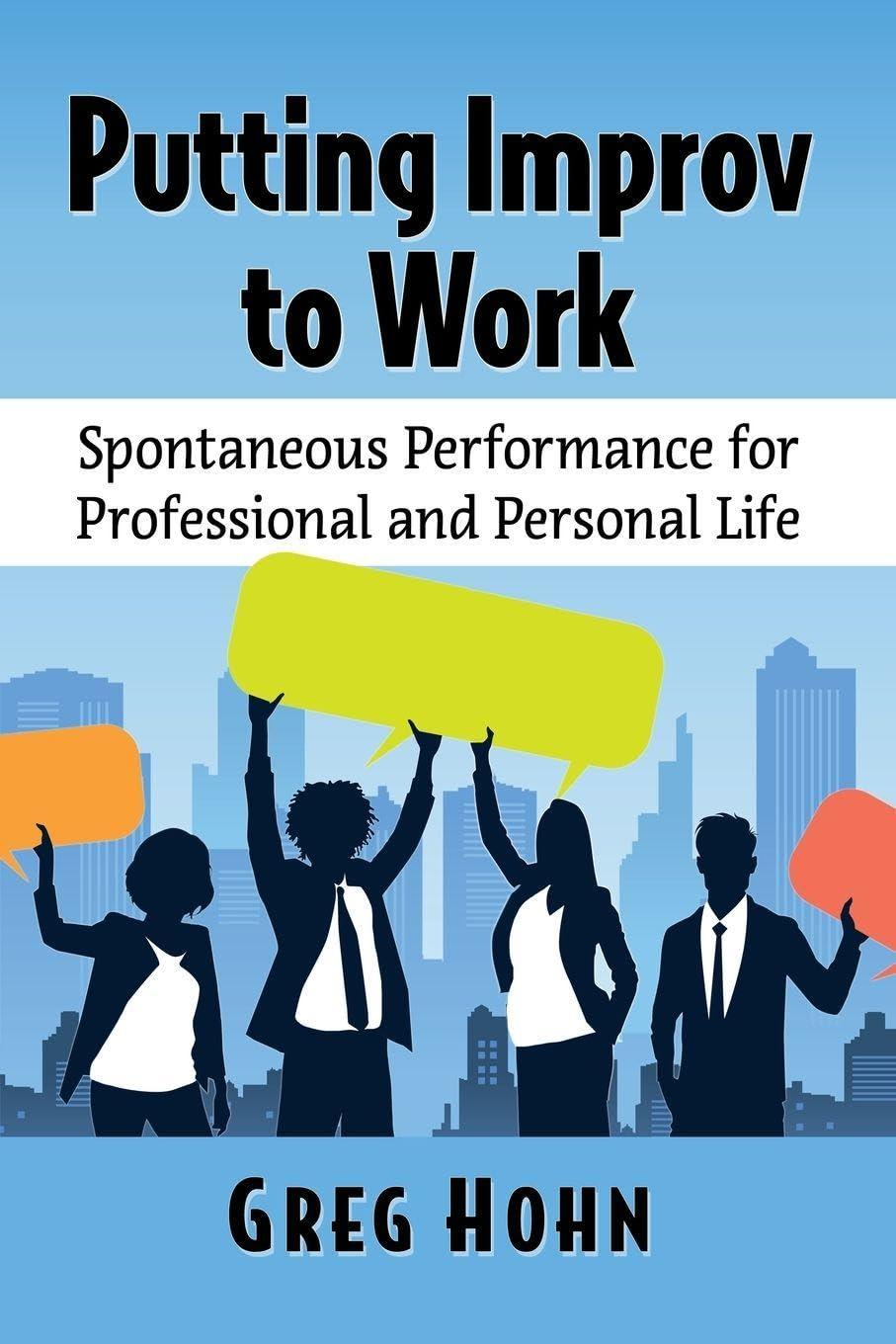
Putting Improv to Work
Spontaneous Performance for Leadership, Learning, and Life
Greg Hohn

Improvisation for Actors and Writers
A Guidebook for Improv Lessons in Comedy
Bill Lynn
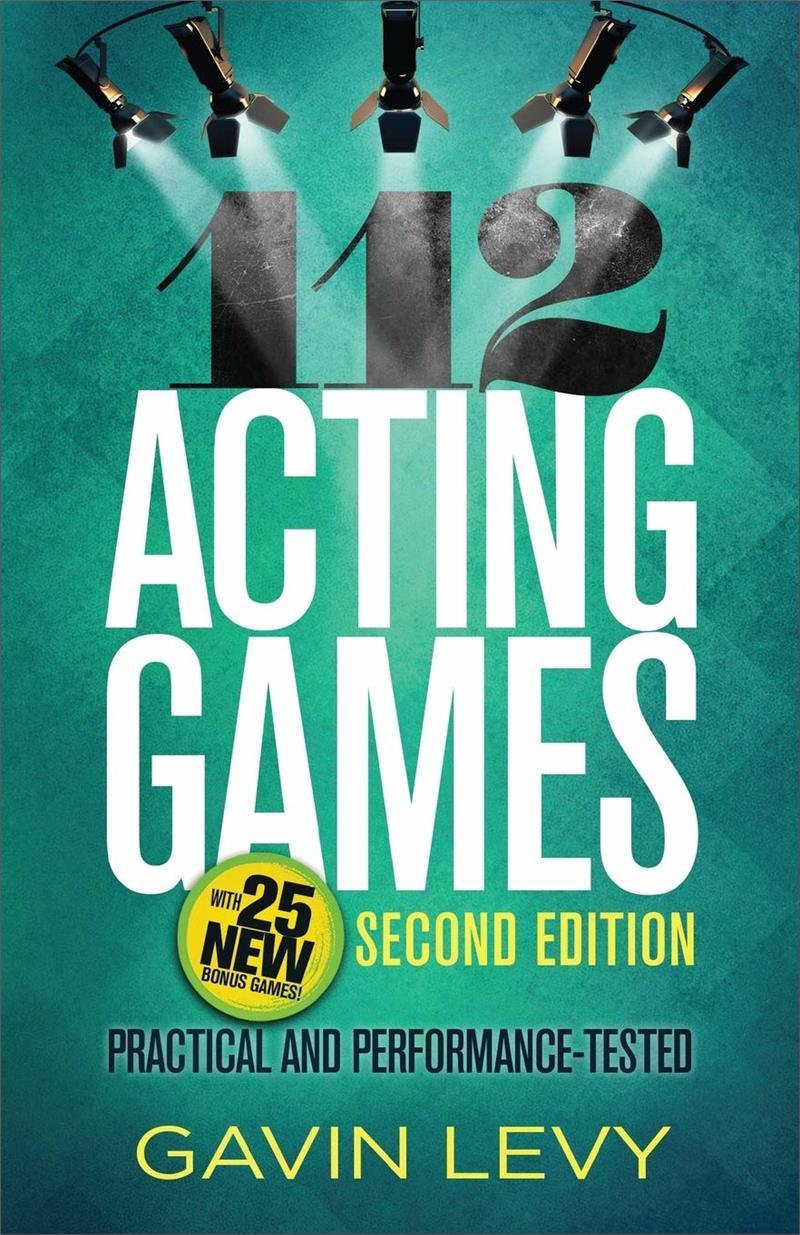
112 Acting Games
Gavin Levy

The Young Actor's Book of Improvisation
Dramatic Situations
Sandra Caruso; Susan Kosoff
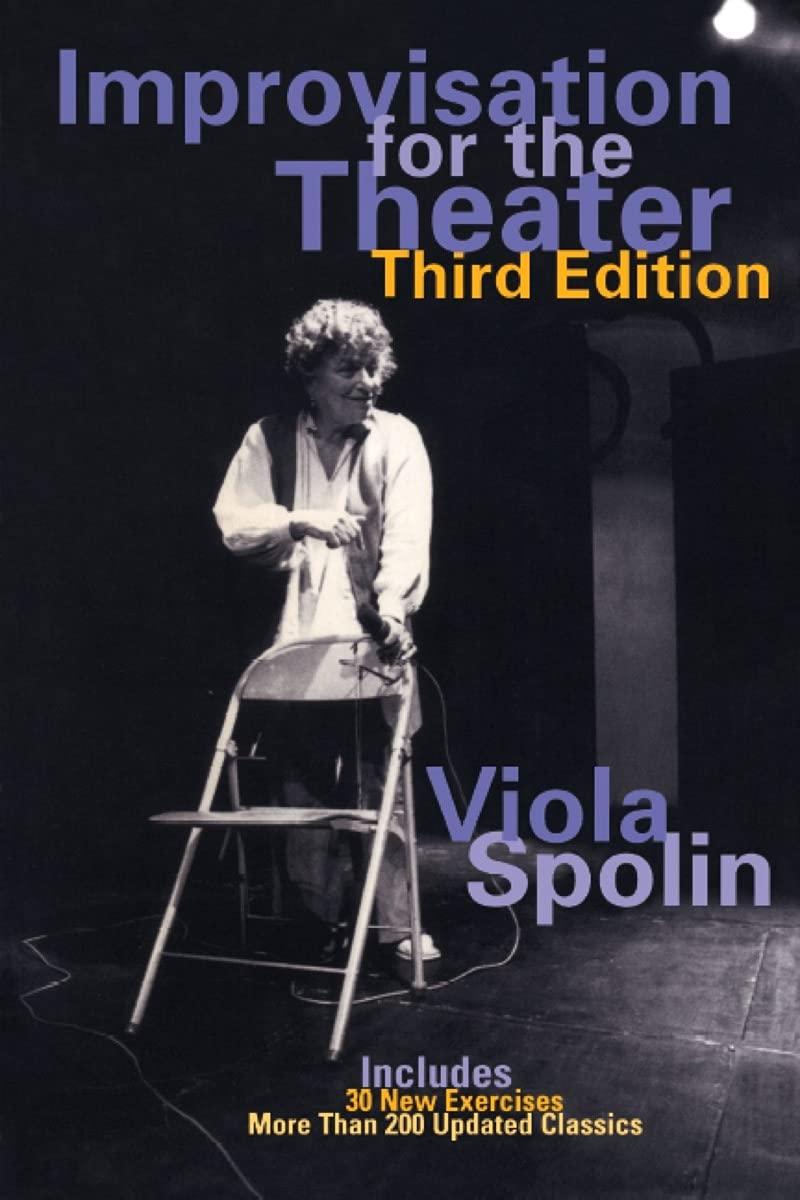
Improvisation for the Theater
A Handbook of Teaching and Directing Techniques
Viola Spolin
Theater Games for Rehearsal
Viola Spolin
Related Exercises
Three Rules
Three Rules is a scene exercise in which the facilitator establishes three specific constraints that performers must maintain throughout their scene. The constraints can be physical (always touching the wall, never letting your hands go below your waist), verbal (never using the letter S, only asking questions), or behavioral (treat your partner as royalty, move as if underwater). The exercise demonstrates that limitations generate rather than restrict creative choices, and trains performers to divide attention between scene work and rule compliance.
Popcorn
Popcorn is an ensemble energy exercise in which players crouch on the ground and pop up one at a time to shout a word, sound, or short phrase before dropping back down. The group must self-regulate so that pops do not overlap and the rhythm stays dynamic. The exercise builds group awareness, spontaneity, and the instinct to fill empty space without stepping on others.
Yes And
Yes And is the foundational improv exercise and philosophical principle in which performers practice accepting a partner's offer (the "yes") and adding new information that builds on it (the "and"). One player makes a statement; the partner responds by first affirming the reality of that statement and then contributing something new. The exercise trains the most essential skill in improvisation and has become the defining principle of the entire art form.
Acting Natural
Acting Natural is an observation exercise that reveals what performers do with their bodies when they think the room is listening to content instead of watching behavior. Players enter one at a time, share simple facts about themselves, and are then confronted with detailed observations about their body language. The exercise builds body awareness and helps actors notice habits that can quietly drain clarity onstage.
Imitate
Imitate is an observation exercise in which players study and reproduce the specific physical mannerisms, vocal patterns, and behavioral habits of another person in the group. The exercise sharpens observational detail and builds the ability to embody external characteristics with precision. Close observation reveals how much personality is communicated through small, habitual movements: the way someone shifts weight, the rhythm of their speech, the angle of their head when listening. Imitate develops the skill set needed for character work grounded in real-world observation rather than invention.
Listening Game
Listening Game is a category of applied improv exercises that use game structures -- rules, constraints, competitive elements, or playful formats -- to make the practice of active listening engaging and its requirements concrete. The Listening Game as a distinct entry encompasses the range of structured listening activities used in applied improv that do not fit a single specific technique but share the common feature of making listening the primary and explicitly tested skill of the activity.
The Lineage
Explore the schools and structures that influenced or evolved from Simon Says.
112 Acting Games (Levy)
How to Reference This Page
The Improv Archive. (2026). Simon Says. Retrieved September 28, 2026, from https://improvarchive.org/exercises/simon-says
The Improv Archive. "Simon Says." The Improv Archive, 2026. https://improvarchive.org/exercises/simon-says.
The Improv Archive. "Simon Says." The Improv Archive, 2026, https://improvarchive.org/exercises/simon-says. Accessed September 28, 2026.
The Improv Archive is a systemically maintained repository. The archive itself acts as the corporate author.