Sock 'Em
Sock 'Em is a physical warm-up exercise in which players engage in a playful combat game using soft objects or mimed punches, building physical awareness, trust, and the ability to create the illusion of contact through coordinated stage combat techniques.
Structure
Setup
Players pair up and face each other with enough space for movement. The facilitator establishes the rules of engagement: all contact is either mimed or made with soft objects such as rolled-up socks. No actual striking occurs.
The Exercise
Partners engage in playful, controlled combat exchanges. One player throws a slow, telegraphed punch or strike while the other reacts as if hit, selling the impact through physical reaction. Players alternate between attacking and receiving, building a rhythm of action and reaction.
The emphasis is on the reaction rather than the action. A convincing stage hit depends entirely on the receiver's response. The person being "hit" creates the illusion of impact through snapping their head, stumbling backward, or doubling over at the precise moment the strike arrives.
Coordination
Partners develop nonverbal communication through the exercise. The attacker telegraphs their intentions through eye contact and slow wind-ups. The receiver reads these signals and times their reaction to create the illusion of contact. The pair works together to create a shared physical fiction.
Escalation
The exercise may progress from simple one-two exchanges to more elaborate combat sequences. Partners develop choreographed routines through repetition, adding blocks, dodges, and counterattacks. The sequences become increasingly fluid as partners develop trust and timing.
How to Teach It
Objectives
Sock 'Em develops physical trust between partners, reaction timing, the ability to create convincing stage violence, and nonverbal coordination. It trains performers in the fundamental principle that the receiver creates the illusion of impact.
How to Explain It
"Pair up. You are going to throw slow, obvious punches at your partner. Your partner will react as if they have been hit. Then switch. The person getting hit is doing the real work. Make us believe it without anyone actually getting touched."
Scaffolding
Begin with very slow exchanges at arm's length. Have the attacker stop their hand well short of the partner while the partner practices the reaction. Only increase speed after both partners demonstrate control and trust. Emphasize that the exercise is collaborative, not competitive.
Common Pitfalls
The primary safety concern is players who swing too fast or too close before trust is established. The facilitator should enforce slow speeds until partners demonstrate reliable control. Another pitfall is receivers who react before the punch arrives, breaking the illusion. The reaction must be precisely timed to the moment the strike would have landed.
Worth Reading
See all books →
Business Improv
Experiential Learning Exercises to Train Employees
Val Gee

Mask Improvisation for Actor Training and Performance
the compelling image
Sears A. Eldredge
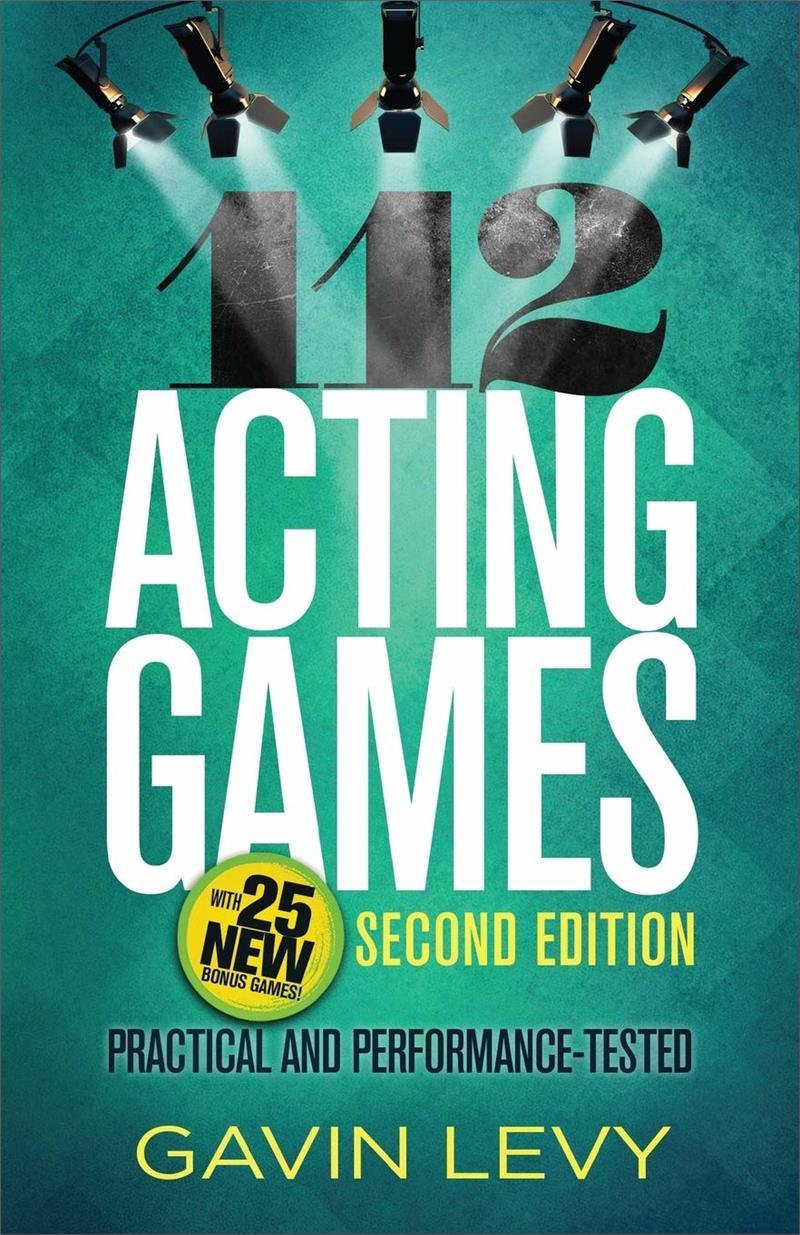
112 Acting Games
Gavin Levy
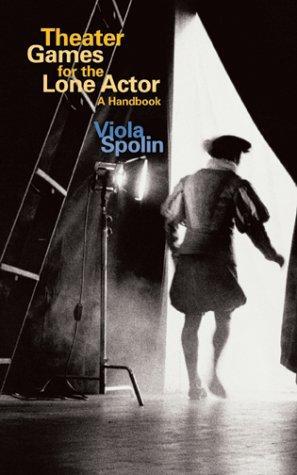
Theater Games for the Lone Actor
Viola Spolin
Theater Games for Rehearsal
Viola Spolin
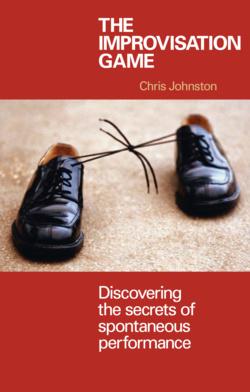
The Improvisation Game
Discovering the Secrets of Spontaneous Performance
Chris Johnston
Related Exercises
Samurai
Samurai is an energetic warm-up exercise in which players stand in a circle and pass an imaginary sword strike to each other using a sharp downward motion and a vocalized sound. The recipient and their two neighbors must react in coordinated unison before the strike is redirected to another player. The exercise builds group energy, physical focus, and responsive ensemble awareness. It exists in multiple versions ranging from circle energy-passing to competitive elimination formats.
Barney
Barney is an energy and movement warm-up exercise in which players adopt an exaggerated, lumbering physical character and interact with the group through simple, playful commands. The exercise asks participants to embody a large, slow, friendly creature (often described as a dinosaur or monster) and move through the space with maximum physical commitment and minimum self-consciousness. The inherent silliness of the character lowers inhibitions quickly, making Barney effective as an early warm-up for groups that are new to physical work or uncomfortable with large physical choices. The exercise builds comfort with exaggerated movement, vocal projection, and the willingness to look ridiculous in front of others, all foundational skills for improv performance.
Trust Exercise
Trust Exercise is an ensemble warm-up in which players practice physical vulnerability and mutual support through structured trust-fall and trust-lift configurations. One player allows their body to be caught, supported, or passed by the group, developing the physical and psychological openness that ensemble ensemble work requires. The exercise builds ensemble cohesion by making reliance on others literal and concrete.
Action Whisper
Action Whisper is a physical telephone exercise in which players stand in a line and pass a performed action from one end to the other without speaking. Each player watches only the person before them and then recreates what they saw for the next person. Distortions accumulate along the chain, showing how physical information transforms through observation alone.
Yipee
Yipee is an energizing warm-up exercise in which players celebrate with exaggerated expressions of joy, shouting the word and accompanying it with full-body physical gestures. The exercise breaks through self-consciousness and establishes a tone of uninhibited play. It is often used to lift group energy after slower, more focused work.
Hello
Hello is a simple greeting exercise in which players practice making contact through the single word "hello," varying their delivery to express different emotions, characters, and relationships. The exercise demonstrates the range of meaning a single word can carry. It builds vocal variety and the ability to communicate intention through tone.
The Lineage
Explore the schools and structures that influenced or evolved from Sock 'Em.
112 Acting Games (Levy)
How to Reference This Page
The Improv Archive. (2026). Sock 'Em. Retrieved September 28, 2026, from https://improvarchive.org/exercises/sock-em
The Improv Archive. "Sock 'Em." The Improv Archive, 2026. https://improvarchive.org/exercises/sock-em.
The Improv Archive. "Sock 'Em." The Improv Archive, 2026, https://improvarchive.org/exercises/sock-em. Accessed September 28, 2026.
The Improv Archive is a systemically maintained repository. The archive itself acts as the corporate author.