Solitaire
Solitaire is a solo performance exercise in which a single performer improvises a complete scene or monologue without any scene partners. The player must populate the world with implied characters, environment, and narrative through their own voice and physicality alone. The exercise develops self-reliance, strong point of view, and the ability to sustain audience engagement independently.
Worth Reading
See all books →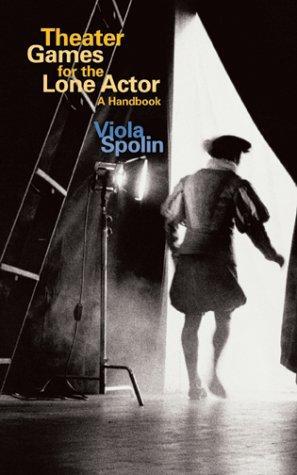
Theater Games for the Lone Actor
Viola Spolin
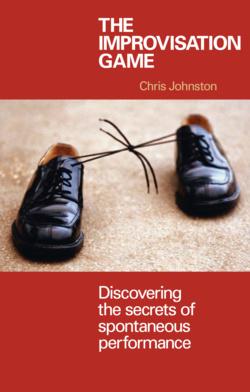
The Improvisation Game
Discovering the Secrets of Spontaneous Performance
Chris Johnston

Group Improvisation
The Manual of Ensemble Improv Games
Peter Campbell Gwinn; Charna Halpern

Action Theater
The Improvisation of Presence
Ruth Zaporah
Theater Games for Rehearsal
Viola Spolin
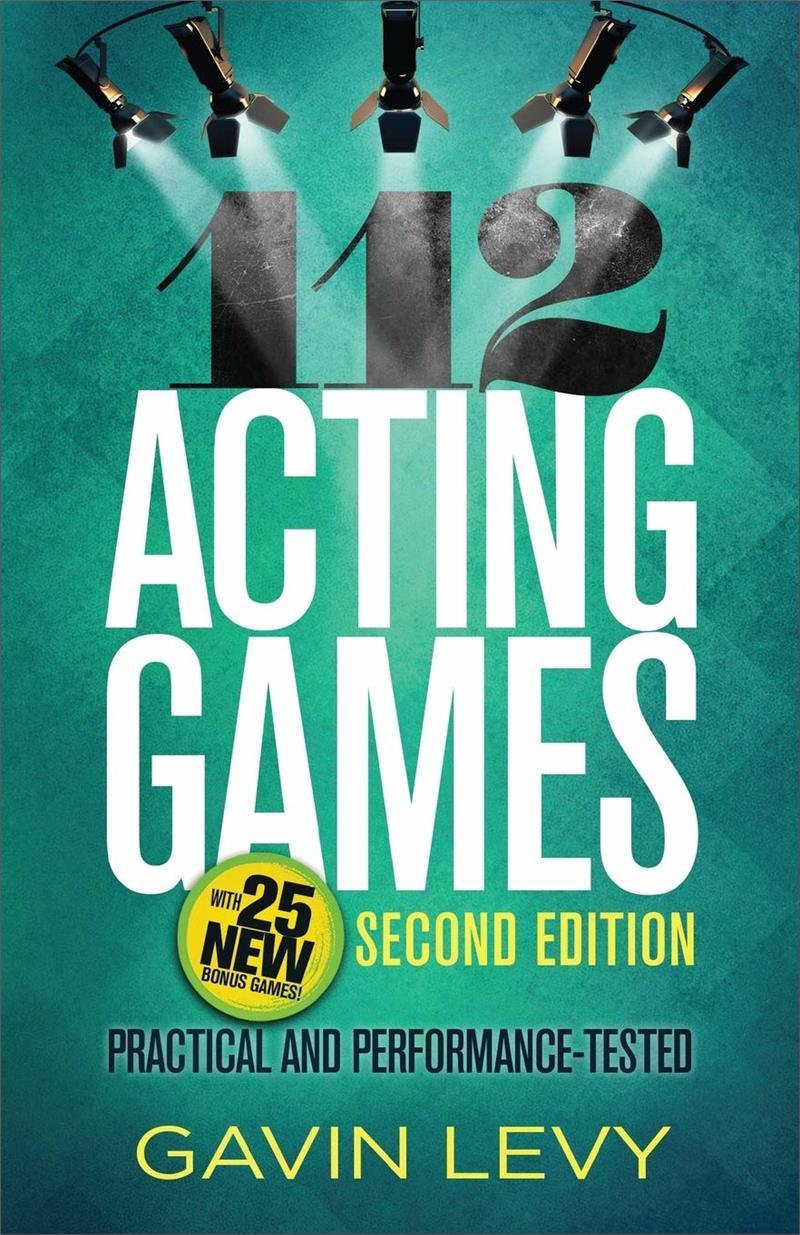
112 Acting Games
Gavin Levy
Related Exercises
Non Sequitor
Non Sequitur is a hybrid game and exercise in which performers deliberately break logical connections between lines of dialogue, forcing each new statement to have no apparent relationship to the one before it. The exercise trains performers to let go of the need to make sense, builds comfort with absurdity, and paradoxically reveals how audiences will construct meaning even from disconnected material.
Shuffle
Shuffle is a physical warm-up exercise in which players mill through the space and must quickly form groups of a called-out number when the facilitator gives the signal. Players who cannot find a complete group in time are eliminated or take a forfeit. The exercise builds physical energy, spatial awareness, and the habit of actively and immediately seeking connection with other players.
Firing Squad
Firing Squad is a scene game in which one performer faces a line of players who rapid-fire questions, challenges, or scene initiations. The solo performer must respond to each without hesitation. The exercise builds resilience under pressure and trains the ability to accept any offer instantly.
Without Sound
Without Sound is a scene exercise in which performers play an entire scene with no vocal output, communicating exclusively through physicality, facial expression, and gesture. The exercise reveals how much of scene work can be conveyed nonverbally and trains performers to make bold, clear physical choices.
Communal Monologue
Communal Monologue is an exercise in which multiple performers deliver a single monologue together, trading off mid-sentence or mid-thought without any performer beginning a new idea. Each speaker must continue seamlessly from where the last one stopped, maintaining the same voice, tone, and thought. The exercise trains verbal listening, agreement, and the construction of a collective voice.
Scene Painting
Scene Painting is an exercise in which performers verbally describe a detailed environment before or during a scene, building the world through spoken imagery rather than relying solely on physical mime. The technique teaches players to create rich, shared spaces that ground the emotional reality of a scene. It is a tool for making improvised worlds more vivid and specific.
How to Reference This Page
The Improv Archive. (2026). Solitaire. Retrieved September 29, 2026, from https://improvarchive.org/exercises/solitaire
The Improv Archive. "Solitaire." The Improv Archive, 2026. https://improvarchive.org/exercises/solitaire.
The Improv Archive. "Solitaire." The Improv Archive, 2026, https://improvarchive.org/exercises/solitaire. Accessed September 29, 2026.
The Improv Archive is a systemically maintained repository. The archive itself acts as the corporate author.