Story String
Story String is a collaborative storytelling exercise in which each performer adds a sentence or beat to a shared narrative, building a continuous story that passes through the entire group. The exercise develops listening, narrative awareness, and the ability to advance rather than redirect a story.
Structure
Setup
Performers stand or sit in a line or circle. The first person begins a story with one or two sentences.
Building the String
Each subsequent performer adds to the story, picking up exactly where the previous person left off. Contributions should advance the narrative rather than introduce entirely new threads. The story passes down the line like a string being extended one knot at a time.
Listening Requirements
Each contributor must track the story's characters, setting, tone, and trajectory. The exercise demands close listening because each addition must connect seamlessly to everything that came before.
Narrative Arc
As the story progresses, the group naturally moves through narrative phases: establishment, complication, rising action, and resolution. The facilitator may side-coach the group toward resolution as the string nears its end.
Completion
The final contributor brings the story to a satisfying conclusion. The group reflects on how the collaborative story developed, noting moments where the narrative flowed smoothly and moments where it shifted unexpectedly.
How to Teach It
Objectives
Story String develops sequential narrative building, active listening, and the discipline of advancing a shared story rather than hijacking it. Performers learn to serve the story that exists rather than the story they want to tell.
How to Explain It
"We are going to build a story together. The first person starts with a sentence or two, then the next person continues. Your job is to advance the story, not start a new one. Listen to everything that came before and keep the thread going."
Scaffolding
Start with a simple prompt such as "Once upon a time" and allow longer contributions of two to three sentences. As the group improves, reduce contributions to single sentences to increase the challenge.
Common Pitfalls
The most common issue is contributors who introduce a completely new storyline rather than building on what exists. The other common problem is contributors who end their segment with "and then they died" or similar story-killing moves that prevent the next person from continuing.
Worth Reading
See all books →
Playing Along
37 Group Learning Activities Borrowed from Improvisational Theater
Izzy Gesell

Improvising Real Life
Personal Story in Playback Theatre
Jo Salas

Drama Games and Improvs
Games for the Classroom and Beyond
Justine Jones; Mary Ann Kelley
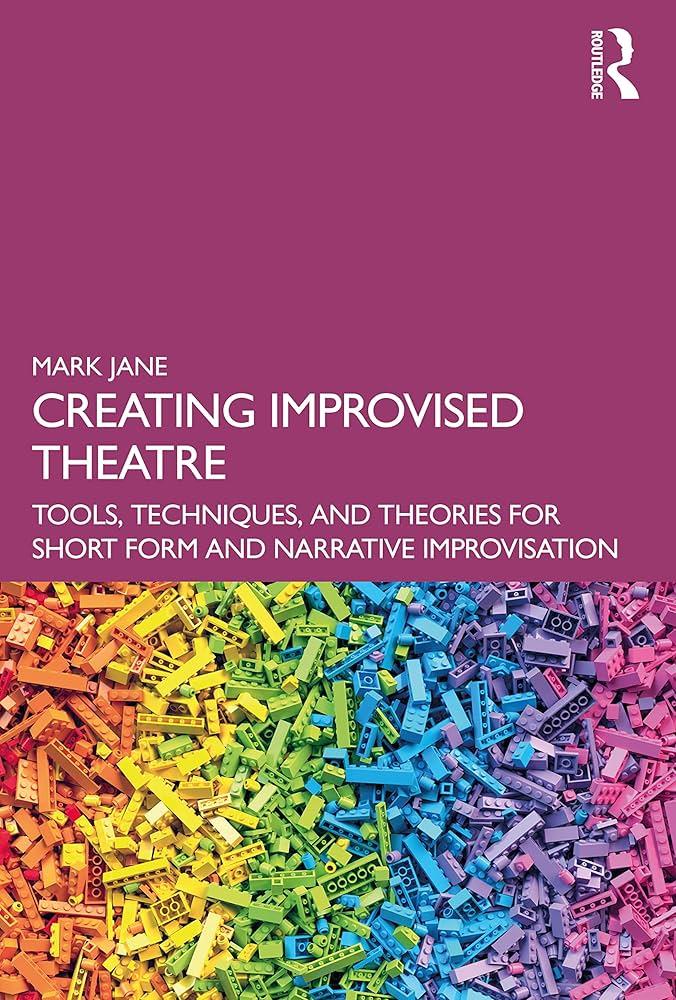
Creating Improvised Theatre
Tools, Techniques, and Theories
Mark Jane
The Improvisation Game
Discovering the Secrets of Spontaneous Performance
Chris Johnston

How to Improvise a Full-Length Play
The Art of Spontaneous Theater
Kenn Adams
Related Exercises
Story Circles
Story Circles is a collaborative storytelling exercise in which small groups sit in circles and build stories together, with each person contributing a segment before passing to the next. The exercise develops listening, narrative awareness, and the ability to build on others' contributions.
Share Your Story
Share Your Story is an applied improvisation exercise in which participants practice crafting and delivering compelling personal narratives using improvisational storytelling techniques. The exercise develops the ability to structure real experiences into engaging stories that connect with listeners.
Story Walk
Story Walk is a collaborative storytelling exercise in which participants tell stories while walking through a space, with the physical journey informing and shaping the narrative. The act of moving together creates a shared rhythm that supports spontaneous, embodied storytelling.
Swedish Story
Swedish Story is a collaborative circle exercise in which participants build a story together, each adding a short segment before passing to the next person. The exercise encourages spontaneous contribution and acceptance of others' narrative directions.
Three Sentence Story
Three Sentence Story is an exercise in which participants construct a complete narrative using exactly three sentences, one person contributing each sentence in sequence. The constraint forces immediate narrative commitment and trains the skill of building a satisfying story arc without the luxury of extended setup.
Object Narrative
Object Narrative is a storytelling exercise in which a participant picks up a physical object and tells a spontaneous story inspired by or centered on that object. The object serves as a concrete anchor for narrative invention, giving the storyteller something tangible to react to rather than generating a story from nothing.
How to Reference This Page
The Improv Archive. (2026). Story String. Retrieved September 28, 2026, from https://improvarchive.org/exercises/story-string
The Improv Archive. "Story String." The Improv Archive, 2026. https://improvarchive.org/exercises/story-string.
The Improv Archive. "Story String." The Improv Archive, 2026, https://improvarchive.org/exercises/story-string. Accessed September 28, 2026.
The Improv Archive is a systemically maintained repository. The archive itself acts as the corporate author.