Story Walk is a collaborative storytelling exercise in which participants tell stories while walking through a space, with the physical journey informing and shaping the narrative. The act of moving together creates a shared rhythm that supports spontaneous, embodied storytelling.
Structure
Setup
Participants walk together through an open space. They may walk as a group or in pairs. The facilitator invites someone to begin telling a story as the group walks.
Walking and Telling
The storyteller narrates while moving. The physical act of walking provides a natural pacing for the narrative. The changing environment, the rhythm of steps, and the shared movement create conditions for spontaneous storytelling.
Passing the Story
After a while, another participant picks up the story and continues it. The transition happens naturally through eye contact, a gesture, or the facilitator calling a switch. The story continues to develop as it passes among walkers.
Environment as Prompt
Participants may allow elements of the physical environment to enter the story. A doorway becomes a threshold the characters cross. A staircase becomes a climb. The story and the walk inform each other.
Completion
The group walks until the story reaches a natural conclusion, then debriefs about how the physical movement affected the storytelling experience.
How to Teach It
Objectives
Story Walk explores the relationship between physical movement and narrative generation. The exercise demonstrates that the body is a resource for storytelling, not just a container for words.
How to Explain It
"We are going to walk together and build a story as we move. Someone will start telling the story and we will pass it around. Let the walking inform the story. The rhythm of your steps, the space around you, all of it is available."
Scaffolding
Start with a solo walk where each person tells themselves a story. Then move to pairs walking and telling together before introducing the full group passing structure.
Common Pitfalls
The most common issue is participants who stop walking when they take over the story, feeling that speaking and moving simultaneously is too much to manage. Encourage them to keep walking even if the story pauses briefly during the transition.
In Applied Settings
Narrative Communication Training
Story Walk helps professionals discover that spontaneous, embodied storytelling produces more vivid and engaging narratives than scripted or prepared presentations. The physical movement bypasses the self-censorship that often produces flat corporate communication.
Retreat and Offsite Facilitation
The exercise works particularly well during outdoor offsites or retreat environments where walking through natural or novel spaces generates unexpected narrative material. The change of environment from the usual workplace produces different kinds of stories.
Facilitation Notes
In professional settings, use Story Walk early in a program to lower the perceived stakes of storytelling. Walking while speaking reduces the performance pressure that many participants feel when asked to tell stories in a static, face-the-group format.
Skills Developed
Worth Reading
See all books →
The Applied Improvisation Mindset
Tools for Transforming Individuals, Organizations, and Communities
Theresa Robbins Dudeck; Caitlin McClure

Playing Along
37 Group Learning Activities Borrowed from Improvisational Theater
Izzy Gesell

Embodied Playwriting
Improv and Acting Exercises for Writing
Hillary Haft Bucs; Charissa Menefee
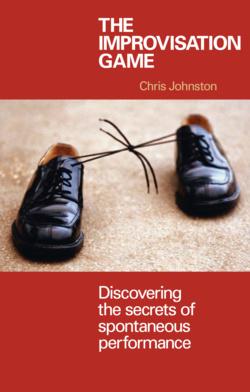
The Improvisation Game
Discovering the Secrets of Spontaneous Performance
Chris Johnston
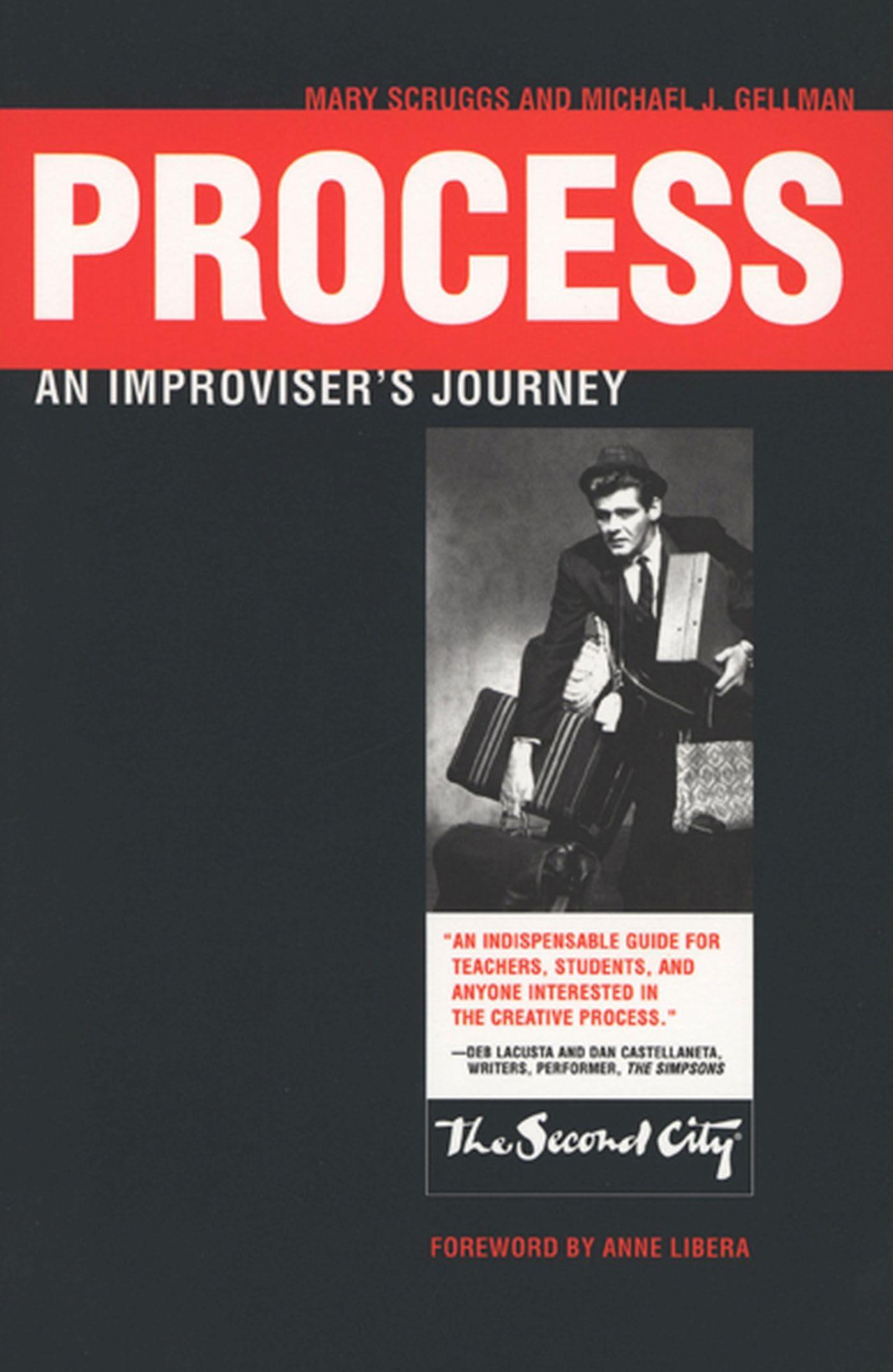
Process: An Improviser's Journey
Mary Scruggs; Michael J. Gellman

How to Improvise a Full-Length Play
The Art of Spontaneous Theater
Kenn Adams
Related Exercises
Moving Stories
Moving Stories is an applied improv exercise in which participants walk through the space while telling or hearing brief personal stories, using physical movement as both a vehicle and an amplifier for the storytelling experience. The combination of movement and narrative generates kinetic engagement, reduces the performative self-consciousness that can arise in seated storytelling, and creates a shared atmosphere of story and motion that lowers the threshold for personal disclosure.
Story Circles
Story Circles is a collaborative storytelling exercise in which small groups sit in circles and build stories together, with each person contributing a segment before passing to the next. The exercise develops listening, narrative awareness, and the ability to build on others' contributions.
Story String
Story String is a collaborative storytelling exercise in which each performer adds a sentence or beat to a shared narrative, building a continuous story that passes through the entire group. The exercise develops listening, narrative awareness, and the ability to advance rather than redirect a story.
Swedish Story
Swedish Story is a collaborative circle exercise in which participants build a story together, each adding a short segment before passing to the next person. The exercise encourages spontaneous contribution and acceptance of others' narrative directions.
Share Your Story
Share Your Story is an applied improvisation exercise in which participants practice crafting and delivering compelling personal narratives using improvisational storytelling techniques. The exercise develops the ability to structure real experiences into engaging stories that connect with listeners.
Object Narrative
Object Narrative is a storytelling exercise in which a participant picks up a physical object and tells a spontaneous story inspired by or centered on that object. The object serves as a concrete anchor for narrative invention, giving the storyteller something tangible to react to rather than generating a story from nothing.
The Lineage
Explore the schools and structures that influenced or evolved from Story Walk.
The Applied Improvisation Mindset (Dudeck & McClure)
How to Reference This Page
The Improv Archive. (2026). Story Walk. Retrieved September 28, 2026, from https://improvarchive.org/exercises/story-walk
The Improv Archive. "Story Walk." The Improv Archive, 2026. https://improvarchive.org/exercises/story-walk.
The Improv Archive. "Story Walk." The Improv Archive, 2026, https://improvarchive.org/exercises/story-walk. Accessed September 28, 2026.
The Improv Archive is a systemically maintained repository. The archive itself acts as the corporate author.