Share Your Story
Share Your Story is an applied improvisation exercise in which participants practice crafting and delivering compelling personal narratives using improvisational storytelling techniques. The exercise develops the ability to structure real experiences into engaging stories that connect with listeners.
Structure
Setup
The facilitator introduces basic storytelling structure: a clear beginning that sets the scene, a middle that contains a challenge or turning point, and an ending that reveals what changed or what was learned. Participants receive a few minutes to identify a personal story they are willing to share.
Story Selection
Participants choose a real experience from their own lives. The story does not need to be dramatic or extraordinary. Everyday moments often produce the most relatable and compelling narratives. The facilitator may provide prompts to help participants identify stories: a time something unexpected happened, a moment that changed a perspective, or a challenge that taught a lesson.
Telling the Story
Participants share their stories with a partner or small group. The facilitator coaches in real time, encouraging specificity over generality, sensory details over abstractions, and emotional honesty over performance. "I was nervous" becomes "My hands were shaking and I kept checking my phone."
Feedback and Iteration
Listeners provide feedback focused on what resonated, what moments felt most vivid, and where they wanted more detail. The storyteller then retells the same story incorporating the feedback. The second version is typically tighter, more vivid, and more emotionally connected.
Group Sharing
Volunteers share their polished stories with the full group. The facilitator highlights techniques that made each story effective: specific details, vulnerability, clear structure, and authentic voice.
How to Teach It
Objectives
Share Your Story develops narrative skills, vulnerability, and the ability to communicate personal experiences in a way that creates connection. It trains participants to find the story within their experience and tell it with clarity and emotional truth.
How to Explain It
"Choose a real story from your life. Tell it to a partner. Focus on specific details, what you saw, heard, and felt. Then listen to feedback and tell it again even better."
Scaffolding
Begin with low-stakes story prompts that do not require deep vulnerability: a funny travel mishap, an unexpected encounter, or a childhood memory. Build toward more meaningful stories as trust develops within the group. Provide the storytelling structure explicitly so participants have a framework to follow.
Common Pitfalls
Participants sometimes summarize rather than tell a story, reporting events at a distance rather than bringing the listener into the moment. The facilitator should coach toward present-tense narration and specific sensory detail. Another challenge is participants who feel their stories are not interesting enough. Emphasizing that universal connection comes from specificity rather than drama helps overcome this barrier.
In Applied Settings
Corporate and Professional Applications
Storytelling is a core leadership communication skill. This exercise helps professionals craft narratives for presentations, pitches, and team communications. Leaders who can share personal stories authentically build trust and engagement more effectively than those who rely solely on data and bullet points.
Sales and Client Relations
Sales professionals use the techniques from this exercise to build rapport through authentic personal narratives and to structure client case studies as compelling stories rather than dry reports.
Team Building
Sharing personal stories within teams builds psychological safety and interpersonal connection. Teams that know each other's stories collaborate more effectively and extend greater trust during challenging projects.
Skills Developed
Worth Reading
See all books →
Business Improv
Experiential Learning Exercises to Train Employees
Val Gee
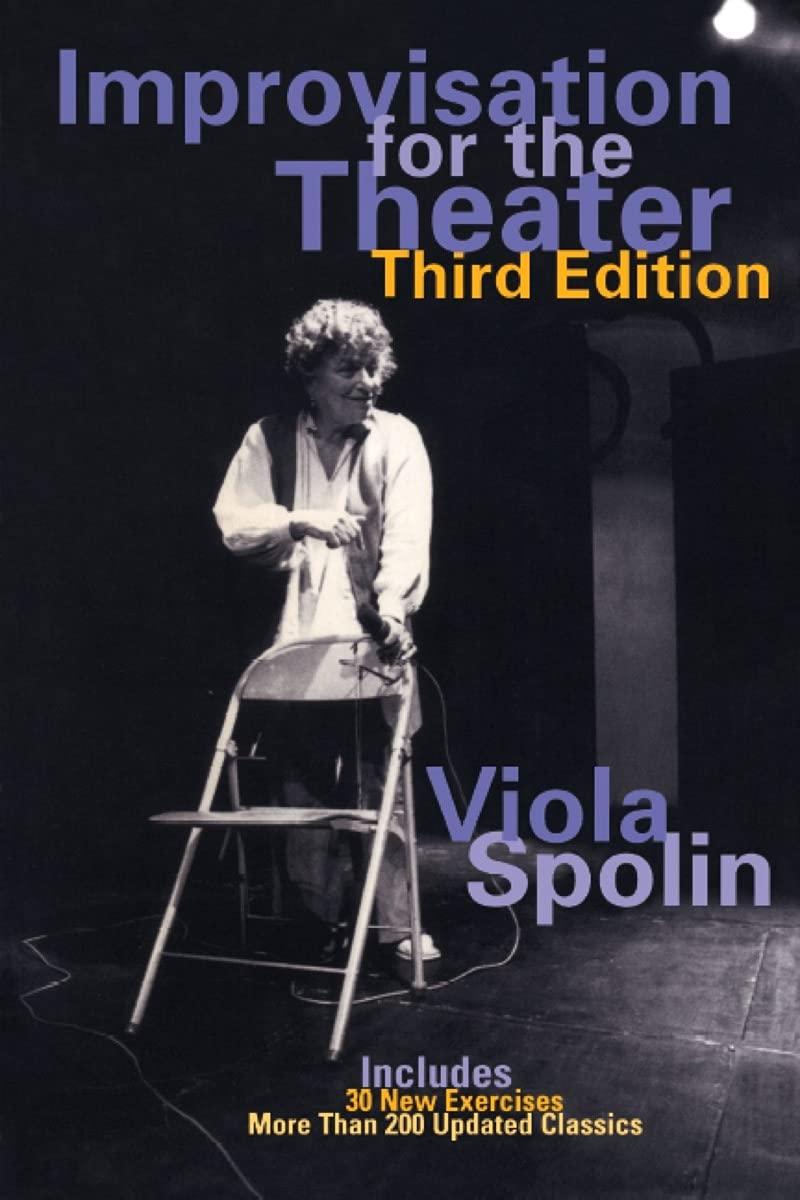
Improvisation for the Theater
A Handbook of Teaching and Directing Techniques
Viola Spolin

Embodied Playwriting
Improv and Acting Exercises for Writing
Hillary Haft Bucs; Charissa Menefee

Applied Improvisation
Leading, Collaborating, and Creating Beyond the Theatre
Theresa Robbins Dudeck; Caitlin McClure

Improvising Real Life
Personal Story in Playback Theatre
Jo Salas

Playing Along
37 Group Learning Activities Borrowed from Improvisational Theater
Izzy Gesell
Related Exercises
Story String
Story String is a collaborative storytelling exercise in which each performer adds a sentence or beat to a shared narrative, building a continuous story that passes through the entire group. The exercise develops listening, narrative awareness, and the ability to advance rather than redirect a story.
Story Circles
Story Circles is a collaborative storytelling exercise in which small groups sit in circles and build stories together, with each person contributing a segment before passing to the next. The exercise develops listening, narrative awareness, and the ability to build on others' contributions.
Picture Story
Picture Story is an applied improvisation exercise in which participants create and share stories inspired by images. Players receive a photograph, illustration, or abstract image and must construct a narrative from what they see, developing the ability to find story in unexpected places and communicate ideas through vivid description.
Meal
Meal is an applied improv exercise structured around the experience of sharing a meal -- real or imagined -- as a vehicle for group connection, honest conversation, and collaborative presence. The exercise uses the social ritual of eating together as a framework for lowering defensive barriers, encouraging personal disclosure, and building the interpersonal familiarity that applied improv programs often need to establish quickly at the start of a workshop or retreat.
Story Walk
Story Walk is a collaborative storytelling exercise in which participants tell stories while walking through a space, with the physical journey informing and shaping the narrative. The act of moving together creates a shared rhythm that supports spontaneous, embodied storytelling.
Moving Stories
Moving Stories is an applied improv exercise in which participants walk through the space while telling or hearing brief personal stories, using physical movement as both a vehicle and an amplifier for the storytelling experience. The combination of movement and narrative generates kinetic engagement, reduces the performative self-consciousness that can arise in seated storytelling, and creates a shared atmosphere of story and motion that lowers the threshold for personal disclosure.
The Lineage
Explore the schools and structures that influenced or evolved from Share Your Story.
Business Improv (Gee & Gee)
How to Reference This Page
The Improv Archive. (2026). Share Your Story. Retrieved September 28, 2026, from https://improvarchive.org/exercises/share-your-story
The Improv Archive. "Share Your Story." The Improv Archive, 2026. https://improvarchive.org/exercises/share-your-story.
The Improv Archive. "Share Your Story." The Improv Archive, 2026, https://improvarchive.org/exercises/share-your-story. Accessed September 28, 2026.
The Improv Archive is a systemically maintained repository. The archive itself acts as the corporate author.