5 Rush In
5 Rush In is a short-form game in which five players enter a scene one at a time, each adding a new character or complication. The escalating additions create mounting chaos and comedic density. The game tests players' ability to build on existing offers while contributing something distinct.
Structure
Setup
- A scene begins with one or two performers in the playing space.
- Five players are staged outside the playing area, ready to enter.
- An audience suggestion establishes the initial scene situation.
The Rush-In Structure
- At specific intervals or on a signal, one additional player enters the scene.
- Each new player brings a new character, relationship, or complication.
- By the fifth entry, the scene is fully populated.
- The game tests whether performers can build a scene that scales from intimate to crowded without losing coherence.
What Each Entry Must Do
- The entering player must have a clear character identity and a clear relationship to the existing scene.
- Each entry should raise the stakes, complicate the situation, or add a new dimension to what is already established.
- Entries that merely add more people without adding new information do not serve the game.
Managing the Crowd
- As more players enter, the scene must remain organized. The core relationship or situation established at the beginning should still be legible.
- Performers already in the scene must acknowledge and incorporate each new player, not ignore them.
Variations
- Players rush in simultaneously rather than in sequence, creating an immediate crowd situation.
- The five players have a shared secret that the initial performers do not know.
How to Teach It
How to Explain It
"Each time someone enters, the scene gets more complicated. Who are you? Why are you here? What does your arrival mean for everyone already in the room? Each new person changes the situation. By the time the fifth person enters, everything has shifted."
Common Notes
- The entering players should commit to their character before entering. Entering with uncertainty forces the scene to establish the new character instead of letting the new character establish themselves.
- The initial performers bear responsibility for receiving each new player and integrating them. Ignoring new entries collapses the scene logic.
- The game escalates. The fifth entry should feel more significant than the first.
Common Pitfalls
- Each new entry resets the scene rather than building on it. Scenes that keep restarting under the pressure of new arrivals never build.
- Entering players copy or duplicate characters already in the scene. Each entry should add something genuinely new.
- The scene becomes physically crowded and the performers cannot find their positions within the chaos.
How to Perform It
Audience Intro
"We're going to start with just [one or two] performers in this scene. But that's not going to stay that way for long. Give us a starting situation. Then we'll see what happens when more and more people arrive."
Cast Size
- Ideal: Seven performers: two in the initial scene, five waiting to enter.
Staging
- The waiting players stand visibly at the edge of the playing space, signaling to the audience that they are coming.
- Clear entry points help the audience track each new arrival.
Wrap Logic
- The game ends when all five players have entered and the scene has reached a peak moment that uses the full ensemble.
Worth Reading
See all books →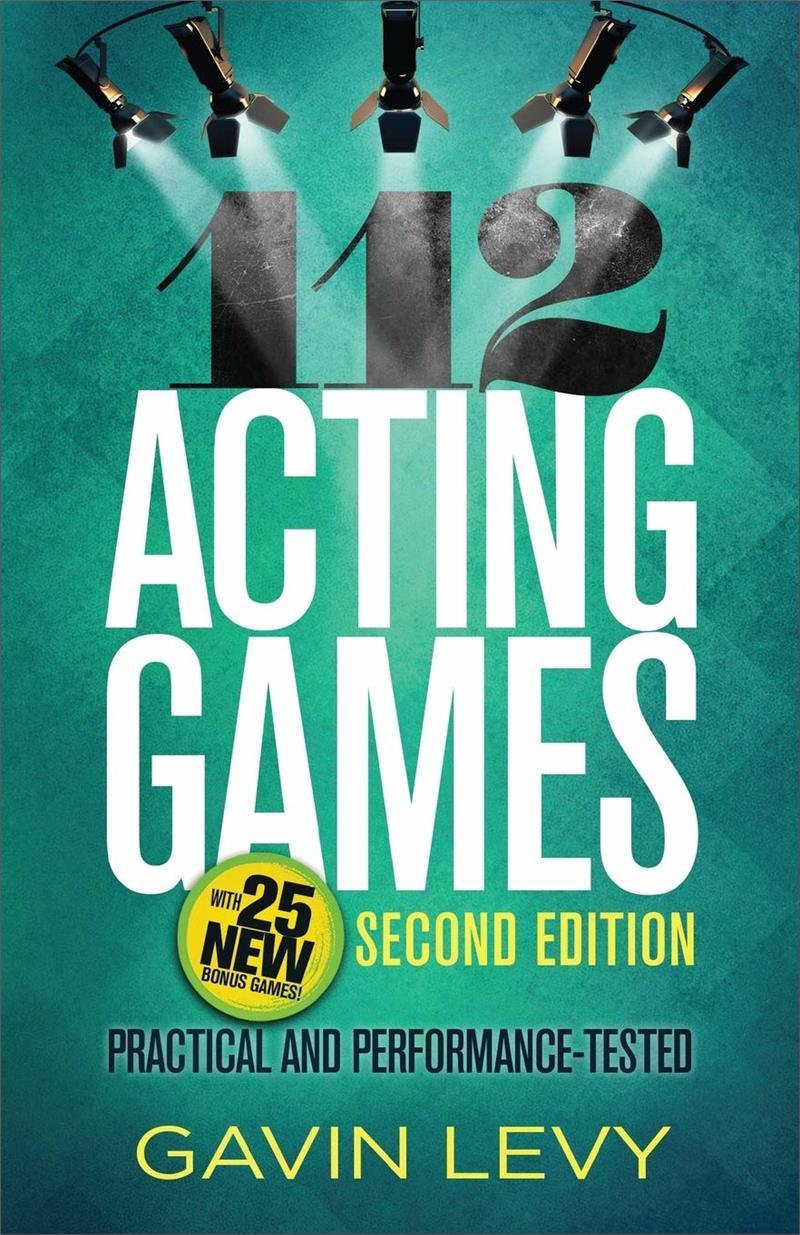
112 Acting Games
Gavin Levy

Theater Games for Rehearsal
Viola Spolin

The 5 Elements of Improv
How to Take Your Improv to the Next Level
Andrew M. Spragge; Karen L. Eichler
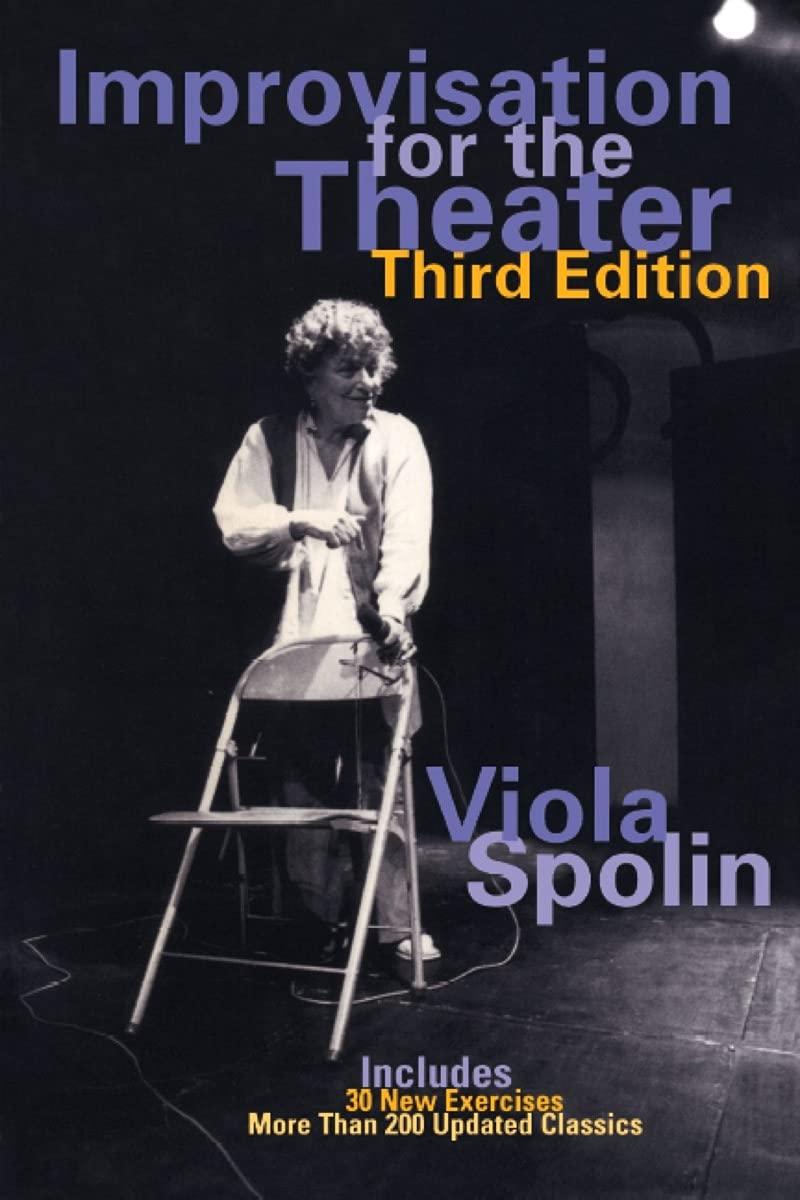
Improvisation for the Theater
A Handbook of Teaching and Directing Techniques
Viola Spolin

The Improvisation Game
Discovering the Secrets of Spontaneous Performance
Chris Johnston
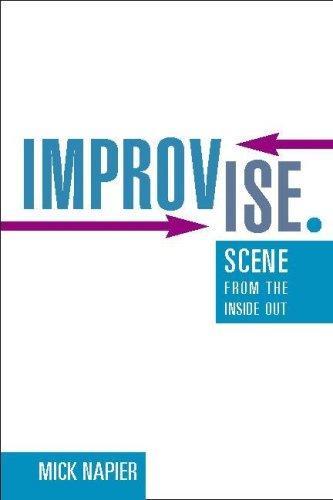
Improvise
Scene from the Inside Out
Mick Napier
Related Games
Five Rush In
Five Rush In is a short-form game in which five players enter a scene one at a time, each adding a new character who changes the dynamic of the scene. Each arrival shifts the established relationships, introduces a new complication, or transforms the scene's world. The progressive accumulation of characters creates a compounding comedic engine as each new presence disrupts whatever equilibrium was forming among the players already onstage.
Five Titles
Five Titles is a short-form game in which the cast generates five scene titles from an audience suggestion and then performs each title as a brief, complete scene. The titles are created collectively and posted visibly before any scenes are played. The game rewards rapid creative synthesis, the ability to find a complete scene inside a single phrase, and the audience's pleasure of watching titles they helped create become real.
Doors
Doors is a scene game in which performers enter and exit through imagined doors, with each entrance bringing a new character, revelation, or complication. The physical act of entering through a door heightens the theatrical convention and gives each new addition a clear punctuation. The game rewards strong entrance choices and the ability to build on what has already been established.
How to Reference This Page
The Improv Archive. (2026). 5 Rush In. Retrieved September 29, 2026, from https://improvarchive.org/games/5-rush-in
The Improv Archive. "5 Rush In." The Improv Archive, 2026. https://improvarchive.org/games/5-rush-in.
The Improv Archive. "5 Rush In." The Improv Archive, 2026, https://improvarchive.org/games/5-rush-in. Accessed September 29, 2026.
The Improv Archive is a systemically maintained repository. The archive itself acts as the corporate author.