Doors
Doors is a scene game in which performers enter and exit through imagined doors, with each entrance bringing a new character, revelation, or complication. The physical act of entering through a door heightens the theatrical convention and gives each new addition a clear punctuation. The game rewards strong entrance choices and the ability to build on what has already been established.
Structure
Setup
- A scene is established with two or more performers in a defined playing space.
- One or more imagined doors are located at the edges of the space: each door is assigned a position and the performers commit to it.
- An audience suggestion or premise establishes the scene.
The Door Convention
- Each time a performer enters through a door, they must bring something specific to the scene: a new relationship, a piece of information, a complication, or a shift in status.
- The physical act of opening and passing through the door marks the moment of entry clearly, giving the audience a theatrical punctuation point.
- Exits through a door should also feel purposeful: a character who has served their function exits. A character who lingers without contribution clutters the scene.
How the Scene Builds
- The scene begins with the people already in the space.
- New entrances through doors bring escalating complications, reversals, or new information.
- The game rewards the ability to calibrate each new entrance: too much change with each door collapses the scene; too little makes the doors irrelevant.
Variations
- Each door leads to a different world or circumstance: opening one door changes the scene setting.
- Multiple doors have different assigned qualities: one door brings complications, another brings solutions.
- The game is run with physical door frames constructed from chairs or other props.
How to Teach It
How to Explain It
"Every entrance through a door is a deliberate choice. When you come through that door, you know who you are, you know why you are here, and you know what effect you intend to have on this scene. Use the door. Don't slip in through the edge of the stage."
Common Notes
- Coach the difference between an entrance that serves the scene and an entrance that serves the performer. A new character who enters with a premise that ignores what the scene has built is not serving the scene.
- The doors create theatrical convention. When performers treat them casually, the convention collapses and scenes lose their structure.
- Exits matter as much as entrances. A character who does not know when to exit keeps the scene from moving forward.
Common Pitfalls
- Performers enter without a clear offer. Standing in the doorway waiting for the scene to define them wastes the entrance and confuses the scene.
- Too many characters arrive through the doors too quickly, fragmenting the scene before any relationship has time to develop.
- The doors become props rather than conventions: performers focus on the physical action of entering rather than the dramatic purpose of the entrance.
How to Perform It
Audience Intro
"In this game, every time someone comes through one of these doors, something changes. The characters already in the scene don't know who or what is about to arrive. Give us a setting for our scene."
Cast Size
- Ideal: Three to five performers.
- A clearly designated host is optional but helps pace the flow of entrances.
Staging
- Define door positions clearly before the scene begins.
- Tape on the floor or chairs serving as door frames help performers and the audience track where the doors are.
Wrap Logic
- The scene ends when the accumulated entrances have built to a satisfying resolution or when a button lands organically.
Worth Reading
See all books →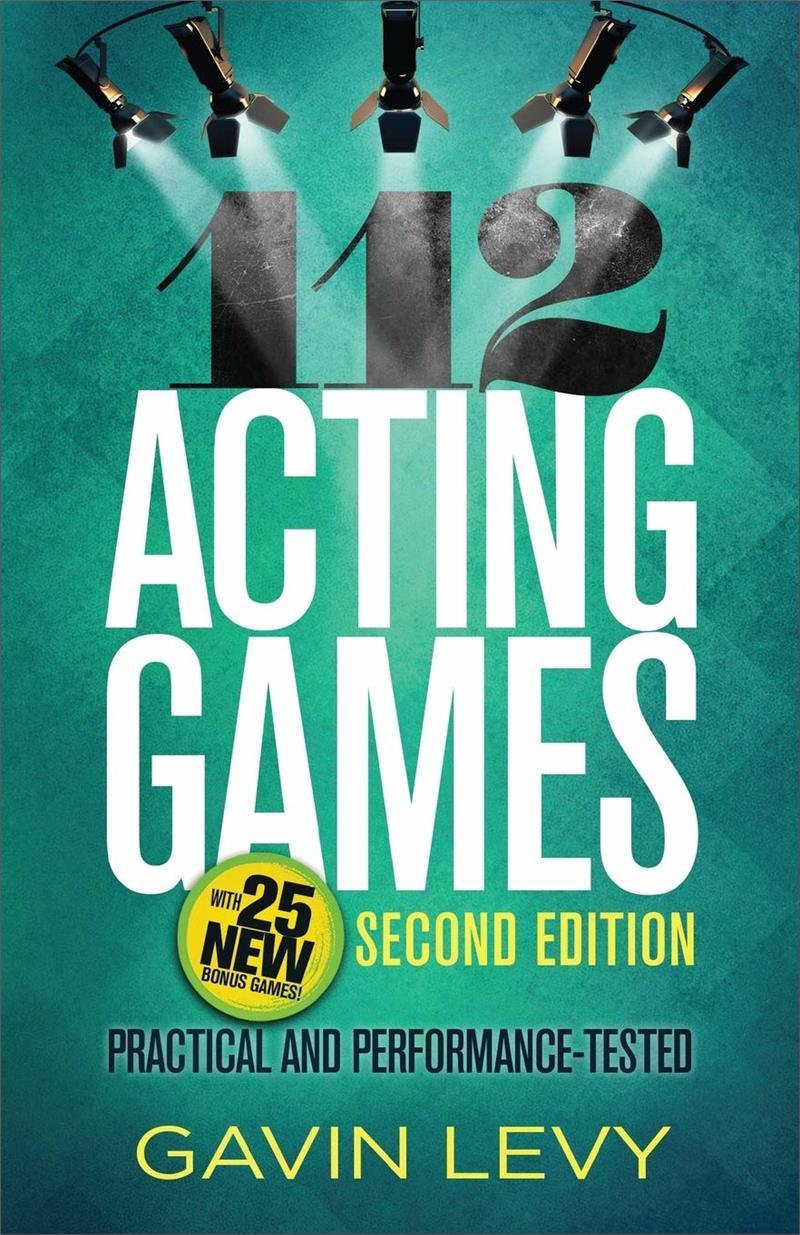
112 Acting Games
Gavin Levy
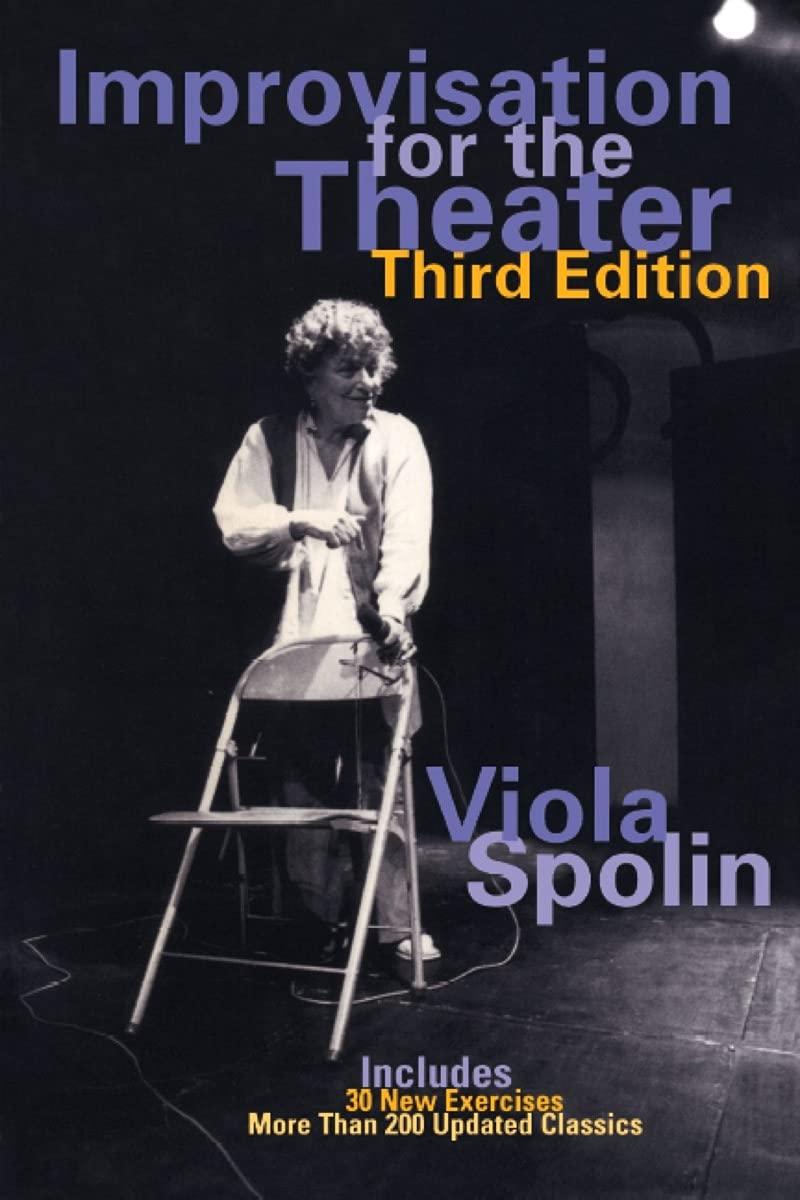
Improvisation for the Theater
A Handbook of Teaching and Directing Techniques
Viola Spolin
Theater Games for Rehearsal
Viola Spolin

The Young Actor's Book of Improvisation
Dramatic Situations
Sandra Caruso; Susan Kosoff

The Improvisation Game
Discovering the Secrets of Spontaneous Performance
Chris Johnston
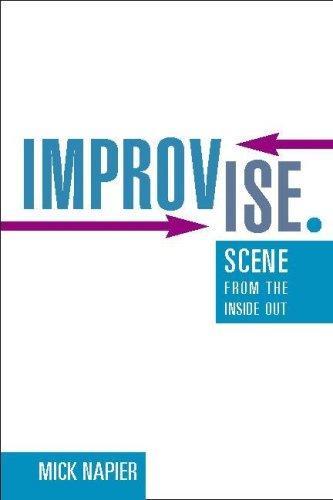
Improvise
Scene from the Inside Out
Mick Napier
Related Games
Solo Doors
Solo Doors is a game in which a single performer faces multiple doors, each representing a different scene, character, or situation. As the host or audience calls out a door number, the performer must instantly switch between the distinct worlds behind each door.
Exit Game
Exit Game is a short-form scene game in which the last performer to leave the stage at the end of the round wins. The game creates a comedic standoff: performers must find any justification within the scene -- narrative, emotional, physical -- for staying onstage after their scene partners have exited. The longer they remain, the more the justification must escalate. The game rewards commitment to character logic and inventive scene construction.
How to Reference This Page
The Improv Archive. (2026). Doors. Retrieved September 28, 2026, from https://improvarchive.org/games/doors
The Improv Archive. "Doors." The Improv Archive, 2026. https://improvarchive.org/games/doors.
The Improv Archive. "Doors." The Improv Archive, 2026, https://improvarchive.org/games/doors. Accessed September 28, 2026.
The Improv Archive is a systemically maintained repository. The archive itself acts as the corporate author.