Alter Ego is a short-form scene game in which each main character has a second performer standing directly behind them who voices the character's inner thoughts. Two players perform a scene with dialogue and action while their respective alter egos narrate the unspoken subtext: desires, fears, judgments, and contradictions that the characters would never say aloud. The contrast between what a character says publicly and what they actually think generates natural comedy and dramatic irony. The game highlights the role of subtext in scene work and rewards performers who create clear, exploitable gaps between surface behavior and true feelings. Alter Ego appears across multiple improv traditions and is documented in Andy Goldberg's Improv Comedy among other sources.
Structure
Four performers take the stage, arranged in two pairs. Each pair consists of one player standing downstage as the main character and another standing directly behind as the alter ego. The host or players establish a scene premise, typically a relationship or situation with inherent social tension: a first date, a job interview, a confrontation between friends, or a family gathering.
The downstage players perform the scene through normal dialogue and behavior. At any point, either alter ego can step forward or tap the shoulder of their character to interject the inner monologue. When an alter ego speaks, the main characters freeze. The alter ego delivers the character's true thoughts, then steps back, and the scene resumes.
The comedy escalates as the gap between spoken dialogue and inner thoughts widens. A character who outwardly agrees to a plan while their alter ego reveals seething resentment creates a running tension the audience tracks throughout the scene.
The game can also be played with a host or caller who signals when the alter egos speak, alternating between public dialogue and private thoughts at dramatically effective moments. The scene concludes with a blackout, often timed to land on a particularly revealing alter ego moment.
How to Teach It
How to Explain It
"Two players per character: the person out front and the person directly behind them. The person out front speaks the character's words. The person behind speaks the character's real thoughts. You can hear what they say and what they think at the same time."
Alter Ego is an excellent exercise for teaching subtext, a skill that many beginning improvisers struggle to access. The game externalizes the inner monologue, making the concept of subtext visible and audible rather than abstract.
Start by having students identify scenes where characters think differently from what they say: social situations with stakes, politeness conventions, or power imbalances. These scenarios produce the richest material for the game.
Coach alter ego players to avoid simply narrating what the character does. The alter ego should reveal what the character wants, fears, or judges. The most useful coaching prompt is: "What does this character want that they would never admit?"
A common failure mode occurs when alter egos become stand-up comedians, cracking jokes to the audience rather than voicing genuine inner thoughts. Redirect these players toward emotional truth. The comedy should emerge from the contrast between the two voices, not from the alter ego trying to be funny independently.
For beginning groups, start with just one character having an alter ego. This simplifies the game and allows the class to focus on the technique before adding the complexity of two simultaneous inner monologues.
The exercise translates well to actor training beyond improv. The alter ego technique helps actors identify and articulate the subtext of scripted scenes, making it a useful bridge between improv training and text-based performance.
How to Perform It
The game requires four performers: two scene players and two alter egos. Each alter ego must closely track their character's emotional state and behavioral choices to provide inner thoughts that feel authentic rather than random.
The most effective alter ego contributions contradict the surface behavior of the character. When the character appears calm and agreeable, the alter ego should reveal anxiety, irritation, or scheming beneath the surface. Simple agreement between character and alter ego wastes the game's potential.
Timing matters. Alter ego interjections work best at moments of social tension: after a compliment that might be backhanded, during an awkward pause, or immediately following a lie. The pause created by the alter ego interjection heightens the audience's awareness of the subtext.
The downstage players must listen to what their alter egos say and allow it to subtly influence their subsequent behavior. When an alter ego reveals jealousy, the character's next line should carry a trace of that jealousy, creating a layered performance that rewards attentive audience members.
Physical staging matters. Alter egos should remain still and neutral when not speaking to avoid distracting from the scene. When they step forward to speak, a slight physical shift, such as leaning in conspiratorially toward the audience, signals the transition clearly.
Worth Reading
See all books →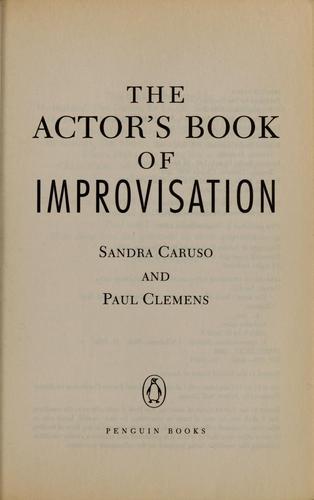
The Actor's Book of Improvisation
Sandra Caruso; Paul Clemens

Mask Improvisation for Actor Training and Performance
the compelling image
Sears A. Eldredge

Improv Nation
How We Made a Great American Art
Sam Wasson

Improv Comedy (20th Anniversary Edition)
Andy Goldberg
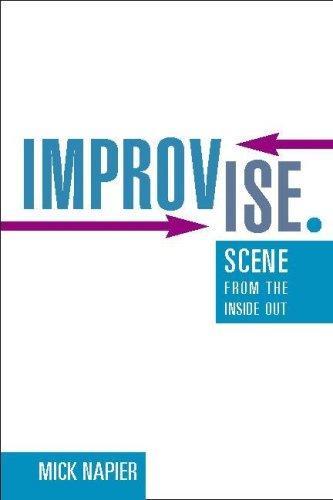
Improvise
Scene from the Inside Out
Mick Napier
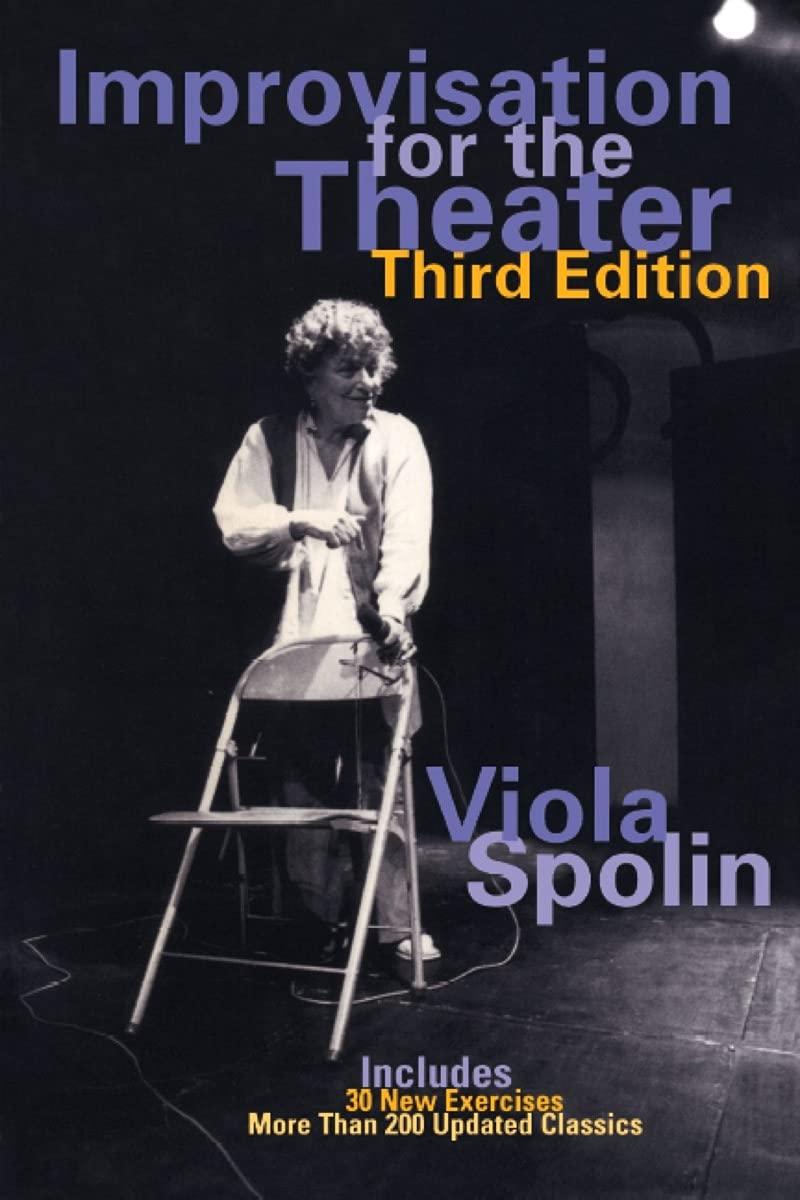
Improvisation for the Theater
A Handbook of Teaching and Directing Techniques
Viola Spolin
Related Games
Little Voice
Little Voice is a scene game in which one performer provides a running internal monologue for another performer's character, speaking the private thoughts aloud while the character plays the scene with a different outward presentation. The technique adds psychological depth by externalizing what the character would never say. The gap between the inner voice and the outer behavior creates comedy, dramatic irony, and character complexity. The game trains performers to play with subtext and demonstrates how much scene work depends on the difference between what characters think and what they reveal.
Asides
Asides is a scene technique game in which performers periodically break from the action to address the audience directly with their character's private thoughts. Borrowed from theatrical convention dating back to Shakespeare and the Restoration comedy tradition, the aside allows a character to reveal inner monologue, secret motives, or contradictory feelings while other characters on stage cannot hear what is said. In improv, the technique layers subtext over surface dialogue, creating dramatic irony and comedy through the gap between what characters say to each other and what they confide to the audience. The game trains performers to maintain dual awareness of both the scene and the audience, and to develop rich inner lives for their characters that extend beyond spoken dialogue.
Dubbing
Dubbing is a performance game in which one performer provides the physical actions for a character while a separate performer supplies that character's voice from offstage or from behind. The deliberate separation of voice and body creates inherent comedy as the two performers attempt to synchronize, producing a character that appears to have a mind of its own. Dubbing trains complementary skills: the body performer must generate clear, readable physical actions, while the voice performer must interpret and justify those movements through dialogue. The game appears across many short-form formats and is one of the most audience-accessible improv games due to its immediately visible comic mechanism.
Evil Twin
Evil Twin is a scene game in which one performer plays two roles simultaneously: a character in a scene and that character's villainous, morally inverted double. The evil twin appears at unexpected moments, contradicting the character's stated values, undermining their relationships, or pursuing secretly sinister goals. The game creates comedy through the performer's physical and vocal differentiation between the two versions and the tension between the character the world sees and the one underneath.
Actor Switch
## Actor Switch: Content Actor Switch is a foundational improv structure, frequently utilized as both a game and an exercise. It centers on the rapid and unexpected exchange of character traits or roles between performers. The core mechanic involves one player initiating a switch by verbally or physically signaling another player to adopt a specific characteristic, emotion, or even a complete persona from the initiating player. This creates a dynamic shift in the scene, demanding adaptability and responsiveness from all involved. The origins of Actor Switch, like many early improv games, are challenging to definitively trace. It likely evolves organically within the burgeoning Chicago improv scene of the 1960s and 70s, drawing from techniques explored by Second City and Del Close. No single individual receives credit for its invention, but its consistent presence in improv training materials suggests early adoption and subsequent refinement by numerous practitioners. It serves as a crucial tool for developing active listening and quick thinking. To execute Actor Switch, a scene begins as usual, with performers establishing a baseline scenario. At any point, a player can declare "Actor Switch!" and then specify the element to be transferred, for example, "Actor Switch: Your frustration!" The targeted player immediately embodies that element, integrating it into their existing character or behavior. This process repeats, with players continually switching elements, creating a layered and unpredictable performance. The goal is not necessarily to create a coherent narrative, but to explore the possibilities of character and reaction. Actor Switch offers several benefits. It encourages performers to observe and react to their scene partners, fostering a heightened sense of ensemble awareness. The rapid shifts challenge performers to abandon preconceived notions and embrace spontaneity. Ultimately, Actor Switch cultivates a playful and dynamic approach to improvisational storytelling.
How to Reference This Page
The Improv Archive. (2026). Alter Ego. Retrieved September 28, 2026, from https://improvarchive.org/games/alter-ego
The Improv Archive. "Alter Ego." The Improv Archive, 2026. https://improvarchive.org/games/alter-ego.
The Improv Archive. "Alter Ego." The Improv Archive, 2026, https://improvarchive.org/games/alter-ego. Accessed September 28, 2026.
The Improv Archive is a systemically maintained repository. The archive itself acts as the corporate author.