Id is a scene game in which a performer's unfiltered subconscious desires are voiced by a second player, creating a running commentary of primal wants beneath the surface dialogue. The tension between polite conversation and raw impulse generates comedy and dramatic irony. The game highlights the gap between social behavior and inner life.
Structure
Setup
- One performer plays the main character in a scene.
- A second performer stands just behind or beside them and voices that character's unfiltered inner desires, impulses, and wants : the id.
- A third performer (optional) plays the scene partner.
The Two Voices
- The character speaks and behaves with social appropriateness: polite, measured, restrained.
- The id speaks everything the character suppresses: raw want, petty impulse, embarrassing honesty, primal drive.
- The id may speak quietly or loudly; the main character cannot hear it. The audience can.
How the Scene Works
- The scene proceeds as normal dialogue between the character and their scene partner.
- The id interjects in the gaps between the character's lines, in the pauses, and in the moments of transition, naming what the character is actually feeling beneath the social surface.
- The tension between what is said and what is felt generates the comedy and the drama of the game.
- The scene partner reacts only to what the character says and does, not to the id.
Pacing
- The id should speak only when there is something underneath to voice. An id that fills every silence becomes noise.
- The most effective id moments arrive at the points of maximum social restraint: the polite professional conversation, the first date, the family dinner.
How to Teach It
How to Explain It
"You are playing the inside of this person's head. Everything they're too polite, too professional, or too scared to say out loud : that's you. You are what they want. You are what they actually think. They can't hear you. We can."
Common Notes
- The id's observations should feel true to the character, not like random statements. The id is the character's actual inner life, not a heckler from outside.
- The id player should find the gap between social appropriateness and genuine desire specific to this character in this scene, not apply generic impulses.
- The scene performer must resist reacting to the id. If they respond to what the id says, the game's premise collapses.
Common Pitfalls
- The id speaks too frequently and the scene performer cannot get through a line. The id should punctuate, not interrupt continuously.
- The id says things that have no connection to what the character is actually doing. The id's observations must be rooted in what the scene is generating.
- The scene has no social stakes. The game needs a situation where social restraint is actually required. An id with nothing to restrain has nothing to play.
How to Perform It
Audience Intro
"We're going to see inside someone's head tonight. [Name] is going to play a character having a perfectly normal conversation : but [partner name] is going to voice exactly what they're really thinking and wanting the whole time. The character can't hear it. We can. Give us a situation."
Cast Size
- Ideal: Three performers: main character, id, and scene partner.
- The game can work with two performers if the same player serves as both scene partner and id, but this requires more technical skill.
Staging
- The id player stands slightly behind or beside the main character, within easy speaking distance but visually separated enough for the audience to track who is speaking.
- The id should not move around the stage; they are anchored to the character.
Wrap Logic
- The scene ends when the main character says or does the thing the id has been voicing all along, or when a clear button lands.
Worth Reading
See all books →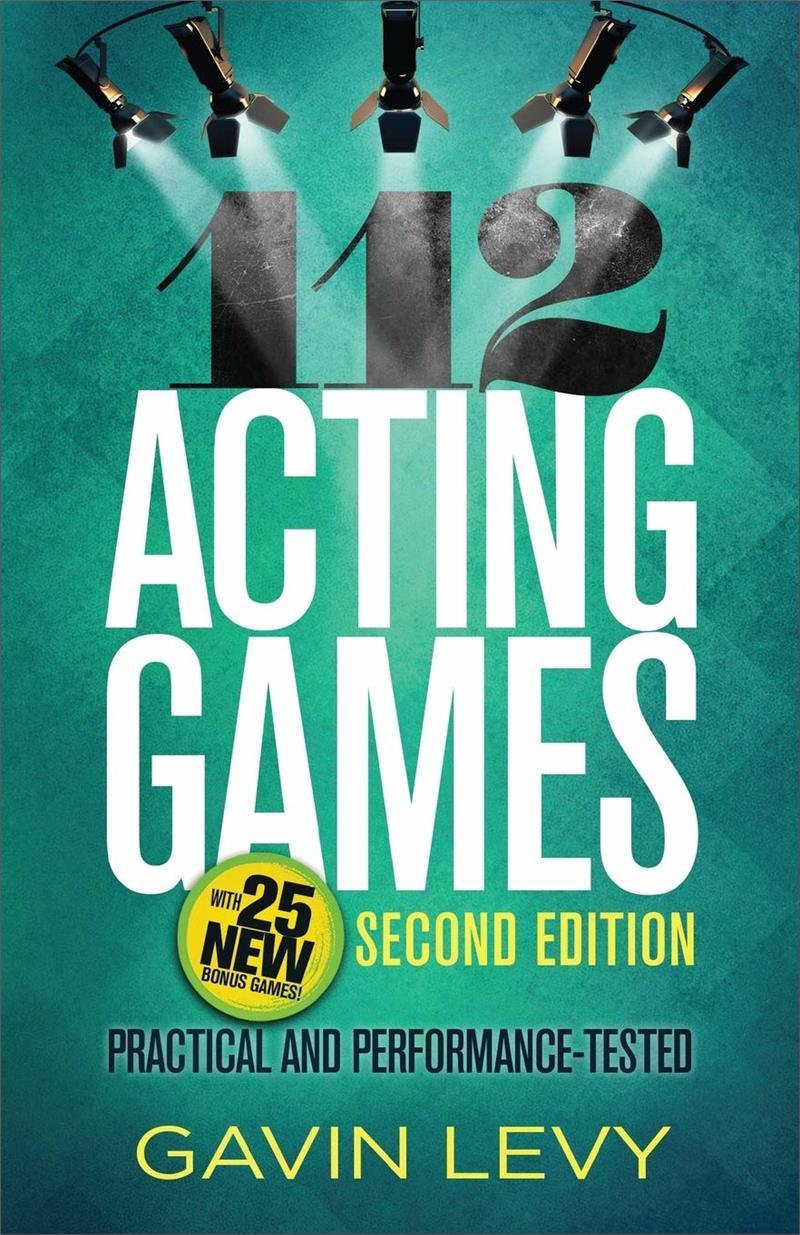
112 Acting Games
Gavin Levy

The Improvisation Game
Discovering the Secrets of Spontaneous Performance
Chris Johnston

Theater Games for Rehearsal
Viola Spolin
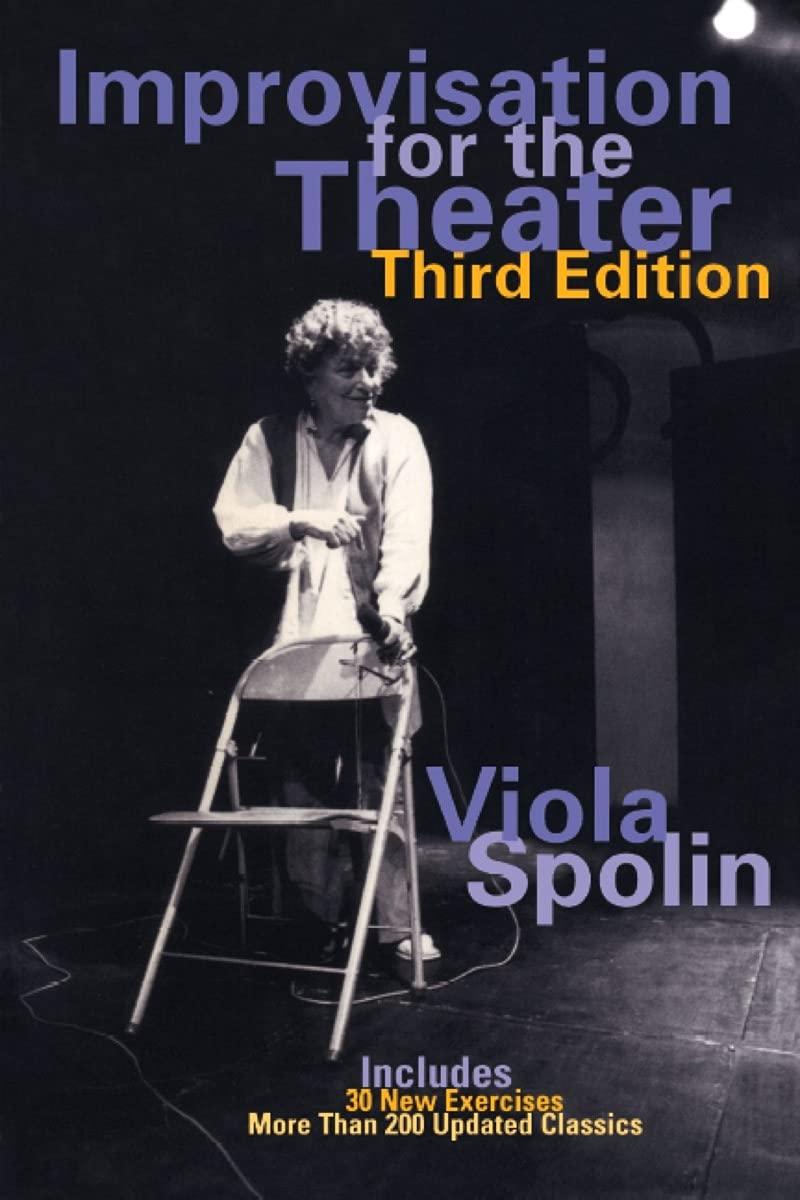
Improvisation for the Theater
A Handbook of Teaching and Directing Techniques
Viola Spolin

Drama Games and Improvs
Games for the Classroom and Beyond
Justine Jones; Mary Ann Kelley

The Young Actor's Book of Improvisation
Dramatic Situations
Sandra Caruso; Susan Kosoff
Related Games
The Party
The Party is an improvisational game in which players take on character identities and interact at a simulated social gathering. In the most widely documented variant, each player is assigned a character they do not know (the identity is written on a card or otherwise concealed) and fellow guests drop subtle conversational hints to help the player deduce who they are. The game develops listening, subtext, and character awareness simultaneously.
Cards
Cards is a short-form game in which performers draw playing cards that assign them secret emotions, character traits, or scene constraints they must incorporate into the scene. The random assignment prevents pre-planning and forces genuine in-the-moment adaptation. The game rewards the ability to make any given constraint appear natural.
Actor Switch
## Actor Switch: Content Actor Switch is a foundational improv structure, frequently utilized as both a game and an exercise. It centers on the rapid and unexpected exchange of character traits or roles between performers. The core mechanic involves one player initiating a switch by verbally or physically signaling another player to adopt a specific characteristic, emotion, or even a complete persona from the initiating player. This creates a dynamic shift in the scene, demanding adaptability and responsiveness from all involved. The origins of Actor Switch, like many early improv games, are challenging to definitively trace. It likely evolves organically within the burgeoning Chicago improv scene of the 1960s and 70s, drawing from techniques explored by Second City and Del Close. No single individual receives credit for its invention, but its consistent presence in improv training materials suggests early adoption and subsequent refinement by numerous practitioners. It serves as a crucial tool for developing active listening and quick thinking. To execute Actor Switch, a scene begins as usual, with performers establishing a baseline scenario. At any point, a player can declare "Actor Switch!" and then specify the element to be transferred, for example, "Actor Switch: Your frustration!" The targeted player immediately embodies that element, integrating it into their existing character or behavior. This process repeats, with players continually switching elements, creating a layered and unpredictable performance. The goal is not necessarily to create a coherent narrative, but to explore the possibilities of character and reaction. Actor Switch offers several benefits. It encourages performers to observe and react to their scene partners, fostering a heightened sense of ensemble awareness. The rapid shifts challenge performers to abandon preconceived notions and embrace spontaneity. Ultimately, Actor Switch cultivates a playful and dynamic approach to improvisational storytelling.
How to Reference This Page
The Improv Archive. (2026). Id. Retrieved September 28, 2026, from https://improvarchive.org/games/id
The Improv Archive. "Id." The Improv Archive, 2026. https://improvarchive.org/games/id.
The Improv Archive. "Id." The Improv Archive, 2026, https://improvarchive.org/games/id. Accessed September 28, 2026.
The Improv Archive is a systemically maintained repository. The archive itself acts as the corporate author.