Animal Understudy
Animal Understudy is a scene game in which performers play a scene using the physicality and vocal qualities of assigned animals while maintaining human characters and dialogue. The animal influence colors every choice without replacing the scene's content. The game produces unexpected character work and physical comedy.
Structure
Setup
- Each performer is assigned an animal: a specific species rather than a general category.
- The performer plays a human character with a full scene context, but their physicality and vocal qualities are colored by the assigned animal.
- An audience suggestion establishes the scene.
The Animal Influence
- The animal does not replace the character. The character remains human in context, motivation, and dialogue.
- The animal influences movement quality, posture, vocal register, and impulse pattern.
- A fox-influenced character might be alert, precise, and slightly predatory. A bear-influenced character might be deliberate, heavy, and occasionally startling.
- The animal is visible in how the character moves and reacts, not in whether they say "moo" or scratch themselves.
Subtlety Over Parody
- The game works best when the animal influence is specific and physical rather than caricatured.
- Performers who mime the animal overtly rather than allowing it to color their behavior are playing a different, simpler game.
- The animal should be detectable but not announced.
Variations
- Each performer must guess the other's animal by the end of the scene.
- The host calls a new animal mid-scene, requiring the performer to shift their underlying physicality while maintaining character continuity.
How to Teach It
How to Explain It
"You are a person. A full human person with a full human scene. But underneath, your body is [animal]. You don't tell anyone what your animal is. You don't imitate it. You let it shape how you move through space, how you react, how you listen. We should be able to feel the animal without you showing it to us."
Common Notes
- The distinction between performing the animal and being informed by it is the core coaching point. Ask performers to find three specific physical qualities of their animal: a quality of movement, a quality of attention, a quality of impulse. Use only those.
- The scene must still work as a scene. Animal influence that prevents scene function is too dominant.
- Body before voice. The physicality of the animal tends to be more revealing than any vocal quality.
Common Pitfalls
- The animal becomes a caricature: the performer does obvious animal behaviors that break the human scene fiction.
- The animal influence disappears once the scene gets going, leaving nothing but a standard scene.
- All animals produce similar physical results because performers have not found the specific qualities of their assigned species.
How to Perform It
Audience Intro
"Each performer has been assigned an animal. That animal will be coloring everything they do in this scene, but they won't be telling you what it is. See if you can figure out what each performer's animal is by how they move and react. Give us a suggestion for the scene."
Cast Size
- Ideal: Two to three performers.
- Guess-the-animal variation works best with two performers.
Staging
- Standard scene staging. No specific arrangement required.
Wrap Logic
- The host ends the scene at a natural button, then invites the audience to guess each performer's animal before the reveal.
Worth Reading
See all books →
Pirate Robot Ninja
An Improv Fable
Billy Merritt; Will Hines

Theatrical Improvisation, Consciousness, and Cognition
Clayton D. Drinko
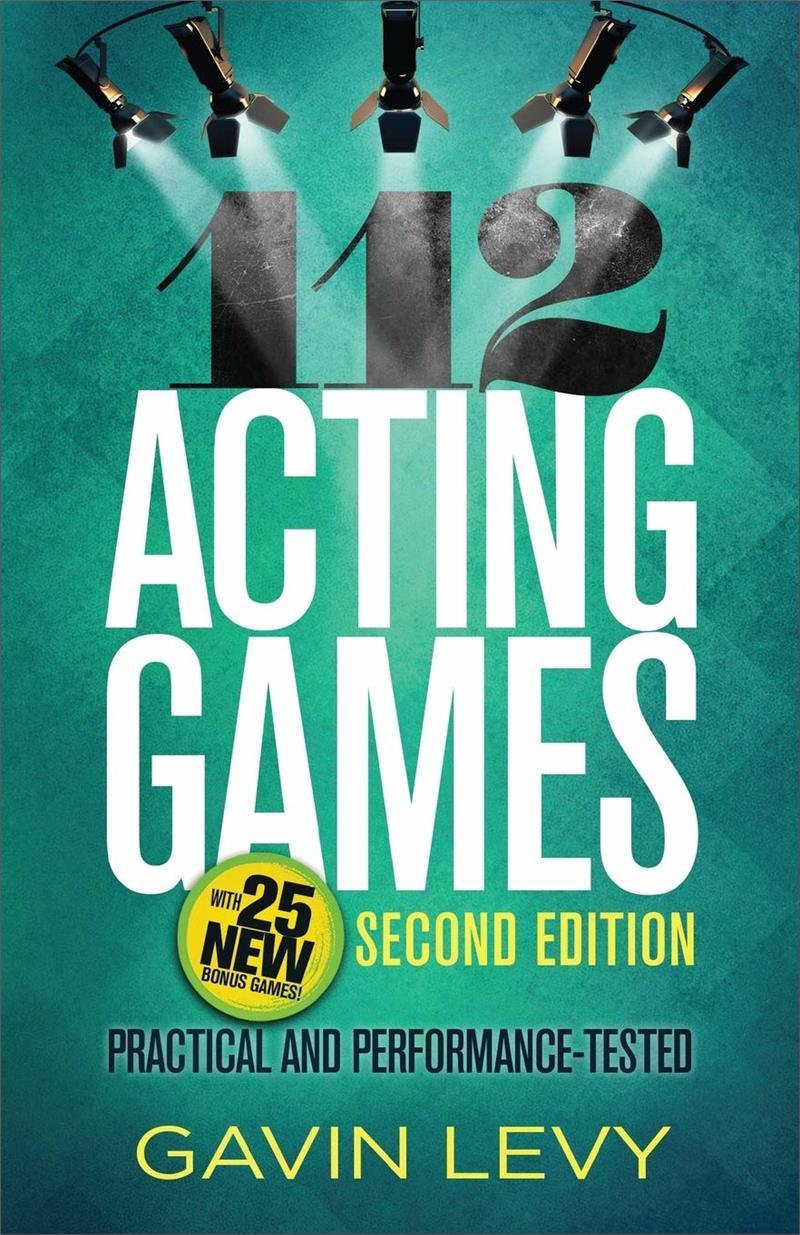
112 Acting Games
Gavin Levy

The Young Actor's Book of Improvisation
Dramatic Situations
Sandra Caruso; Susan Kosoff
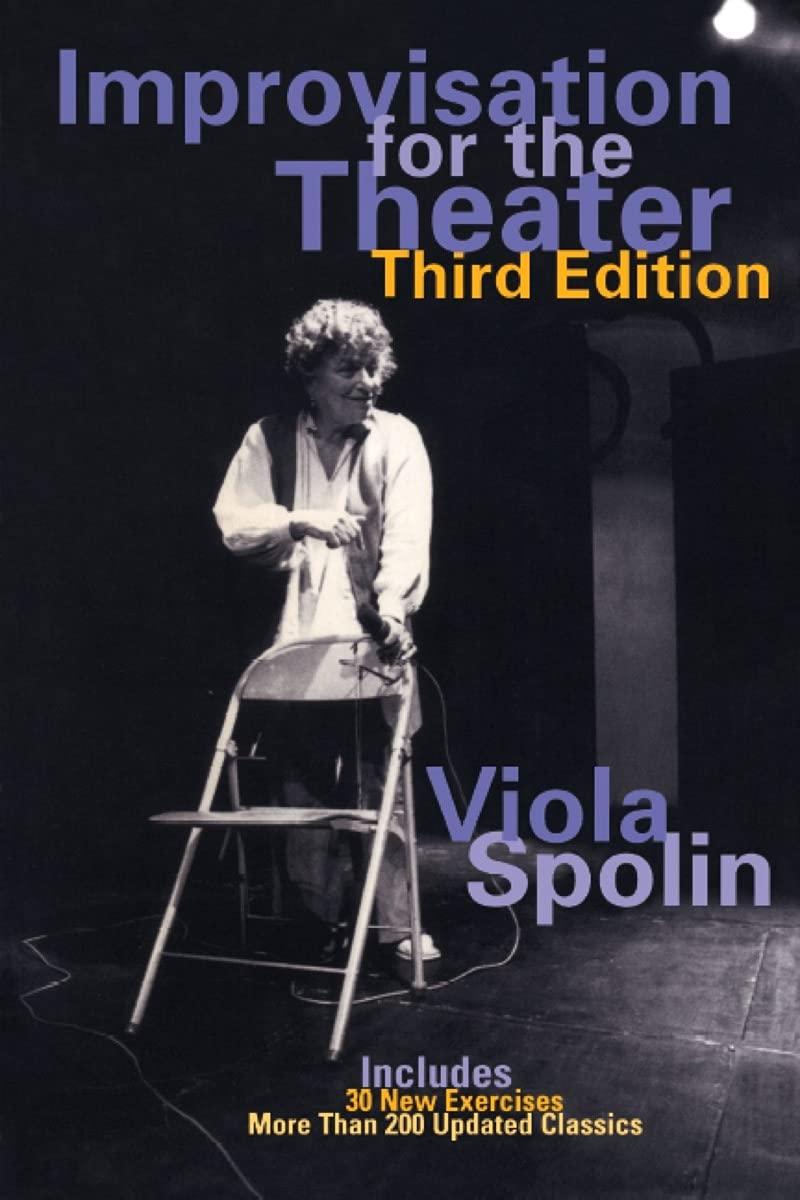
Improvisation for the Theater
A Handbook of Teaching and Directing Techniques
Viola Spolin
Theater Games for Rehearsal
Viola Spolin
Related Games
Understudy
Understudy is a scene game in which performers replace one another mid-scene and must instantly continue as the character just vacated, adopting their voice, physicality, and emotional state. The replacing performer must observe closely while waiting and commit to a specific replication rather than a generic impression. The game trains character observation, physical specificity, and the ability to enter mid-scene without disrupting its reality.
Attenborough
Attenborough is a scene game in which one performer narrates the action in the style of a wildlife documentary while other players perform a mundane scene as though they were animals being observed in their natural habitat. The naturalist narration reframes ordinary human behavior as exotic and fascinating. The game rewards a strong David Attenborough vocal impression and the ability to find comedy in the mundane.
How to Reference This Page
The Improv Archive. (2026). Animal Understudy. Retrieved September 28, 2026, from https://improvarchive.org/games/animal-understudy
The Improv Archive. "Animal Understudy." The Improv Archive, 2026. https://improvarchive.org/games/animal-understudy.
The Improv Archive. "Animal Understudy." The Improv Archive, 2026, https://improvarchive.org/games/animal-understudy. Accessed September 28, 2026.
The Improv Archive is a systemically maintained repository. The archive itself acts as the corporate author.