Behind Closed Doors
Behind Closed Doors is a scene game in which the audience sees only the moments before characters enter and after they exit a room, never what happens inside. Players must convey dramatic events through their changed demeanor, dialogue, and physical state upon emerging. The game trains performers to communicate offstage action through behavior.
Worth Reading
See all books →
Whose Improv Is It Anyway?
Beyond Second City
Amy E. Seham

The Improvisation Game
Discovering the Secrets of Spontaneous Performance
Chris Johnston

Drama Games and Improvs
Games for the Classroom and Beyond
Justine Jones; Mary Ann Kelley
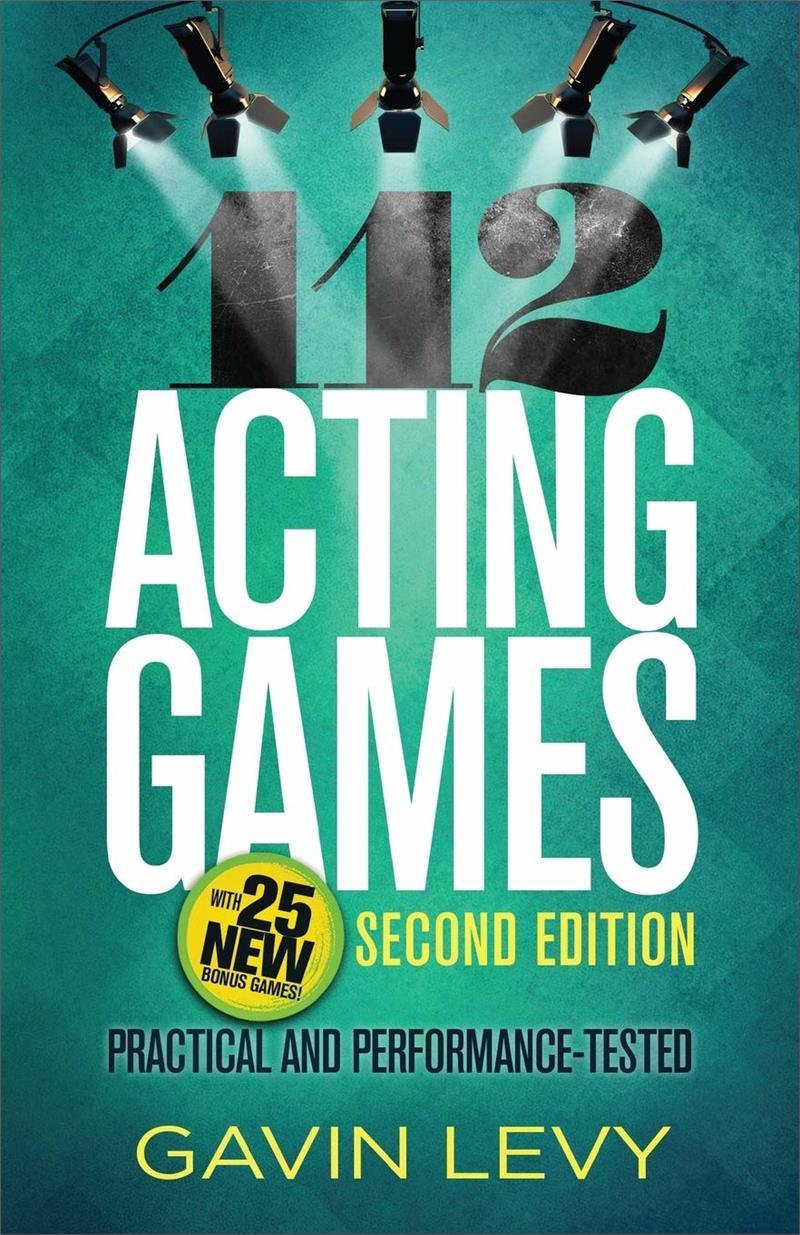
112 Acting Games
Gavin Levy
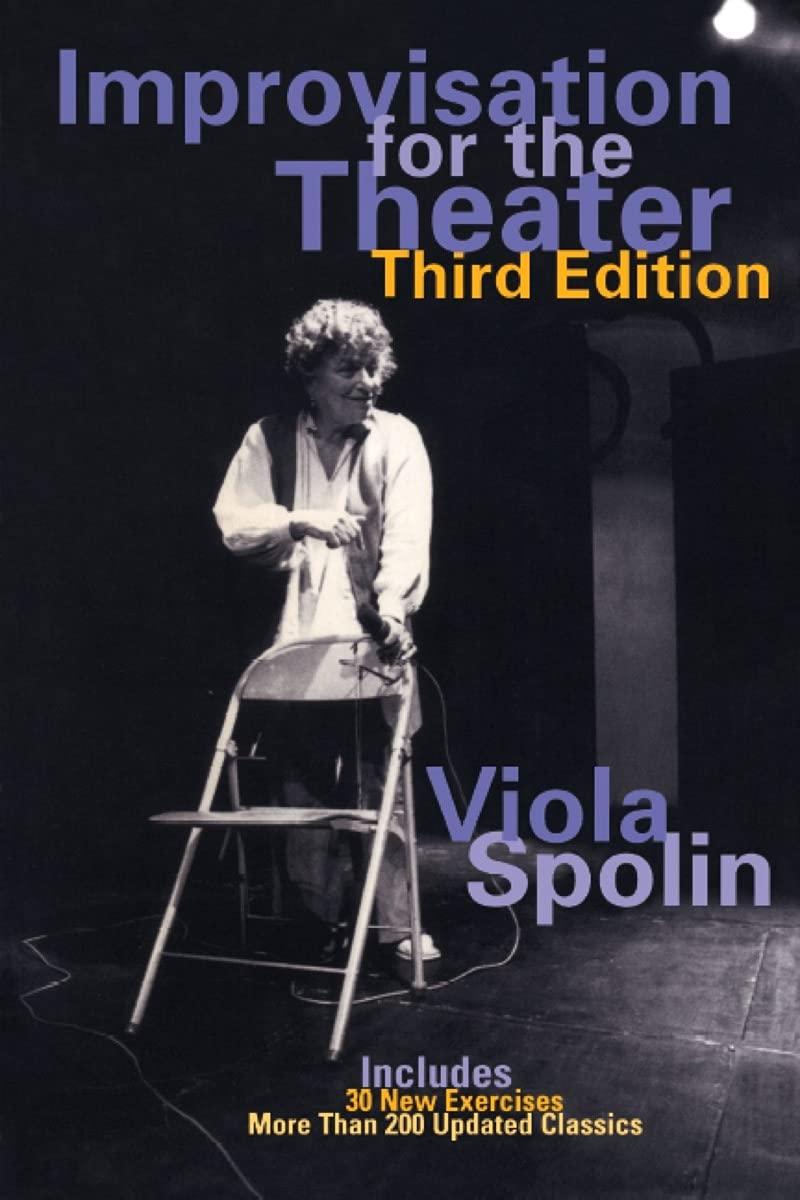
Improvisation for the Theater
A Handbook of Teaching and Directing Techniques
Viola Spolin
Theater Games for Rehearsal
Viola Spolin
Related Games
Doors
Doors is a scene game in which performers enter and exit through imagined doors, with each entrance bringing a new character, revelation, or complication. The physical act of entering through a door heightens the theatrical convention and gives each new addition a clear punctuation. The game rewards strong entrance choices and the ability to build on what has already been established.
Solo Doors
Solo Doors is a game in which a single performer faces multiple doors, each representing a different scene, character, or situation. As the host or audience calls out a door number, the performer must instantly switch between the distinct worlds behind each door.
Walkout
Walkout is a scene game in which performers can walk out of a scene at any point, and whoever remains must justify the departure and continue. The unpredictability of exits forces improvisers to stay alert and adaptable. The game trains the ability to maintain scene coherence despite sudden changes in cast.
Blindfolded Scene
Blindfolded Scene is a scene game in which performers play a scene while blindfolded, unable to see their partners, the audience, or the space. The restriction heightens all other senses and forces players to listen, communicate position verbally, and trust their partners completely. The game reveals how much performers normally rely on visual cues.
Before or After
Before or After is a short-form game in which performers present a scene, then the audience calls out whether they want to see what happened "before" or "after" the events just depicted. The performers create a new scene that logically connects to the original, revealing backstory or consequences that recontextualize what the audience already witnessed. The game can cycle through multiple rounds, with the audience driving the story forward or backward in time. Before or After trains narrative construction, temporal awareness, and the ability to expand a story in either direction while maintaining internal consistency. The game rewards performers who plant details in early scenes that pay off when the timeline shifts.
Exit Game
Exit Game is a short-form scene game in which the last performer to leave the stage at the end of the round wins. The game creates a comedic standoff: performers must find any justification within the scene -- narrative, emotional, physical -- for staying onstage after their scene partners have exited. The longer they remain, the more the justification must escalate. The game rewards commitment to character logic and inventive scene construction.
How to Reference This Page
The Improv Archive. (2026). Behind Closed Doors. Retrieved September 28, 2026, from https://improvarchive.org/games/behind-closed-doors
The Improv Archive. "Behind Closed Doors." The Improv Archive, 2026. https://improvarchive.org/games/behind-closed-doors.
The Improv Archive. "Behind Closed Doors." The Improv Archive, 2026, https://improvarchive.org/games/behind-closed-doors. Accessed September 28, 2026.
The Improv Archive is a systemically maintained repository. The archive itself acts as the corporate author.