Dubbed Movie
Dubbed Movie is a scene game in which one set of performers provides the physical action while a separate group supplies all voices from offstage or from the side. The disconnect between bodies and voices generates comedy through mismatched timing, unexpected interpretations, and the challenge of physical performers having to commit fully to words they cannot predict. The game trains both physical storytelling and vocal responsiveness.
Structure
Setup
Divide performers into two groups: the physical actors (who move and mime onstage) and the voice actors (who speak the dialogue from offstage or from a designated area visible to the audience). Each physical actor is paired with a voice actor, though some groups pair one voice with multiple physical actors for increased absurdity.
Progression
The host solicits a suggestion from the audience and the scene begins. Physical actors perform the action of the scene entirely in mime -- no sounds escape them. Voice actors watch closely and provide all spoken dialogue, sound effects, and vocal reactions in real time.
The challenge for physical actors is to commit completely to the words arriving without warning. The challenge for voice actors is to watch the physical action carefully and make choices that honor the scene while creating comic surprise. Neither group can break to consult the other.
Conclusion
The scene ends when a clear narrative moment has been reached or when the host determines the game has reached its peak comedic density. A round typically runs two to four minutes.
How to Teach It
Objectives
Dubbed Movie trains physical commitment, active listening across physical and vocal channels, and the willingness to serve a partner's unexpected offer. It also develops the skill of reading and mirroring physical action, which transfers directly to scene work.
How to Explain It
"Physical actors: your job is to commit completely to whatever your voice actor says, even if it surprises you. Voice actors: watch the body first, then talk. The scene lives in the space between what you see and what you say."
Scaffolding
In early training, give voice actors practice rounds where they describe what the physical actor is doing before adding dialogue. This develops the watching habit before the creative pressure of real-time scene work.
Common Pitfalls
Physical actors frequently freeze when unexpected words arrive. The coaching note is to accept the word completely and let the body respond without judgment. Voice actors sometimes override the physical action rather than responding to it -- the result is a monologue rather than a scene.
How to Perform It
Audience Intro
"These performers will be acting out the scene -- but they can't make a sound. Their voices are coming from over here."
Cast Size
Minimum 4 (2 physical, 2 voice). Ideal 4 to 6. Larger casts with multiple physical actors sharing a single voice actor amplify the absurdity.
Staging
Physical actors perform center stage. Voice actors stand to one side or in a clearly visible offstage area. The audience must be able to see both groups to appreciate the split. Lighting or physical separation helps clarify which group is which.
Wrap-Up Logic
The host watches for the moment when the comic tension between body and voice peaks. Scenes should not run so long that the novelty wears off. A successful round ends on a strong surprise or clear conclusion.
Worth Reading
See all books →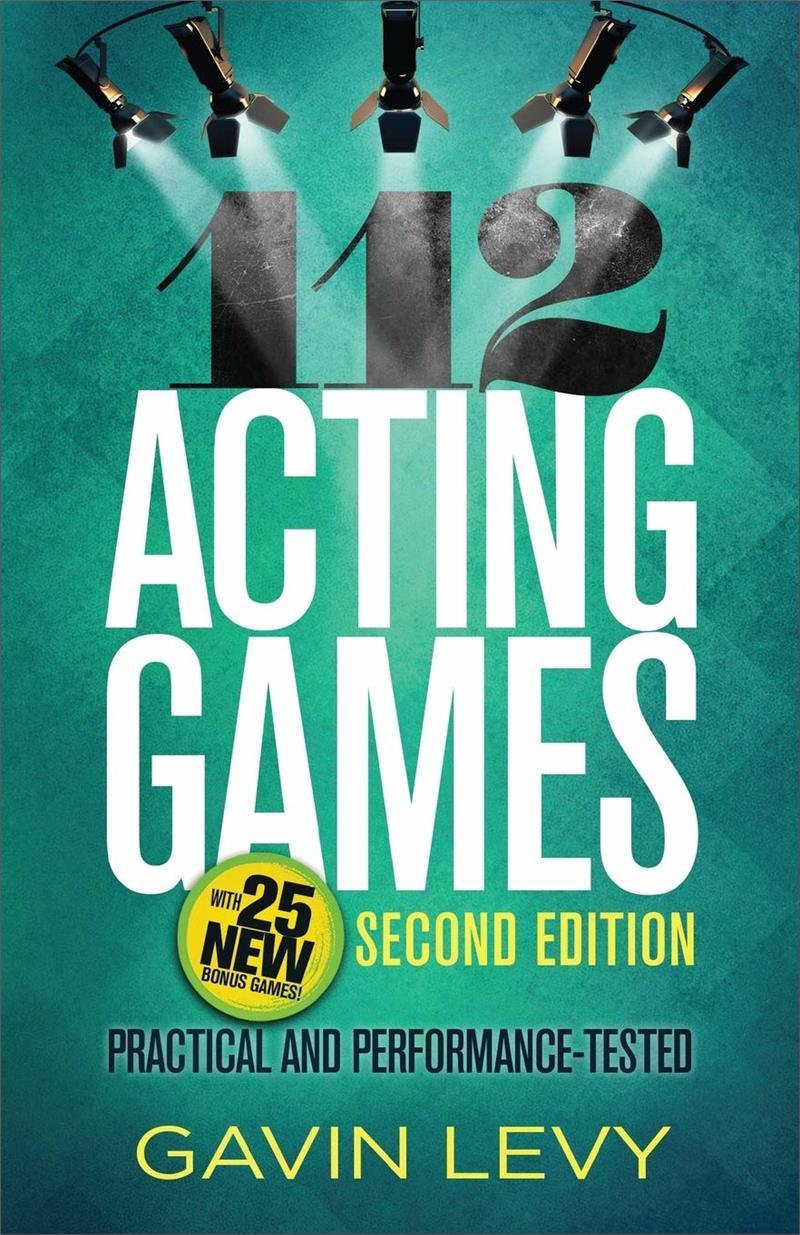
112 Acting Games
Gavin Levy
Theater Games for Rehearsal
Viola Spolin

Mask Improvisation for Actor Training and Performance
the compelling image
Sears A. Eldredge
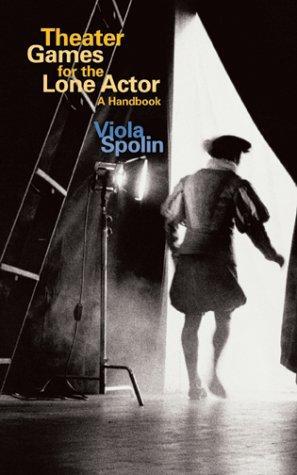
Theater Games for the Lone Actor
Viola Spolin
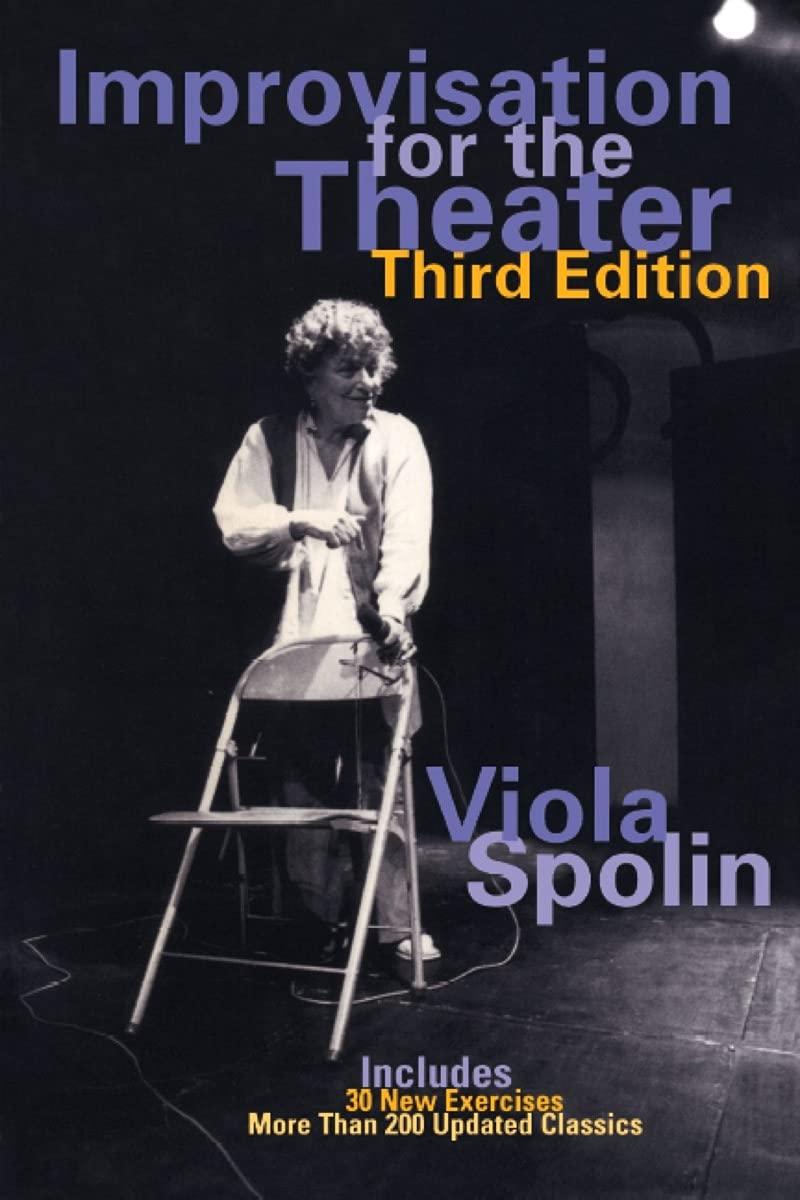
Improvisation for the Theater
A Handbook of Teaching and Directing Techniques
Viola Spolin

Pirate Robot Ninja
An Improv Fable
Billy Merritt; Will Hines
Related Games
Dubbing
Dubbing is a performance game in which one performer provides the physical actions for a character while a separate performer supplies that character's voice from offstage or from behind. The deliberate separation of voice and body creates inherent comedy as the two performers attempt to synchronize, producing a character that appears to have a mind of its own. Dubbing trains complementary skills: the body performer must generate clear, readable physical actions, while the voice performer must interpret and justify those movements through dialogue. The game appears across many short-form formats and is one of the most audience-accessible improv games due to its immediately visible comic mechanism.
Bidirectional Satellite TV
Bidirectional Satellite TV is a dubbing game in which two pairs of performers are placed in separate areas, each watching the other on an imaginary screen. One pair provides the physical action while the other provides the voices, and they switch roles back and forth. The disconnection between bodies and voices generates comedy through mismatched timing and interpretation.
Film Dub
Film Dub is a performance game in which performers provide improvised dialogue over a silent film, foreign language clip, or muted video playing on a screen. The performers must match their dialogue to the on-screen actors' mouth movements and physical actions. The game rewards quick verbal invention and the ability to justify visual information in real time.
Subtitles
Subtitles is a short-form game in which two performers play a scene in gibberish or a mock foreign language while two other performers provide simultaneous English translations. Also known as Foreign Film, the game requires translators to derive spoken content from the speakers' physical behavior, emotional tone, and the sounds of the gibberish, producing translations that can interpret, contradict, or editorially comment on what the speakers appear to be saying.
Movie Cards
Movie Cards is a short-form game in which performers play a scene in the style of a specific film genre selected from a deck of cards -- or from a set of genre categories called by the audience or host. Each card introduces a new genre frame that immediately transforms the performers' physical, vocal, and emotional register. The game tests performers' genre fluency and their ability to transform the same or similar scene material through radically different cinematic conventions.
Helping Hands
Helping Hands is a short-form game in which one performer stands in front of another and extends their arms through the front performer's sleeves or from behind, so that the back performer's hands serve as the front performer's arms. The front performer speaks and reacts while the back performer's hands gesture, handle props, and physically enact whatever the scene requires. The dissonance between speech and gesture -- and the unpredictable behavior of the "helping hands" -- generates the game's comedy.
How to Reference This Page
The Improv Archive. (2026). Dubbed Movie. Retrieved September 28, 2026, from https://improvarchive.org/games/dubbed-movie
The Improv Archive. "Dubbed Movie." The Improv Archive, 2026. https://improvarchive.org/games/dubbed-movie.
The Improv Archive. "Dubbed Movie." The Improv Archive, 2026, https://improvarchive.org/games/dubbed-movie. Accessed September 28, 2026.
The Improv Archive is a systemically maintained repository. The archive itself acts as the corporate author.