Chain Murder
Chain Murder is a guessing game in which players leave the room and re-enter one at a time. Each returning player watches the previous player silently act out a murder scenario, then must reproduce what they saw for the next player. The chain of imitations progressively distorts the original scene, producing comedy through accumulated misinterpretation.
Worth Reading
See all books →
The Improv Handbook
The Ultimate Guide to Improvising in Comedy, Theatre, and Beyond
Tom Salinsky; Deborah Frances-White

Acting Through Improv
Improv Through Theatresports
Lynda Belt; Rebecca Stockley

Group Improvisation
The Manual of Ensemble Improv Games
Peter Campbell Gwinn; Charna Halpern
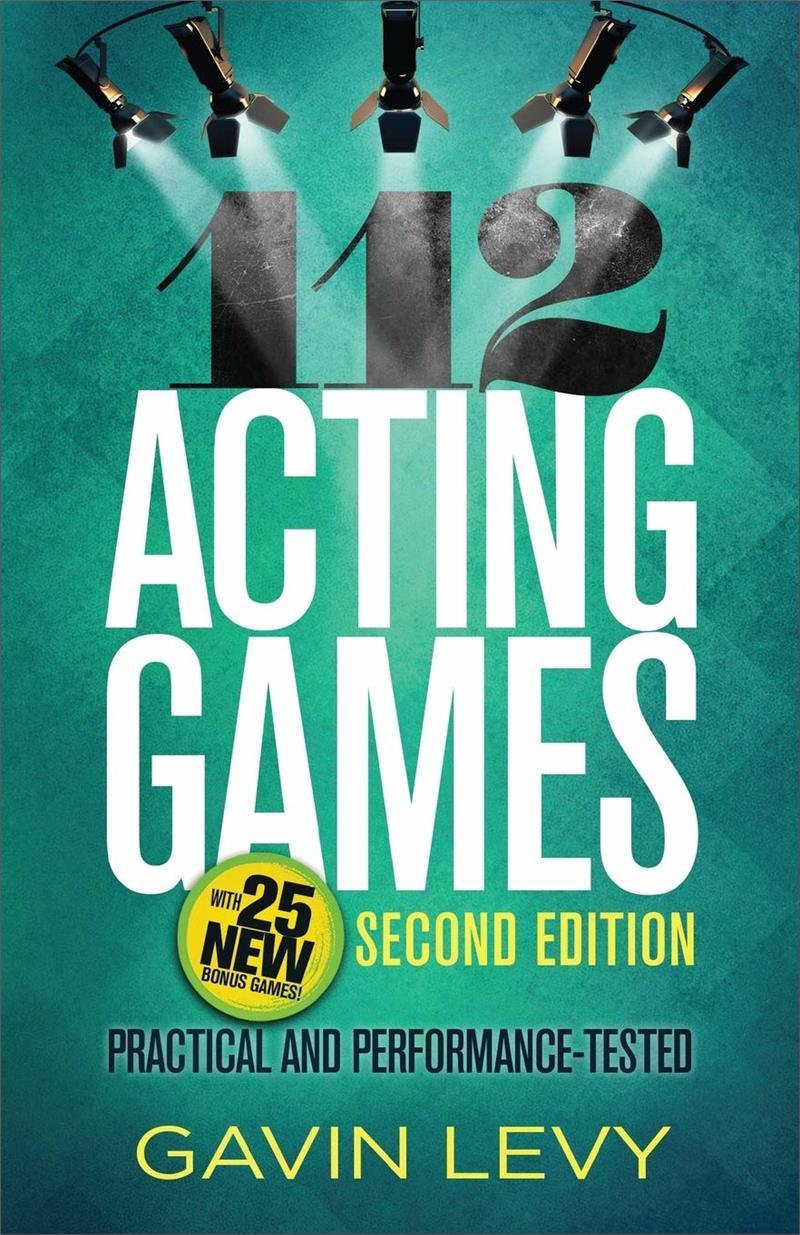
112 Acting Games
Gavin Levy

Something from Nothing
The Technique of Improvisation
Richard Goteri

Drama Games and Improvs
Games for the Classroom and Beyond
Justine Jones; Mary Ann Kelley
Related Games
Murderer
Murderer is a social deduction game in which players move freely around a space while one secretly designated player eliminates others by winking at them. When a player receives a wink, they count silently to five and then perform a dramatic death. Surviving players attempt to identify the murderer before everyone is eliminated. If a player suspects the murderer's identity, they may make an accusation. A wrong accusation eliminates the accuser. The game sharpens observational awareness, rewards bold physical commitment in the death scenes, and builds ensemble energy through the combination of tension, deception, and theatrical dying.
Murder Mystery
Murder Mystery is a long-form or short-form game in which the ensemble improvises a classic whodunit scenario, complete with a victim, suspects, clues, red herrings, and a dramatic reveal. The audience often suggests the victim, the setting, and the murder weapon, providing the raw material from which the ensemble constructs the mystery. The game demands careful narrative tracking, ensemble coordination, and the ability to plant information early that pays off in the final act. It rewards performers who can maintain the balance between genre fidelity and comedic invention.
Murder Endowment
Murder Endowment is a short-form guessing game in which one player must determine the method, location, and motive of a fictional murder based on clues provided by the other performers. The endowed players act out increasingly obvious hints while maintaining the reality of their scene. The game generates comedy from the guesser's struggle to decode the clues.
Detective
Detective is a guessing game in which one player takes the role of an investigator while the remaining performers hold secret information about a crime, event, or scenario. The detective pieces together the story through questioning, observation, and deduction while the other performers communicate information indirectly through behavior, dialogue, and scene work rather than stating the answer directly. The game trains deductive reasoning, indirect communication, and the ability to convey information through subtext and physicality. Detective rewards both the guessing player's analytical skill and the ensemble's ability to provide clear, playable clues without giving the answer away.
Assassin
Assassin is a sustained social game in which each player is secretly assigned a target to "eliminate" through a discreet signal such as a wink, a specific word, or a light tap. Players circulate through the space or go about their normal activities while simultaneously hunting their assigned target and watching for signs that someone is hunting them. The game unfolds over an extended period, ranging from a single workshop session to an entire day or retreat. Assassin builds observational awareness, peripheral attention, and the ability to function on multiple levels of awareness simultaneously. The game is distinct from the exercise Assassins (a separate entry in the archive), which involves physical tag-style elimination in a defined space.
How to Reference This Page
The Improv Archive. (2026). Chain Murder. Retrieved October 14, 2026, from https://improvarchive.org/games/chain-murder
The Improv Archive. "Chain Murder." The Improv Archive, 2026. https://improvarchive.org/games/chain-murder.
The Improv Archive. "Chain Murder." The Improv Archive, 2026, https://improvarchive.org/games/chain-murder. Accessed October 14, 2026.
The Improv Archive is a systemically maintained repository. The archive itself acts as the corporate author.