Emotion Replay
Emotion Replay is a short-form game in which a brief scene is performed once, then replayed with different emotions assigned to each performer or to the scene as a whole. The same dialogue and physical action take on new meaning when filtered through joy, rage, terror, or grief, demonstrating how emotional state transforms the experience of any situation. The game makes the effect of emotion visible and concrete.
Structure
Setup
The host solicits a suggestion and establishes a simple premise. Two to four performers play a short scene -- typically one to two minutes -- with naturalistic emotional choices.
The Replays
After the first scene ends, the host solicits emotion suggestions from the audience. Each performer is assigned a different emotion, or the entire ensemble is assigned a single shared emotion, and the scene is replayed from the beginning using the same basic dialogue and actions but filtered entirely through the new emotional lens.
Multiple replays follow, each with new emotion assignments. The contrast between replays is the engine of the game -- the same content produces radically different scenes depending on the emotional state each performer is inhabiting.
Conclusion
The game typically runs two to four replays after the original. The host ends the game when the emotional contrast has produced its best moments. A strong game ends on a peak combination -- an emotion that generates both surprise and complete commitment from the ensemble.
How to Teach It
Objectives
Emotion Replay trains sustained emotional commitment, the ability to reinterpret familiar material through a new lens, and the awareness of how emotion changes everything -- status, pacing, physical behavior, and the meaning of words.
How to Explain It
"The scene is the same. The words are the same. But you are furious. Or terrified. Or completely in love. Let that change everything."
Scaffolding
Begin with highly contrasting emotions (ecstatic versus despairing) before moving to subtler combinations. The contrast is the teacher -- when it is dramatic, the lesson is clear. As the ensemble develops emotional range, more nuanced assignments become available.
Common Pitfalls
Performers sometimes apply emotion as a surface layer -- slightly louder, slightly sadder -- rather than allowing it to restructure their entire physical and vocal relationship to the scene. The coaching note is that a truly furious person does not just speak more intensely; their body, their silences, their relationship to the other person all change.
How to Perform It
Audience Intro
"We're going to do the same scene again -- but this time each of these performers will be feeling something completely different."
Cast Size
Minimum 2. Ideal 3 to 4. Larger casts create more emotional variety per replay but require stronger coordination among performers.
Staging
The physical staging remains consistent across replays -- same positions, same basic blocking. The emotional transformation should come entirely from performance, not from changed physicality of the scene structure. This consistency makes the emotional contrast legible to the audience.
Wrap-Up Logic
The host watches for the replay that produces the strongest audience response and ends there. The game should not run until the emotion combinations are exhausted; it should end while the audience still wants another replay.
Worth Reading
See all books →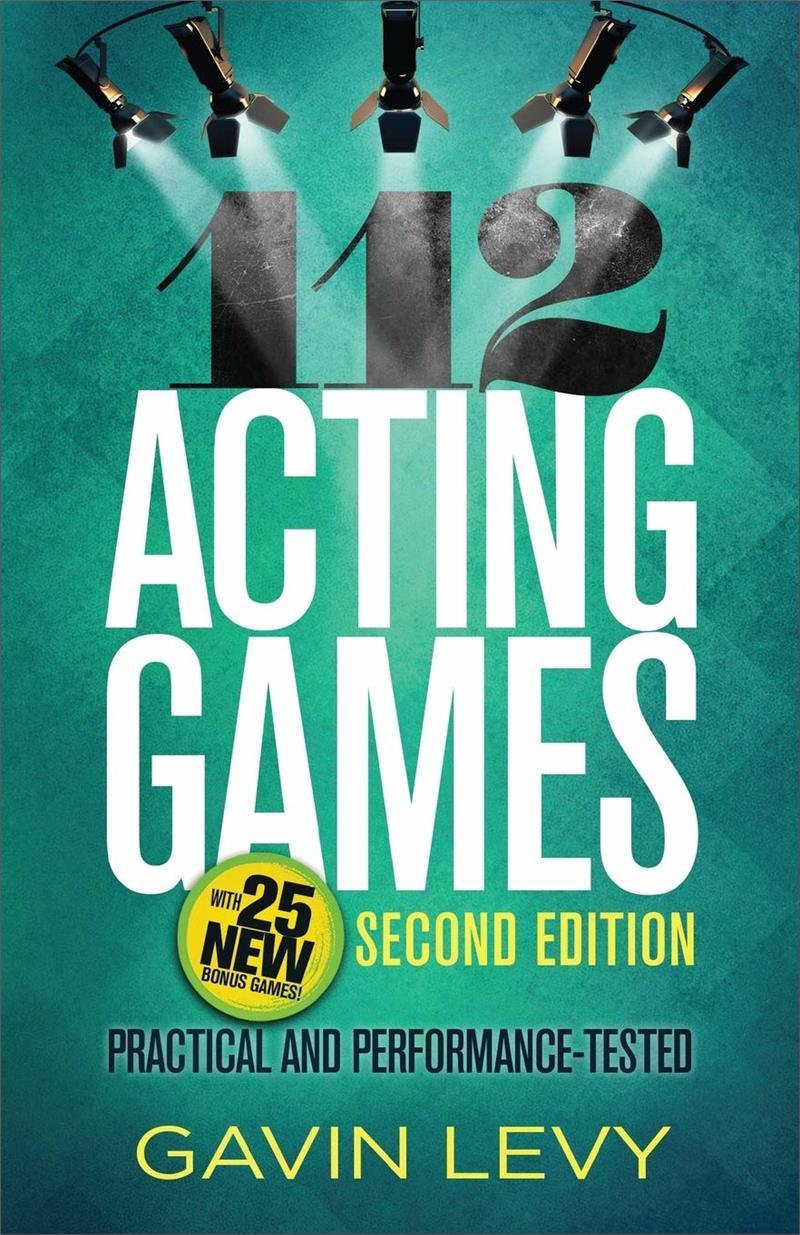
112 Acting Games
Gavin Levy

Theater Games for Rehearsal
Viola Spolin

Drama Games and Improvs
Games for the Classroom and Beyond
Justine Jones; Mary Ann Kelley
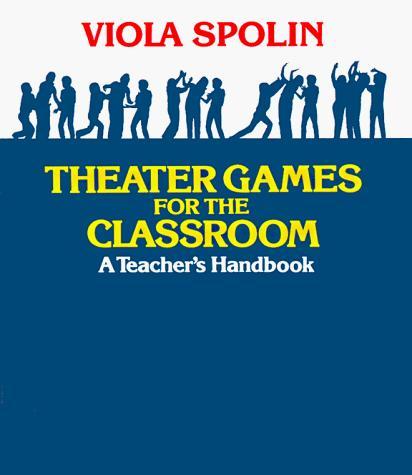
Theater Games for the Classroom
Viola Spolin
The Improvisation Game
Discovering the Secrets of Spontaneous Performance
Chris Johnston

Improvising Real Life
Personal Story in Playback Theatre
Jo Salas
Related Games
Scene Replay
Scene Replay is a short-form game in which a scene is performed once, then replayed with a significant modification such as a new genre, emotional shift, or physical constraint. The replay preserves the original scene's structure and relationship while the imposed change reveals how a single variable transforms meaning, comedy, and dynamics.
Continuing Emotions
Continuing Emotions is a scene game in which performers cycle through a series of emotional states at the direction of a caller. Each emotional shift must be justified within the scene's reality rather than simply displayed, with characters finding a reason to feel the new state given what has just happened. The game trains emotional range, commitment, and the ability to sustain scene logic through rapid change.
Replay Gibberish
Replay Gibberish is a short-form game in which a scene is first performed in coherent dialogue, then replayed entirely in gibberish. The performers must convey the same story, emotions, and relationships using only invented sounds, facial expressions, and physicality, demonstrating how much communication exists beyond words.
Deaf Replay
Deaf Replay is a short-form game in which a scene is performed once with full dialogue and sound, then replayed by a different set of performers who watched the original without being able to hear it. The silent observers must reconstruct the scene's action, emotion, and physical activity based on what they could see but not hear, producing a version that may diverge from the original in comic and revealing ways.
Mega Replay
Mega Replay is a short-form game in which a scene or series of scenes is replayed multiple times, each time in a dramatically different style, genre, or emotional register. The game demonstrates the ensemble's range and versatility by showing the same material transformed across radically different theatrical and comedic conventions -- from opera to thriller, from silent film to children's television -- rewarding specificity of style and the audience's recognition of each new frame.
Style Replay
Style Replay is a short-form game in which a scene is performed once, then replayed in a series of audience-suggested styles, genres, or performance traditions. Each replay transforms the same basic content through a completely different theatrical or cinematic lens.
How to Reference This Page
The Improv Archive. (2026). Emotion Replay. Retrieved September 28, 2026, from https://improvarchive.org/games/emotion-replay
The Improv Archive. "Emotion Replay." The Improv Archive, 2026. https://improvarchive.org/games/emotion-replay.
The Improv Archive. "Emotion Replay." The Improv Archive, 2026, https://improvarchive.org/games/emotion-replay. Accessed September 28, 2026.
The Improv Archive is a systemically maintained repository. The archive itself acts as the corporate author.