Emotional Family
Emotional Family is a short-form scene game in which each member of an improvised family is assigned a dominant emotion they must maintain throughout the scene. The clashing emotional energies -- a joyful parent, a terrified sibling, an angry grandparent -- create comic friction as the family navigates a shared situation. The game rewards sustained emotional commitment, the ability to play off contrasting energies, and the kind of specificity that makes each character distinct even within an absurd premise.
Structure
Setup
The host solicits a suggestion for a family situation (a holiday dinner, a road trip, a morning routine) and assigns each performer a distinct emotion. Emotions should contrast strongly: one performer is ecstatic, one is furious, one is terrified, one is deeply bored. Assignments can be written on cards or whispered by the host.
Progression
Performers begin the scene fully inhabiting their assigned emotions. The shared situation provides a common context, while the emotional variety creates comic mismatch: the joyful parent cheerfully announces the same news that the furious sibling cannot tolerate and the terrified child interprets as a threat.
Performers may not break or comment on each other's emotions -- they must treat all emotional responses as reasonable within the world of the scene. The comedy arises from the specificity of each performer's emotional reality, not from acknowledging the absurdity.
Conclusion
The scene ends when a clear narrative moment has been reached or when the host determines the emotional contrasts have been fully explored. Scenes typically run three to five minutes.
How to Teach It
Objectives
Emotional Family trains sustained emotional commitment, ensemble awareness, and the ability to generate strong character differentiation from a single emotional anchor. The family context provides enough shared stakes to keep all performers engaged while the emotional contrast provides the comedic engine.
How to Explain It
"You're a family. You have an assigned feeling that is completely valid and real for you. Play from inside that feeling -- not as a costume, but as your whole world."
Scaffolding
In early training, assign emotions on cards that performers can keep visible. Once the ensemble develops emotional range, verbal assignment at the top of the scene is sufficient. The game also works well as a rehearsal tool for developing emotional specificity in scene work.
Common Pitfalls
Performers sometimes allow their assigned emotion to fade as the scene develops, defaulting to a neutral reactive state. The coaching note is that the assignment is permanent for the life of the scene -- the furious character is still furious when good news arrives, which is more interesting than a character who recovers.
How to Perform It
Audience Intro
"We're going to need a family situation -- something this family is dealing with. And then I'm going to give each performer their emotional state for the scene."
Cast Size
Minimum 3. Ideal 4 to 5. More performers create more emotional contrast, but casts larger than five can make the scene difficult to follow.
Staging
The family arrangement -- around a table, in a car, in a living room -- should be established immediately so the audience knows the physical geography. Performers should use the space to express their emotional states physically, not just vocally.
Wrap-Up Logic
The host watches for the moment when the emotional combinations have produced their best collision. The scene should not run until the novelty of the emotion assignments wears off.
Worth Reading
See all books →
The Young Actor's Book of Improvisation
Dramatic Situations
Sandra Caruso; Susan Kosoff

Drama Games and Improvs
Games for the Classroom and Beyond
Justine Jones; Mary Ann Kelley
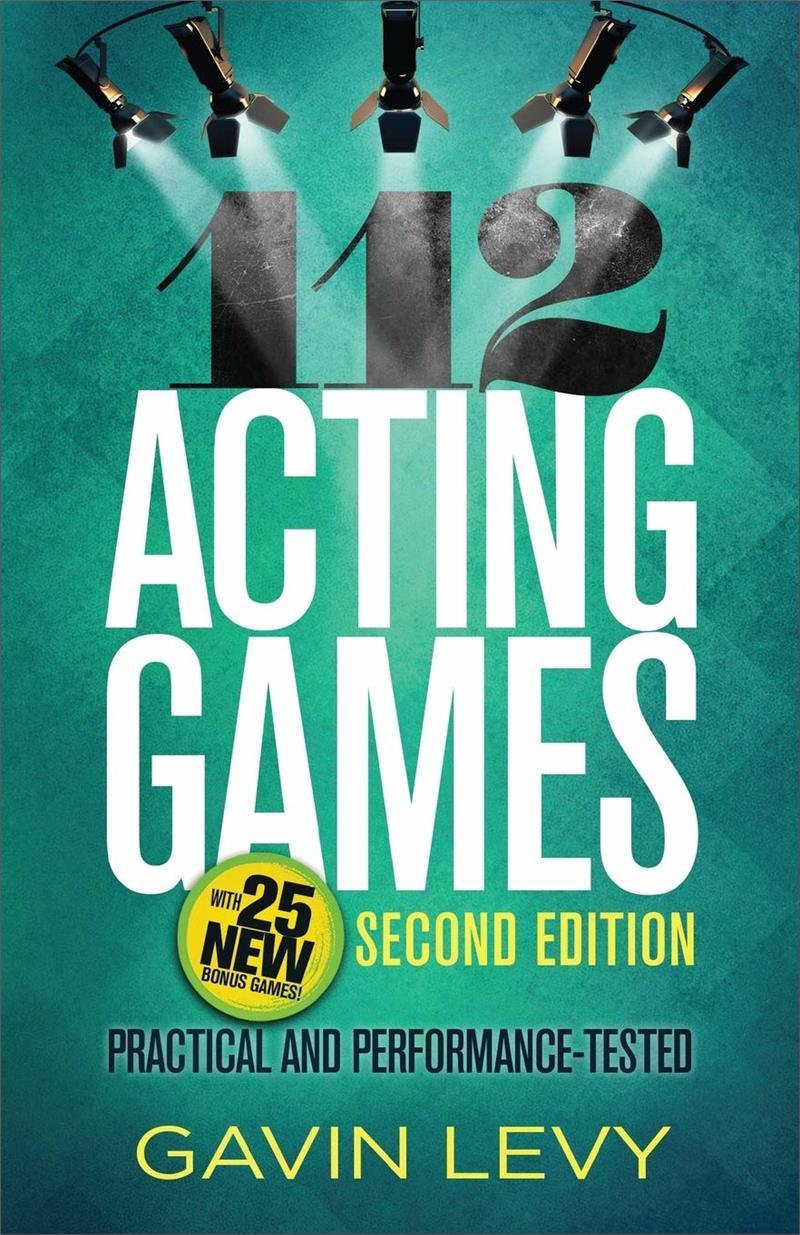
112 Acting Games
Gavin Levy
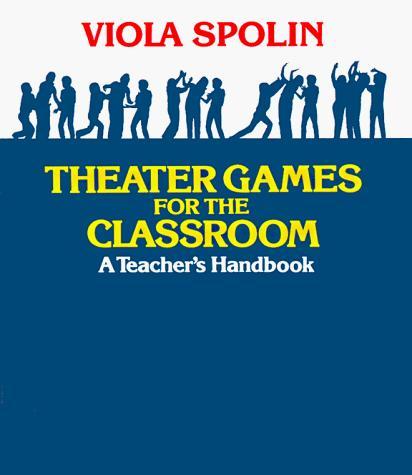
Theater Games for the Classroom
Viola Spolin

Improvised Theatre and the Autism Spectrum
A Practical Guide
Gary Kramer; Richie Ploesch
The Improvisation Game
Discovering the Secrets of Spontaneous Performance
Chris Johnston
Related Games
Family Dinner
Family Dinner is a scene game set at a family meal, where long-standing tensions, secrets, and dynamics surface over the course of the gathering. The familiar domestic setting provides rich terrain for character work and relationship play. Every audience member has experienced a family meal, making the scenario immediately relatable. The game rewards specificity in family dynamics, the ability to build shared history between characters, and the patience to let subtext simmer before boiling over.
Emotional Squares
Emotional Squares is a spatial improv exercise and game in which the performance area is divided into a grid of squares, each assigned a distinct emotion. Performers moving through the space must immediately adopt the emotional state of whatever square they occupy. Crossing into a new square produces an immediate emotional shift. The game rewards bold physical choices and clear, committed transitions between emotional states as performers navigate the grid.
Continuing Emotions
Continuing Emotions is a scene game in which performers cycle through a series of emotional states at the direction of a caller. Each emotional shift must be justified within the scene's reality rather than simply displayed, with characters finding a reason to feel the new state given what has just happened. The game trains emotional range, commitment, and the ability to sustain scene logic through rapid change.
Cards
Cards is a short-form game in which performers draw playing cards that assign them secret emotions, character traits, or scene constraints they must incorporate into the scene. The random assignment prevents pre-planning and forces genuine in-the-moment adaptation. The game rewards the ability to make any given constraint appear natural.
How to Reference This Page
The Improv Archive. (2026). Emotional Family. Retrieved September 28, 2026, from https://improvarchive.org/games/emotional-family
The Improv Archive. "Emotional Family." The Improv Archive, 2026. https://improvarchive.org/games/emotional-family.
The Improv Archive. "Emotional Family." The Improv Archive, 2026, https://improvarchive.org/games/emotional-family. Accessed September 28, 2026.
The Improv Archive is a systemically maintained repository. The archive itself acts as the corporate author.