How We Met
How We Met is a scene game in which two characters tell the story of how they first met, often contradicting each other or revealing conflicting versions of events. The game builds relationship history in real time and creates comedy through competing narratives. It rewards strong character choices and attentive listening.
Worth Reading
See all books →
The Triangle of the Scene
A Simple, Practical, Powerful Method for Approaching Improvisation
Paul Vaillancourt

Playing Along
37 Group Learning Activities Borrowed from Improvisational Theater
Izzy Gesell
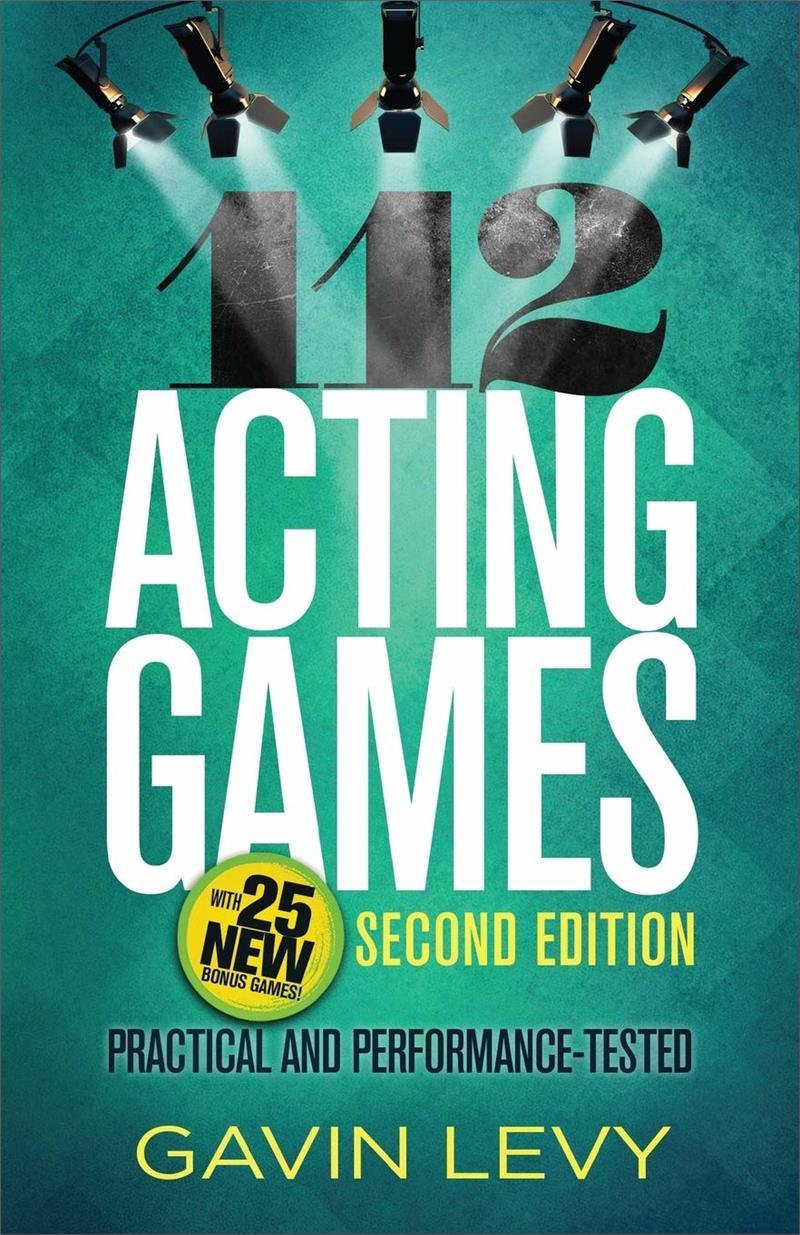
112 Acting Games
Gavin Levy

Drama Games and Improvs
Games for the Classroom and Beyond
Justine Jones; Mary Ann Kelley

The Improvisation Game
Discovering the Secrets of Spontaneous Performance
Chris Johnston

Truth in Comedy
The Manual of Improvisation
Charna Halpern; Del Close; Kim Howard Johnson
Related Games
When Harry Met Sally
When Harry Met Sally is a scene game inspired by the romantic comedy film structure in which two performers play characters who meet, separate, and reunite over the course of several time jumps. The game explores how relationships evolve and rewards emotional authenticity within a comedic framework.
Story Time
Story Time is a collaborative storytelling game in which performers take turns contributing to a shared narrative, each picking up exactly where the previous teller left off. The story may pass on a word, a sentence, or at the tap of a facilitator. The game trains narrative listening and the discipline of serving the story rather than steering it.
Dating Game
Dating Game is a short-form guessing game modeled on television dating shows. One player interviews three potential "dates," each secretly endowed with a character quirk, celebrity identity, or unusual trait by the audience. The dater must identify each contestant's secret through the interview. The game rewards clear physicalization and clever deduction.
Book Club
Book Club is a scene game in which performers play members of a book club discussing a fictitious book, with each player having a wildly different interpretation of the same text. The game generates comedy through misunderstanding, strong opinions, and the social dynamics of the group. It rewards distinct character voices and the ability to commit to an absurd premise.
Peas in a Pod
Peas in a Pod is a scene game in which two performers must play characters who are extremely similar in personality, speech patterns, and worldview. The comedy arises from the pair's unified front and the challenge of maintaining interest without conflict. The game teaches performers to find the game within agreement rather than relying on opposition.
Character Swap
Character Swap is a scene game in which performers exchange characters mid-scene, each adopting the other's physicality, voice, and emotional state. The swap reveals how well players have been observing their partners and tests the ability to sustain someone else's character work. The game rewards careful listening and physical attention.
How to Reference This Page
The Improv Archive. (2026). How We Met. Retrieved September 29, 2026, from https://improvarchive.org/games/how-we-met
The Improv Archive. "How We Met." The Improv Archive, 2026. https://improvarchive.org/games/how-we-met.
The Improv Archive. "How We Met." The Improv Archive, 2026, https://improvarchive.org/games/how-we-met. Accessed September 29, 2026.
The Improv Archive is a systemically maintained repository. The archive itself acts as the corporate author.