Kurosawa
Kurosawa is a scene game played in the style of director Akira Kurosawa's samurai films, emphasizing dramatic pauses, formalized physical movement, intense emotional gravity, and epic visual composition. The heightened genre conventions provide strong guardrails for committed performance. Every gesture is deliberate, every silence charged, and every movement carries the weight of consequence. The game rewards physicality, patience, and the ability to sustain dramatic tension through restraint rather than acceleration.
Structure
The audience suggests a conflict, a location, or a character type. The performers begin a scene using the conventions of Kurosawa's samurai cinema: formal spatial composition, ritualized movement, and weighted silence.
Performers move slowly and deliberately through the space. Physical choices are large and purposeful: a hand resting on an imagined sword hilt, a formal bow, a long gaze across the stage before speaking. Dialogue is sparse, delivered with gravity, and separated by significant pauses.
The scene builds through escalating tension rather than escalating action. Two samurai facing each other across the stage, exchanging minimal dialogue while the physical tension increases, creates more dramatic engagement than a flurry of sword fighting. The genre rewards the approach to conflict more than the conflict itself.
When action does arrive, it is sudden and decisive. A prolonged standoff resolved in a single stroke. The contrast between extended stillness and explosive movement is the genre's signature dynamic.
Variations include Kurosawa with narrator (a performer narrates in the style of a film's voice-over), ensemble Kurosawa (the full cast creates a village or army scene with multiple status levels), and modern Kurosawa (the samurai conventions applied to contemporary settings, creating a mashup of epic formality and mundane content).
How to Teach It
How to Explain It
"This scene has no sound. No dialogue. All communication is physical and facial. When something important happens, play it in slow motion. You are in a Kurosawa film: precision, silence, commitment."
Kurosawa is an effective game for teaching physical commitment and the use of silence as a dramatic tool. Performers who default to verbal comedy discover that stillness, gravity, and physical precision can generate equal or greater audience engagement.
Coach performers to study the source material. Even a brief exposure to Kurosawa's visual style (the framing, the movement, the use of weather and landscape) gives performers concrete references to draw on. Without these references, the game reduces to "speaking slowly," which is not the same as sustained dramatic tension.
The game reveals performers who cannot sustain stillness. Fidgeting, breaking eye contact, and rushing to the next line all indicate discomfort with silence. Use the game as a diagnostic tool for developing comfort with sustained physical presence.
Kurosawa teaches the principle that less is more. Performers who discover the power of a single deliberate gesture, delivered in silence, often carry that economy of movement into their regular scene work.
How to Perform It
Patience is the game's primary skill. Performers trained in fast-paced improv must resist the impulse to fill silence with words or movement. The game's power comes from restraint. A performer who can hold a pose for ten seconds while the audience leans forward in anticipation has mastered the game's engine.
Physical stillness communicates more than physical activity in this game. A hand that moves slowly toward a sword communicates threat. A head that turns deliberately to face a rival communicates challenge. These micro-movements read as enormous gestures when framed by stillness.
The vocal quality must match the physical restraint. Dialogue is delivered with low, measured tones. Sentences are short. Words carry weight. The vocal style of typical improv (fast, casual, conversational) must be abandoned entirely for the game to work.
The comedy, when it emerges, comes from the gap between the epic formality and the underlying content. A samurai drama about a parking dispute or a sandwich order becomes funny precisely because the performers treat the trivial with deadly seriousness.
Worth Reading
See all books →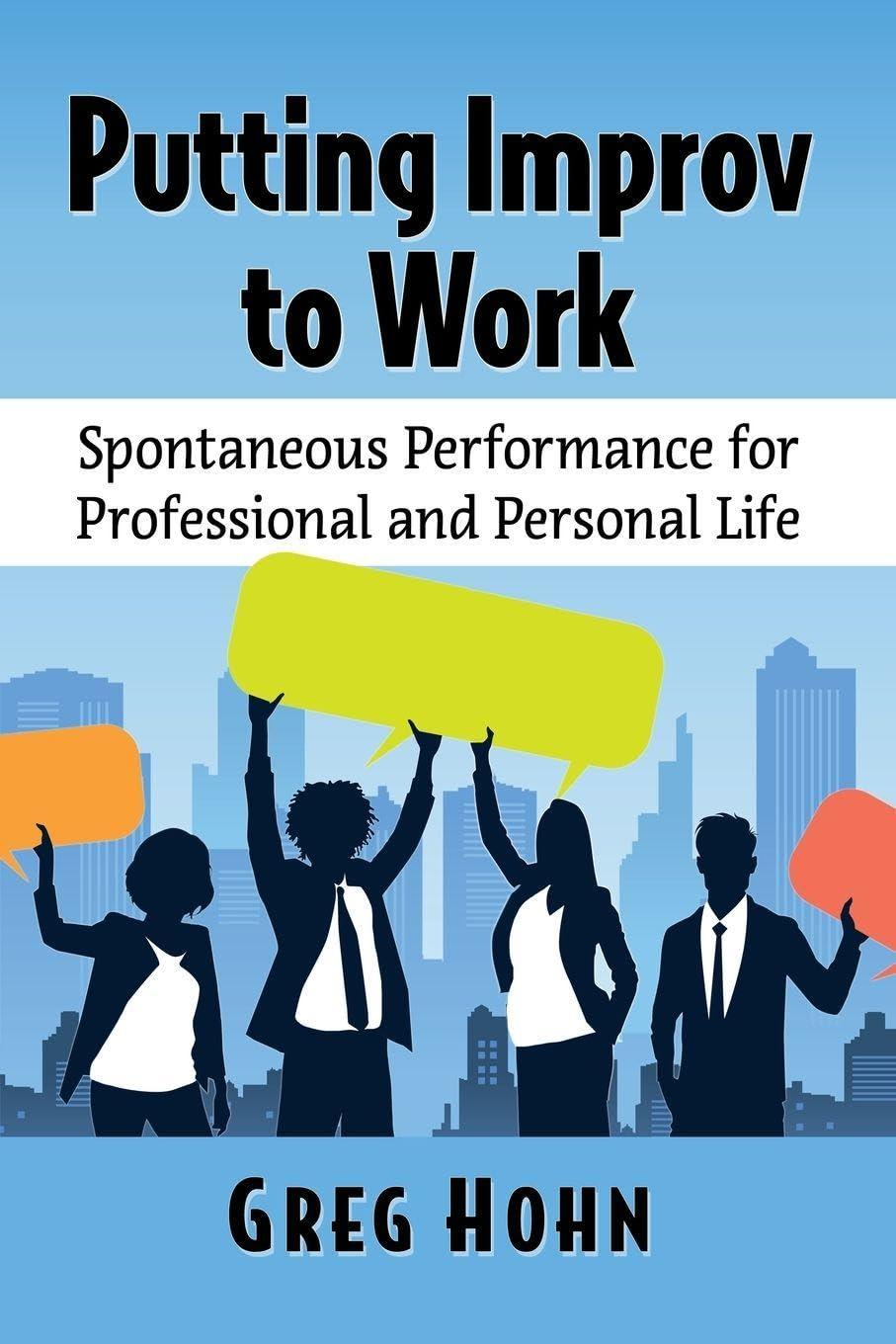
Putting Improv to Work
Spontaneous Performance for Leadership, Learning, and Life
Greg Hohn

Improv Comedy (20th Anniversary Edition)
Andy Goldberg
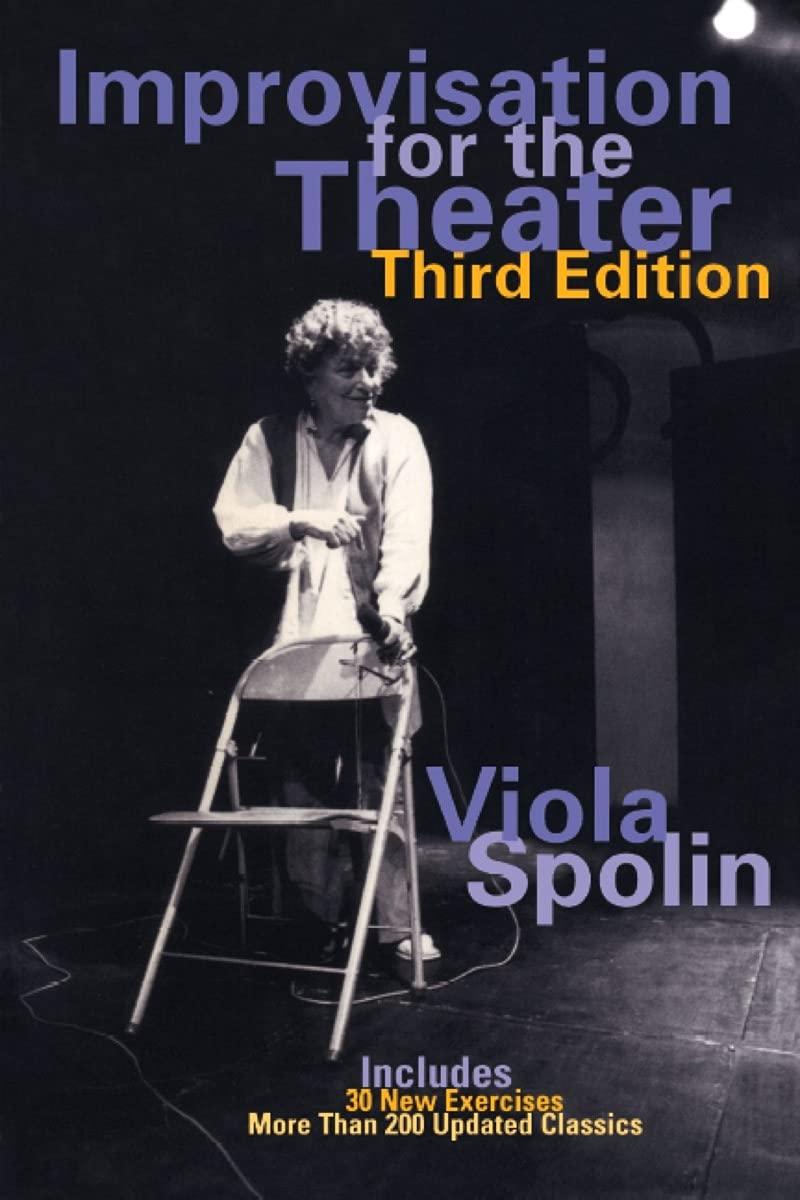
Improvisation for the Theater
A Handbook of Teaching and Directing Techniques
Viola Spolin
Theater Games for Rehearsal
Viola Spolin

Pirate Robot Ninja
An Improv Fable
Billy Merritt; Will Hines
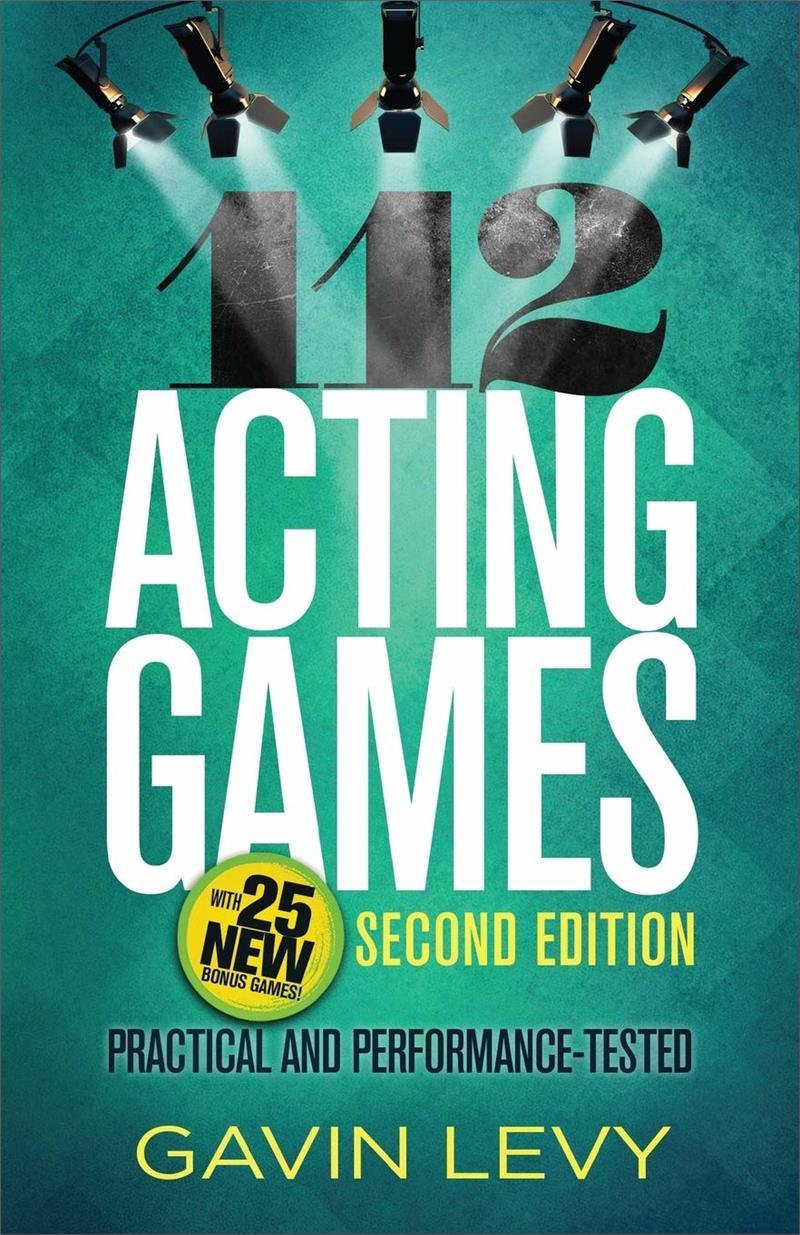
112 Acting Games
Gavin Levy
Related Games
Rashomon
Rashomon is a scene game in which a short incident is replayed multiple times, each time from the subjective perspective of a different character who was present. Each version portrays the same events differently, reflecting that character's biases, self-interest, and emotional truth. The contradictions between accounts create both comedy and dramatic tension. The game is named for Akira Kurosawa's 1950 film, which depicts the same violent incident through four irreconcilable testimonies.
Slomo Samurai
Slomo Samurai is a slow-motion combat game in which performers enact an elaborate fight scene at greatly reduced speed, creating dramatic tension and physical comedy through exaggerated martial arts movements, reactions, and death sequences.
Dubbing
Dubbing is a performance game in which one performer provides the physical actions for a character while a separate performer supplies that character's voice from offstage or from behind. The deliberate separation of voice and body creates inherent comedy as the two performers attempt to synchronize, producing a character that appears to have a mind of its own. Dubbing trains complementary skills: the body performer must generate clear, readable physical actions, while the voice performer must interpret and justify those movements through dialogue. The game appears across many short-form formats and is one of the most audience-accessible improv games due to its immediately visible comic mechanism.
Melodrama
Melodrama is a genre game in which performers play a scene in the style of exaggerated theatrical melodrama, complete with a twirling villain, a noble hero, and a character in peril. The audience is encouraged to cheer the hero and boo the villain, creating an interactive performance dynamic. The game trains performers in broad physical and vocal choices, rewards full commitment to heightened emotional stakes, and demonstrates how genre conventions provide a shared framework that simplifies scene construction while amplifying entertainment value.
Hesitation
Hesitation is a scene game in which performers deliberately pause before delivering each line, as though searching for the right words. The forced pauses change the scene's rhythm and reveal subtext that rapid-fire delivery obscures. Silence becomes an active tool: each pause creates anticipation, exposes the character's internal process, and gives the audience time to read the emotional undercurrents of the scene. The game trains performers to use silence as a dramatic instrument rather than treating it as dead space to be filled.
How to Reference This Page
The Improv Archive. (2026). Kurosawa. Retrieved October 15, 2026, from https://improvarchive.org/games/kurosawa
The Improv Archive. "Kurosawa." The Improv Archive, 2026. https://improvarchive.org/games/kurosawa.
The Improv Archive. "Kurosawa." The Improv Archive, 2026, https://improvarchive.org/games/kurosawa. Accessed October 15, 2026.
The Improv Archive is a systemically maintained repository. The archive itself acts as the corporate author.