Lounge Singer
Lounge Singer is a musical performance game in which a performer adopts the persona of a Vegas-style lounge entertainer and sings improvised songs about topics suggested by the audience. The exaggerated showmanship of the lounge act provides a strong character framework for musical improvisation: the performer can address the audience directly, banter between songs, and treat every topic with the same overblown sincerity. The game rewards vocal confidence, the ability to write lyrics in real time, and the commitment to maintain a larger-than-life persona throughout the performance.
Structure
One performer takes the stage as the lounge singer, typically with a spotlight, a microphone (real or imagined), and the persona of a seasoned nightclub entertainer. The performer introduces themselves with a stage name and establishes the character's style: smooth crooner, aging rock star, earnest balladeer, or brassy show-tune performer.
The audience suggests topics for songs. The lounge singer takes each suggestion and performs an improvised song, drawing on familiar musical styles and the conventions of the nightclub act: intimate asides to the audience, dramatic key changes, spoken-word bridges, and exaggerated emotional delivery.
Between songs, the performer remains in character, bantering with the audience, telling anecdotes, and building the lounge singer's backstory. These between-song moments provide rest for the singer and build the character's personality.
A musician accompanies the performer, following the singer's lead on tempo, style, and key changes. The musical relationship between singer and accompanist drives the act's quality.
The game runs for fifteen to thirty minutes as a standalone performance piece or for five to ten minutes as a segment within a longer show. The act concludes with a final number that heightens the lounge persona to its peak.
How to Teach It
How to Explain It
"You are a lounge singer performing at the most interesting venue in the world. The scene playing out around you is your material. Between your numbers, comment on what you just witnessed. Make anything the subject of a song. The persona is the protection."
Lounge Singer is an effective game for building musical improv confidence because the persona provides cover. Performers who are intimidated by singing in front of an audience discover that the lounge character absorbs the risk: any vocal imperfection is the character's imperfection, not the performer's. The persona creates a safe distance between performer and performance.
Coach for character consistency above musical quality. A performer with a mediocre voice and a fully committed lounge persona is more entertaining than a strong singer with no character. The game is a character piece that happens to involve music, not a musical piece that happens to involve character.
The between-song patter is where newer performers often struggle. Coach performers to develop the character's backstory, opinions, and relationship with the audience before the show. A lounge singer who can fill the gaps between songs with specific, character-driven banter maintains the audience's engagement throughout.
The game teaches performers to sustain a character for an extended period, a skill that transfers to long-form formats where characters must remain consistent across multiple scenes.
How to Perform It
The persona is the game's foundation. A lounge singer who drops character between songs loses the audience. The character must be maintained from the first introduction through the final bow, including the transitions between songs. The banter between numbers is as important as the songs themselves.
The musical style should be consistent with the persona. A lounge singer who has established a smooth, jazz-adjacent style should not suddenly perform a punk song (unless the character break is intentional and comedic). The music must serve the character.
Lyrics should prioritize rhythm and rhyme over cleverness. An improvised song that scans well and rhymes consistently creates the illusion of preparation, which is the lounge act's central conceit. A song with clever content but broken rhythm breaks the musical illusion.
Audience interaction distinguishes the lounge singer from other musical improv formats. The performer speaks directly to audience members, dedicates songs, and treats the audience as nightclub patrons. This direct engagement creates a unique performance dynamic that fourth-wall-respecting formats cannot achieve.
Worth Reading
See all books →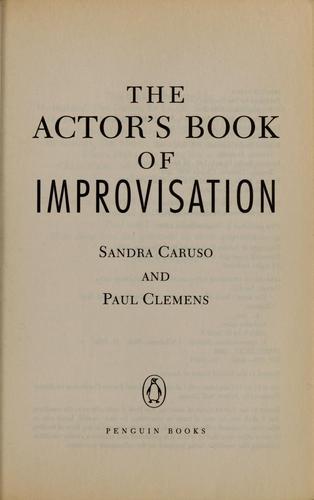
The Actor's Book of Improvisation
Sandra Caruso; Paul Clemens
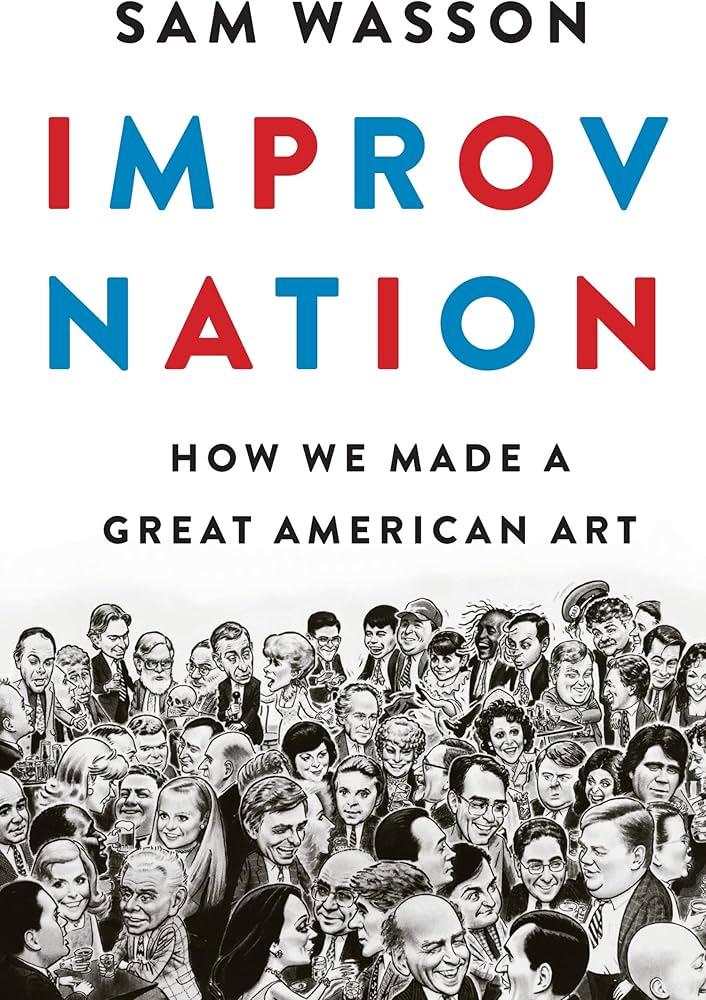
Improv Nation
How We Made a Great American Art
Sam Wasson

The Ultimate Improv Book
A Complete Guide to Comedy Improvisation
Edward J. Nevraumont; Kurt Smeaton; Nicholas P. Hanson
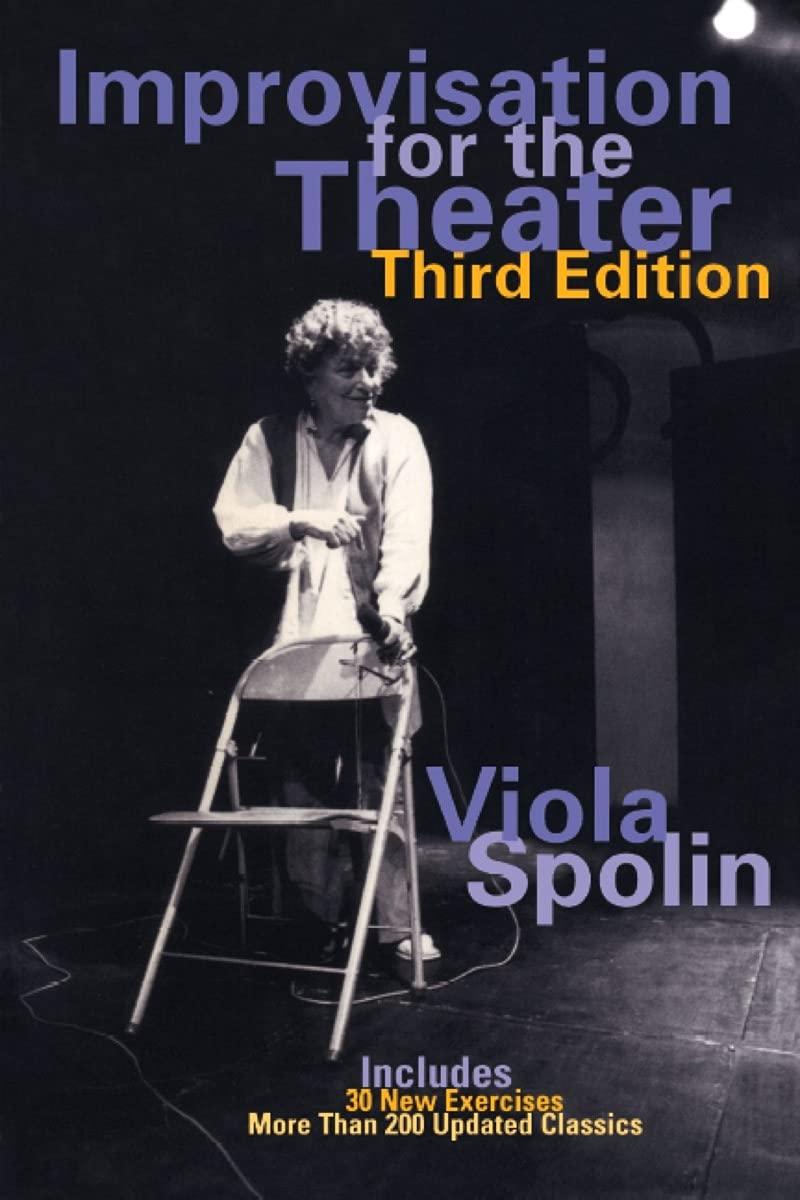
Improvisation for the Theater
A Handbook of Teaching and Directing Techniques
Viola Spolin
The Improvisation Game
Discovering the Secrets of Spontaneous Performance
Chris Johnston

Pirate Robot Ninja
An Improv Fable
Billy Merritt; Will Hines
Related Games
Bartender
Bartender is a short-form guessing game in which one player tends bar while several patrons, each endowed with a secret character trait, identity, or quirk by the audience, attempt to communicate their assignments through behavior, dialogue, and physical choices. The bartender must identify each patron's secret while maintaining the scene and keeping the bar running. The game belongs to the family of guessing games (alongside Party Quirks and Psychiatrist) and creates comedy through the tension between the patrons' increasingly obvious clues and the bartender's attempts to decode them. The bar setting provides a natural framework for one-on-one interactions, character reveals, and the rotating focus that guessing games require.
Doo Wop
Doo Wop is a musical performance game in which performers create an improvised song in the style of 1950s doo-wop, complete with harmonizing backup vocals and a lead singer. The familiar genre conventions provide a strong structural scaffold: backup singers maintain a simple repeating pattern while a lead singer improvises melody and lyrics, and the whole ensemble moves and vocalizes within the style's recognizable idiom.
Alter Ego
Alter Ego is a short-form scene game in which each main character has a second performer standing directly behind them who voices the character's inner thoughts. Two players perform a scene with dialogue and action while their respective alter egos narrate the unspoken subtext: desires, fears, judgments, and contradictions that the characters would never say aloud. The contrast between what a character says publicly and what they actually think generates natural comedy and dramatic irony. The game highlights the role of subtext in scene work and rewards performers who create clear, exploitable gaps between surface behavior and true feelings. Alter Ego appears across multiple improv traditions and is documented in Andy Goldberg's Improv Comedy among other sources.
Blues Jam
Blues Jam is a musical improv game in which performers sing improvised blues verses based on audience suggestions. The twelve-bar blues structure provides a reliable musical framework that supports even novice singers. The game rewards emotional commitment and the ability to find humor or pathos in everyday situations.
Taxi Driver
Taxi Driver is a scene game in which one performer plays a cab driver who picks up a series of passengers, each with a distinct character, problem, or energy. The confined setting of the cab creates an intimate stage that tests the driver's ability to respond to radically different personalities in sequence. A rotating variant has each new passenger take over the driver role, turning the game into a continuous character-handoff chain.
Dubbing
Dubbing is a performance game in which one performer provides the physical actions for a character while a separate performer supplies that character's voice from offstage or from behind. The deliberate separation of voice and body creates inherent comedy as the two performers attempt to synchronize, producing a character that appears to have a mind of its own. Dubbing trains complementary skills: the body performer must generate clear, readable physical actions, while the voice performer must interpret and justify those movements through dialogue. The game appears across many short-form formats and is one of the most audience-accessible improv games due to its immediately visible comic mechanism.
How to Reference This Page
The Improv Archive. (2026). Lounge Singer. Retrieved September 28, 2026, from https://improvarchive.org/games/lounge-singer
The Improv Archive. "Lounge Singer." The Improv Archive, 2026. https://improvarchive.org/games/lounge-singer.
The Improv Archive. "Lounge Singer." The Improv Archive, 2026, https://improvarchive.org/games/lounge-singer. Accessed September 28, 2026.
The Improv Archive is a systemically maintained repository. The archive itself acts as the corporate author.