Verses
Verses is a musical improv game in which performers trade improvised song verses on a given topic, each verse building on or responding to the previous one. The alternating structure creates a musical conversation that develops through successive exchanges, with each performer advancing the song's argument, narrative, or emotional arc. The game rewards lyrical creativity, melodic consistency, and the ability to support a partner's musical choices.
Structure
Setup
Two or more performers receive a suggestion from the audience: a topic, a relationship, or a phrase that becomes the song's subject. A musical accompanist establishes a tempo and key, or the performers establish a shared unaccompanied rhythm. Players agree on or are assigned verse order before beginning.
Gameplay
The first performer sings an opening verse, establishing the melody, the rhyme scheme, and the song's initial emotional tone. When the verse concludes, the second performer takes up the same melody and continues the song in a new verse, responding to or building on what the first performer established.
Each verse should advance the song's content rather than repeat or restate what came before. The conversation between verses creates the song's dramatic arc: agreement, disagreement, escalation, resolution, or revelation. Players who treat each verse as an isolated performance miss the game's core mechanic, which is the cumulative development of a shared musical argument.
The game concludes when the song reaches a natural resolution, a shared climax, or a predetermined number of verses.
Debrief
After the game, players reflect on where the verse exchanges felt connected versus disconnected. The most productive debriefs focus on moments where a performer responded specifically to what the previous verse established versus moments where they began a new verse without referencing what came before. Musical specificity (picking up a melodic motif from the previous verse, echoing a lyrical phrase) is the primary skill being developed.
How to Teach It
How to Explain It
"The scene continues, but in verse. The meter is yours to decide. The rhyme scheme is yours. When it is your turn to speak, speak in verse. The content of the scene is real. The form is musical."
Objectives
Verses develops two skills simultaneously. The first is musical responsiveness: the ability to hear a partner's verse and respond to its specific content, melody, and emotional register rather than performing a new independent verse. This is the same skill as scenic listening, applied in a musical context. The second is song architecture: understanding how a verse builds, sustains, and resolves a musical argument.
Scaffolding
Begin with an exercise in which players trade spoken couplets (no melody required) on a given topic, requiring each couplet to reference the previous one directly. This trains responsive content without the additional demands of melody and rhyme.
Once players can trade responsive spoken couplets, add a simple unaccompanied melody: a fixed, repeated phrase of four or eight beats that players must fit their verses into. This removes key selection and tempo negotiation from the learning challenge, letting players focus on content and responsiveness.
For groups with musical facility, introduce chord accompaniment and encourage players to vary tempo and dynamics between verses in ways that respond to emotional content.
Common Coaching Notes
- "What did your partner just say? Say something that responds to that."
- "Keep the same melody. Your job is to fill it with new content, not to write a new song."
- "Each verse should move the song forward. Where did we start, and where are we now?"
- "Match your partner's energy before you change it."
How to Perform It
The game's central performance challenge is maintaining melodic consistency while advancing the lyrical content. Performers who change the melody between verses break the audience's expectation of a unified song; those who repeat the same lyrical content in each verse fail to develop the musical conversation.
Diggles notes that the most effective improvised songs follow structural conventions the audience already knows from popular music: a clear verse structure, a consistent rhyme scheme, and a sense of building toward a resolution. Performers who understand song architecture, even intuitively, can use these conventions to make verse exchanges feel inevitable rather than arbitrary.
In performance, the verse-trading format benefits from commitment to a consistent emotional register. A verse that is playful followed by one that is melancholic breaks the song's emotional logic unless the shift is dramatically earned. The best verse exchanges build continuously toward a shared emotional climax.
History
The practice of improvised verse exchange has deep roots in oral literary traditions across cultures. Timothy McGee in Improvisation in the Arts of the Middle Ages and Renaissance (2003) documents that extemporizing verses and singing improvised songs to one's own accompaniment were recognized performance skills in medieval Europe, part of a broader tradition of oral improvisation that preceded formalized theatrical practice.
As a structured short-form game, Verses is a common feature of musical improv programs. Dan Diggles in Improv for Actors (2004) discusses the AABA song structure (three verses sharing the same melody and tag line with a contrasting bridge verse) as the foundational form for improvised songs, providing a structural template within which verse-trading games operate. No single originator of the Verses game in its modern improv form has been documented in published sources.
Worth Reading
See all books →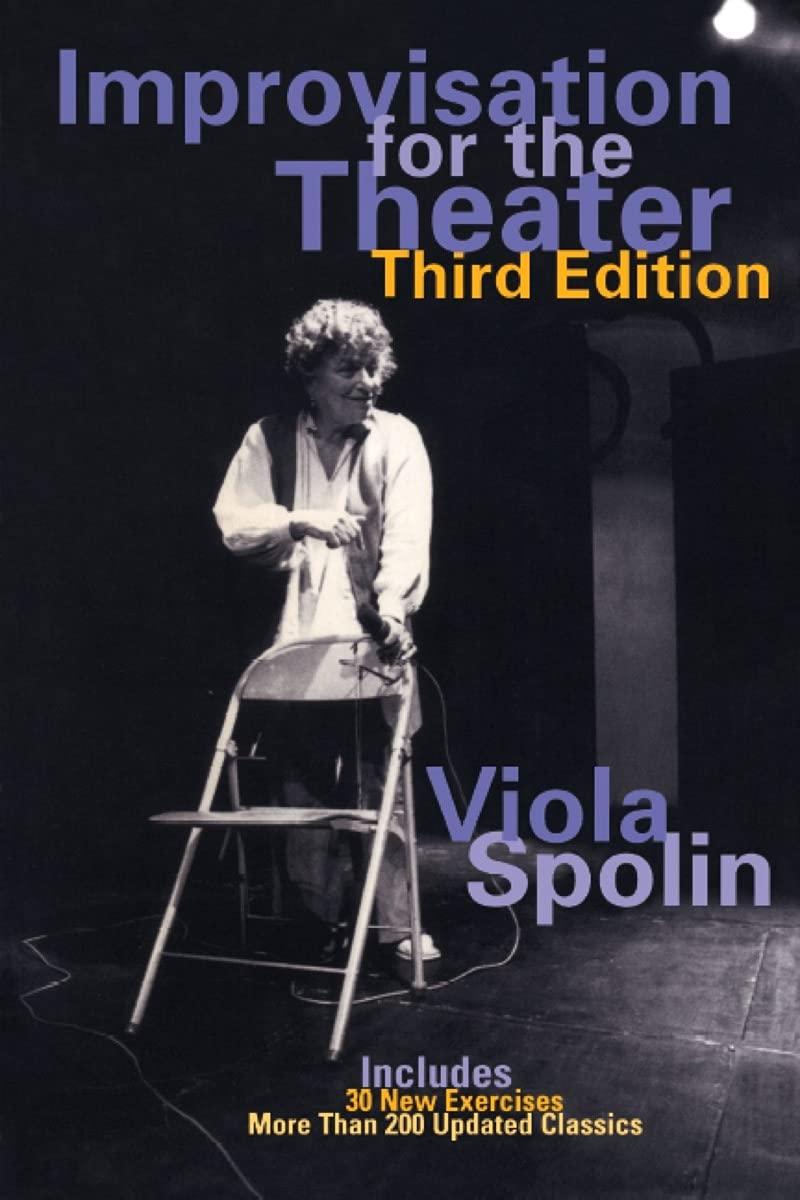
Improvisation for the Theater
A Handbook of Teaching and Directing Techniques
Viola Spolin
Improv for Actors
Dan Diggles

The Improvisation Edge
Secrets to Building Trust and Radical Collaboration at Work
Karen Hough

Improvising Now
A Practical Guide to Modern Improv
Rob Norman
The Improvisation Game
Discovering the Secrets of Spontaneous Performance
Chris Johnston

Theatrical Improvisation, Consciousness, and Cognition
Clayton D. Drinko
Related Games
Rhymes
Rhymes is a short-form game in which performers must end every line of dialogue with a word that rhymes with the previous line's final word. Players advance a scene while satisfying this linguistic constraint, creating comic pressure through the constant risk of hesitation or failure. The game rewards broad vocabulary, quick verbal recall, and the ability to keep a scene moving while navigating a demanding formal structure.
Blues Jam
Blues Jam is a musical improv game in which performers sing improvised blues verses based on audience suggestions. The twelve-bar blues structure provides a reliable musical framework that supports even novice singers. The game rewards emotional commitment and the ability to find humor or pathos in everyday situations.
Rap Battle
Rap Battle is a musical improv game in which two performers trade improvised rap verses, each responding to the other's lines with rhymes, wordplay, and escalating wit. The game combines freestyle vocal performance with the competitive energy of hip-hop battle culture, creating a high-energy audience experience.
Script Tease
Script Tease is a short-form game in which performers hold actual scripts or random text and must incorporate the written lines into their improvised scene, reading from the page at key moments while making the pre-written text fit naturally within the context of the scene.
Ping Pong Ballad
Ping Pong Ballad is a musical improv game in which two performers or pairs alternate singing verses of an improvised ballad. Each side picks up where the other left off, maintaining the melody, rhyme scheme, and narrative thread while adding new developments to the story.
Song Style Galore
Song Style Galore is a musical improv game in which performers must sing improvised songs in a variety of musical styles called out by the host or audience. Each new style requires an instant shift in melody, rhythm, vocal quality, and lyrical approach while maintaining a coherent topic.
How to Reference This Page
The Improv Archive. (2026). Verses. Retrieved September 28, 2026, from https://improvarchive.org/games/verses
The Improv Archive. "Verses." The Improv Archive, 2026. https://improvarchive.org/games/verses.
The Improv Archive. "Verses." The Improv Archive, 2026, https://improvarchive.org/games/verses. Accessed September 28, 2026.
The Improv Archive is a systemically maintained repository. The archive itself acts as the corporate author.