The Band
The Band is a musical improv game in which performers form a fictional band, complete with an audience-suggested name and genre, and perform original songs on the spot. The game includes in-character banter between songs, introductions, and crowd interaction that develops the band's fictional identity. It rewards musical confidence, ensemble coordination, and the ability to commit to a shared musical persona.
Structure
Setup
The audience suggests a band name and a musical genre (or both may be combined into a single suggestion: "Name this band and tell us what kind of music they play."). Performers may also take suggestions for a specific song title or subject. Performers take on distinct roles within the band: lead singer, guitarist, drummer, bassist, keyboard player, or others as needed. The roles may be assigned or claimed.
Gameplay
The game proceeds as a simulated concert. The band leader (lead singer or a self-appointed MC) introduces the band, thanks the audience for coming, and introduces the first song. Songs are performed entirely improvised: lyrics, melody, and instrumental accompaniment (mimed or played live if musicians are present) are created in the moment.
Between songs, the band maintains the fictional performance context: backstory, band relationships, tour anecdotes, and in-character commentary create the fiction of a real band with a real history. The audience suggestion gives the band its identity; the performers' commitment to that identity sustains the game.
Typical game structure includes two to three songs with inter-song banter. The songs may be connected thematically (all about the same subject), or the banter between songs may develop a narrative about the band's history or current situation that gives the game a through-line beyond the musical performances.
Debrief
After the game, performers discuss where the band's identity felt specific versus generic. The strongest performances create a distinctive band personality: a specific sound, aesthetic, and interpersonal dynamic that makes this band different from every other improvised band. Performers who remain generic (any rock band, any country singer) produce less compelling performances than those who commit to particulars.
How to Teach It
How to Explain It
"You are a band. Get a band name from the audience. Get a genre. Now: you are performing a set. Between songs, you are still the band, talking to each other in character. The songs are improvised. The band's personality, dynamics, and story develop across the performance."
Objectives
The Band develops sustained character commitment across a multi-song performance structure. Unlike single-song games, The Band requires performers to maintain a fiction between musical moments, developing a consistent character and ensemble dynamic that builds across the performance. This is closer to long-form scene work than to single-song games.
The game also develops musical ensemble awareness: performers must listen to each other's melodic and rhythmic choices and support a shared musical identity rather than each performing their own independent song.
Scaffolding
Begin by establishing the band identity before performing any music: who is this band? What is their relationship? What is their backstory? Having players briefly discuss (in character) before beginning the performance gives the ensemble a shared foundation to build from.
For groups with limited musical experience, establish a simple melodic and rhythmic template (a fixed chord progression or a consistent rhythmic pattern) before beginning. This reduces the cognitive load of musical invention and allows performers to focus on character and lyrics.
Common Coaching Notes
- "Tell us about your band. We want to know who you are before you start playing."
- "Stay in the band even when you're not singing. What does your character do during the guitar solo?"
- "Genre means everything. Play this genre specifically, not generically."
- "The audience wants to believe in this band. Give them reasons to."
How to Perform It
The game's central challenge is the dual commitment required: performers must simultaneously be themselves (creating lyrics and melodies in the moment) and their characters (maintaining the fictional band persona). Performers who prioritize one at the expense of the other produce either technically accomplished but characterless performances or strongly characterized but musically hollow ones.
The most effective band performances develop the fiction between songs as aggressively as they develop the music during songs. Audience members often remember the banter, the backstory, and the inter-band dynamics as vividly as they remember specific songs. A compelling fictional band identity requires as much invention as a compelling improvised song.
Musical genre specificity is the fastest route to a distinctive band identity. A band that commits to the specific conventions of a specific genre (its rhythmic patterns, lyrical concerns, costume conventions, and audience relationships) will feel more real and more interesting than one that plays generic "rock" or generic "country."
History
The Band is a common form in musical improv programs, representing a theatrical extension of the short-form song game: rather than performing isolated songs, performers sustain a fictional performance identity across multiple songs and the connective tissue between them. The game derives its structure from the concert format, appropriating the conventions of real-world band performances (introductions, banter, encore) for improvisational use.
No individual originator of The Band in its modern improv form has been documented in published sources. The game belongs to a broader category of musical improv structures that developed across short-form programs in the 1980s and 1990s as musical improv became a more prominent component of the short-form repertoire.
Worth Reading
See all books →
The Routledge Companion to Improvisation in Organizations
Miguel Pina e Cunha; Dusya Vera; António Cunha Meneses
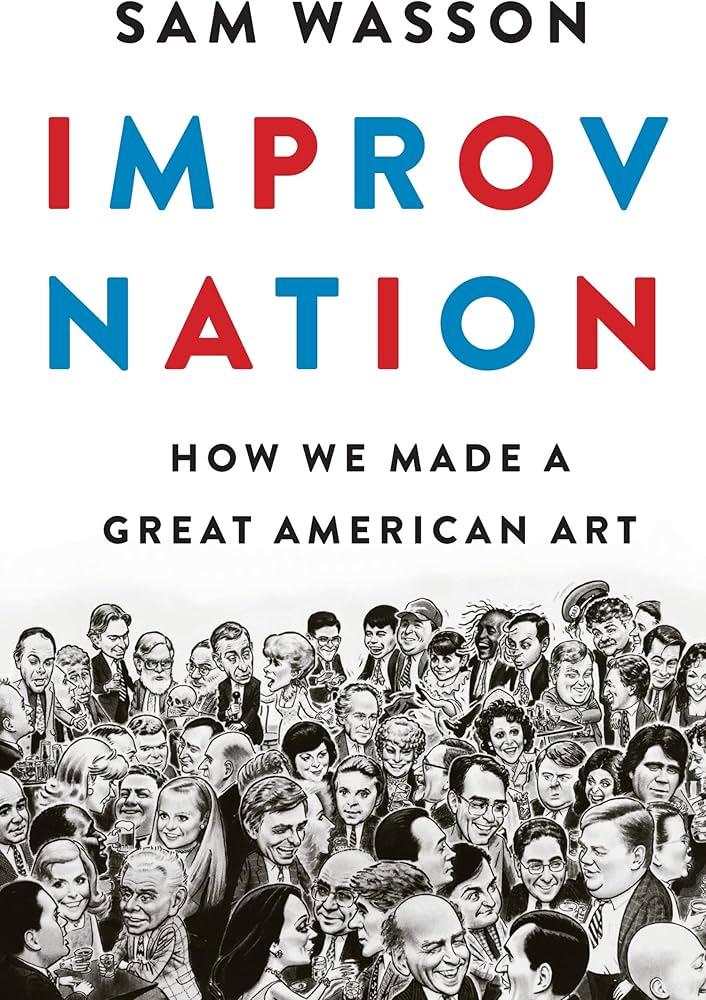
Improv Nation
How We Made a Great American Art
Sam Wasson

Improvisation for Actors and Writers
A Guidebook for Improv Lessons in Comedy
Bill Lynn
The Improvisation Book
How to Conduct Successful Improvisation Sessions
John S.C. Abbott

Group Improvisation
The Manual of Ensemble Improv Games
Peter Campbell Gwinn; Charna Halpern
The Improvisation Game
Discovering the Secrets of Spontaneous Performance
Chris Johnston
Related Games
Protest Song
Protest Song is a musical improv game in which performers compose and deliver an improvised protest song about a topic suggested by the audience. The performers channel righteous indignation, folk-music sincerity, and escalating absurdity as they rally the audience around a cause that may be trivial, serious, or surreal.
The Party
The Party is an improvisational game in which players take on character identities and interact at a simulated social gathering. In the most widely documented variant, each player is assigned a character they do not know (the identity is written on a card or otherwise concealed) and fellow guests drop subtle conversational hints to help the player deduce who they are. The game develops listening, subtext, and character awareness simultaneously.
Blues Jam
Blues Jam is a musical improv game in which performers sing improvised blues verses based on audience suggestions. The twelve-bar blues structure provides a reliable musical framework that supports even novice singers. The game rewards emotional commitment and the ability to find humor or pathos in everyday situations.
Doo Wop
Doo Wop is a musical performance game in which performers create an improvised song in the style of 1950s doo-wop, complete with harmonizing backup vocals and a lead singer. The familiar genre conventions provide a strong structural scaffold: backup singers maintain a simple repeating pattern while a lead singer improvises melody and lyrics, and the whole ensemble moves and vocalizes within the style's recognizable idiom.
Blind Musical
Blind Musical is a short-form musical game in which performers create an improvised musical number without knowing the scene's premise, the musical style, or other key information. The constraints force pure instinctive creation and test the ensemble's ability to build coherent music from minimal shared context. The game rewards musical confidence and collaborative listening.
Lounge Singer
Lounge Singer is a musical performance game in which a performer adopts the persona of a Vegas-style lounge entertainer and sings improvised songs about topics suggested by the audience. The exaggerated showmanship of the lounge act provides a strong character framework for musical improvisation: the performer can address the audience directly, banter between songs, and treat every topic with the same overblown sincerity. The game rewards vocal confidence, the ability to write lyrics in real time, and the commitment to maintain a larger-than-life persona throughout the performance.
How to Reference This Page
The Improv Archive. (2026). The Band. Retrieved September 29, 2026, from https://improvarchive.org/games/the-band
The Improv Archive. "The Band." The Improv Archive, 2026. https://improvarchive.org/games/the-band.
The Improv Archive. "The Band." The Improv Archive, 2026, https://improvarchive.org/games/the-band. Accessed September 29, 2026.
The Improv Archive is a systemically maintained repository. The archive itself acts as the corporate author.