Master Servant Disaster
Master Servant Disaster is a short-form status game in which three performers play a fixed hierarchy -- a master, a servant, and a source of chaos or disaster -- and the scene explores how the hierarchy is maintained, subverted, and disrupted by each character's specific role. The game rewards precise status differentiation, with the servant navigating between deference to the master and creative management of the disaster, while the disaster element continuously upends the established order.
Structure
Setup
Three performers are assigned roles: the Master (high status, authority, specific demands), the Servant (intermediate status, focused on managing the Master's needs), and the Disaster (an agent of chaos -- an event, character, or force that consistently undermines the established order). An audience suggestion establishes the setting and the nature of the disaster.
Progression
The scene plays as a status triangle: the Master gives instructions or expects deference; the Servant attempts to comply while simultaneously managing the ongoing effects of the Disaster; and the Disaster introduces complications that make the Servant's task progressively more difficult.
The Disaster element may be a character (a hyperactive child, an incompetent assistant), an environmental condition (a storm, a flood), or an ongoing event that the Servant must address while maintaining appropriate deference to the Master.
Ending
The scene ends when the disaster has been resolved (or accepted), when the hierarchy has been fundamentally altered, or when the host determines the scene has reached its comic or narrative peak.
How to Teach It
Objectives
Master Servant Disaster trains precise status differentiation across three distinct levels and the ability to sustain character-specific behavior under escalating pressure. The Servant role is the most demanding: it requires maintaining high deference to the Master while actively managing the Disaster without collapsing the hierarchy.
How to Explain It
"The Master is always right, even when they're wrong. The Servant's job is to make the Master happy while keeping everything from falling apart. The Disaster is the thing that makes that impossible. All three of you are fully committed to your role at all times."
Scaffolding
Begin with clear, simple disaster elements before introducing complex or abstract ones. The game requires all three performers to understand their role precisely; take time in the setup phase to confirm each performer's specific objective before beginning.
Common Pitfalls
The Servant often collapses the status differentiation by being too competent (which removes the pressure) or too overwhelmed (which removes all forward motion). Coach the Servant to find the narrow register of effortful almost-success that generates the game's primary tension.
How to Perform It
Audience Intro
"Three characters, three very different jobs: the master, the servant trying to keep everything together, and something that's making everything fall apart. What's the setting, and what's the disaster?"
Cast Size
Exactly 3 performers.
Staging
The Master occupies a dominant, relatively stationary position. The Servant moves actively between the Master and the Disaster's zone of influence. The Disaster occupies or moves through the downstage area to remain visible to the audience.
Wrap-Up Logic
End when the Servant has either succeeded or definitively failed to manage both the Master and the Disaster, or when the Disaster has grown beyond all possibility of containment. A clear final beat works better than a scene that gradually loses energy.
Worth Reading
See all books →
Pirate Robot Ninja
An Improv Fable
Billy Merritt; Will Hines

The Improvisation Game
Discovering the Secrets of Spontaneous Performance
Chris Johnston

Impro
Improvisation and the Theatre
Keith Johnstone

Drama Games and Improvs
Games for the Classroom and Beyond
Justine Jones; Mary Ann Kelley
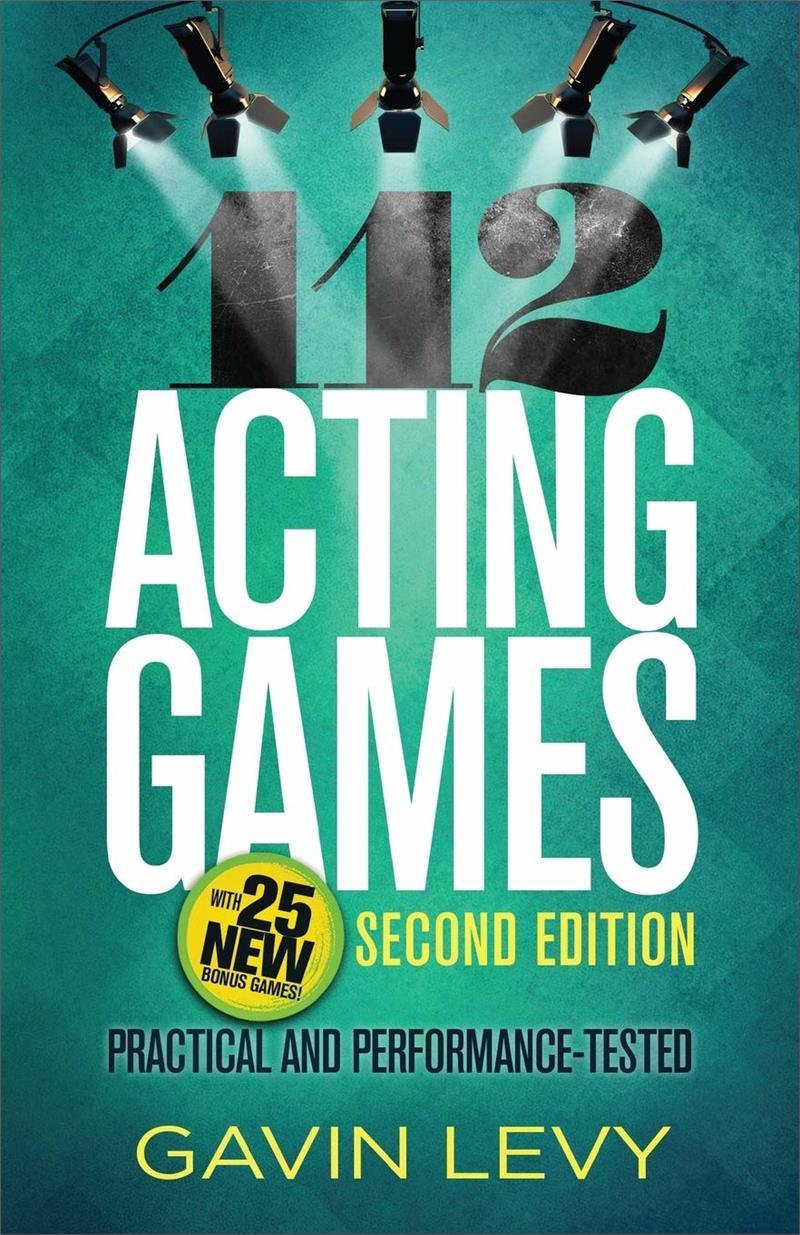
112 Acting Games
Gavin Levy

Impro for Storytellers
Keith Johnstone
Related Games
Instruction Manual Die
Instruction Manual Die is a scene game in which performers consult a fictional instruction manual for guidance during a crisis, task, or unfamiliar situation, reading aloud the manual's absurd, contradictory, or incomprehensible instructions and attempting to follow them. The game creates comedy through the gap between the manual's assumed authority and its complete uselessness in the actual situation. The game rewards confident delivery of nonsensical directions and commitment to following instructions that cannot possibly help.
3 Series
3 Series is a short-form game in which three unrelated scenes run simultaneously. The host or caller switches between the scenes, and performers must pick up each thread exactly where it left off. The game tests memory, commitment, and the ability to sustain multiple narratives at once.
Caligula
Caligula is a short-form game in which one player assumes the role of an all-powerful emperor who can demand anything of the other performers. Scene partners must comply with increasingly absurd commands while maintaining their own characters and the logic of the scene. The game explores status dynamics and rewards creative compliance.
How to Reference This Page
The Improv Archive. (2026). Master Servant Disaster. Retrieved September 28, 2026, from https://improvarchive.org/games/master-servant-disaster
The Improv Archive. "Master Servant Disaster." The Improv Archive, 2026. https://improvarchive.org/games/master-servant-disaster.
The Improv Archive. "Master Servant Disaster." The Improv Archive, 2026, https://improvarchive.org/games/master-servant-disaster. Accessed September 28, 2026.
The Improv Archive is a systemically maintained repository. The archive itself acts as the corporate author.