Continuing Styles
Continuing Styles is a scene game in which the performance style shifts at the host's command, moving through genres such as film noir, soap opera, Shakespeare, or horror. Performers must maintain the scene's established reality while instantly translating every element -- dialogue, physicality, relationships, and emotional stakes -- into the new style.
Structure
Setup
Two or more performers establish a scene with a location, relationship, and at least one established circumstance from an audience suggestion. The host prepares a list of performance styles or genres.
Style Calls
At any point, the host calls a new style. Performers immediately shift the entire scene into that register: their speech patterns, physical movement, emotional expression, and scene logic all transform to match the genre convention. The scene's underlying story continues; only the stylistic layer changes.
Style Bank
Common styles include: film noir, silent film, soap opera, Shakespeare, horror, musical, western, documentary, anime, nature documentary, Italian opera, children's television. The styles should be distinct enough in their conventions that each shift is clearly legible to the audience.
Conclusion
The host wraps when a sufficient number of styles have been cycled through or when a style produces a particularly strong comedic or dramatic culmination.
How to Teach It
Objectives
Continuing Styles targets stylistic range, the ability to maintain scene logic through external disruption, and the improvisers' knowledge of theatrical and cinematic genre conventions. It also trains the skill of translating the same underlying content into radically different forms.
How to Explain It
"You're playing a scene. The story keeps going no matter what. But when I call a style, everything changes: how you speak, how you move, how you feel. Same scene, different world."
Common Pitfalls
Performers often drop the scene's content when switching styles, starting fresh rather than continuing the established story. The game requires both: the new style and the existing scene. A second pitfall is performers who perform the style in isolation rather than translating the scene's specific content into the style; a soap opera version of a grocery store argument should feature the specific groceries and the specific argument, dramatized with soap opera conventions.
How to Perform It
Audience Intro
"Our performers are going to play a scene, but the style is going to change on my command. Every time I call a new genre, they switch instantly -- same story, completely different style. What should they be arguing about tonight?"
Cast Size
Two to four performers. The host manages style calls from outside the scene.
Staging
Standard scene space. Some styles may suggest specific spatial arrangements: film noir often plays in shadow and close angles, nature documentary requires a narrator posture, Shakespeare may require upstage-downstage formality.
Pacing
The game is strongest with a mix of brief fast styles and longer exploratory ones. Holding a style for thirty to forty-five seconds allows performers to find something genuinely within the genre before calling the next. Brief holds of ten to fifteen seconds create comic contrast when dropped into the middle of a developed moment.
Wrap Logic
End on a style that produces genuine convergence between the genre and the scene's emotional content. A horror or tragedy style applied to a mundane domestic scene at its most emotionally elevated moment often produces the strongest final image.
Worth Reading
See all books →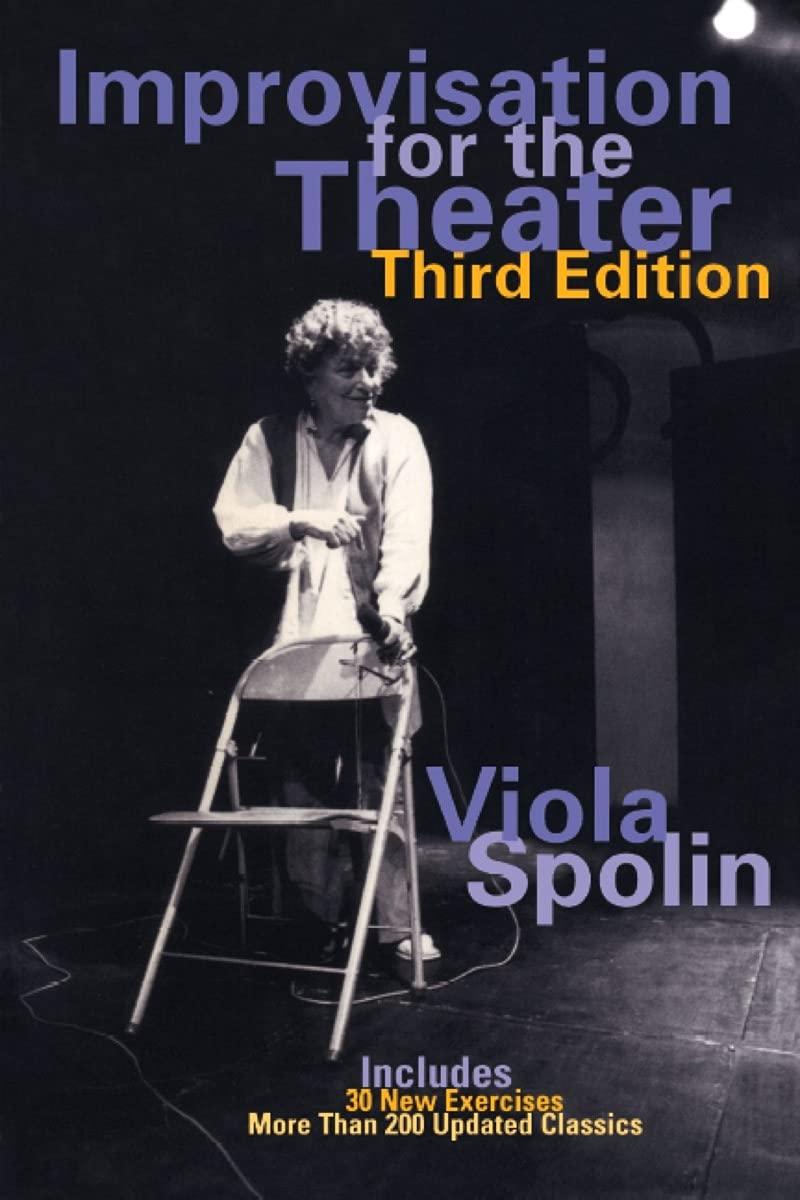
Improvisation for the Theater
A Handbook of Teaching and Directing Techniques
Viola Spolin

Improvising Now
A Practical Guide to Modern Improv
Rob Norman
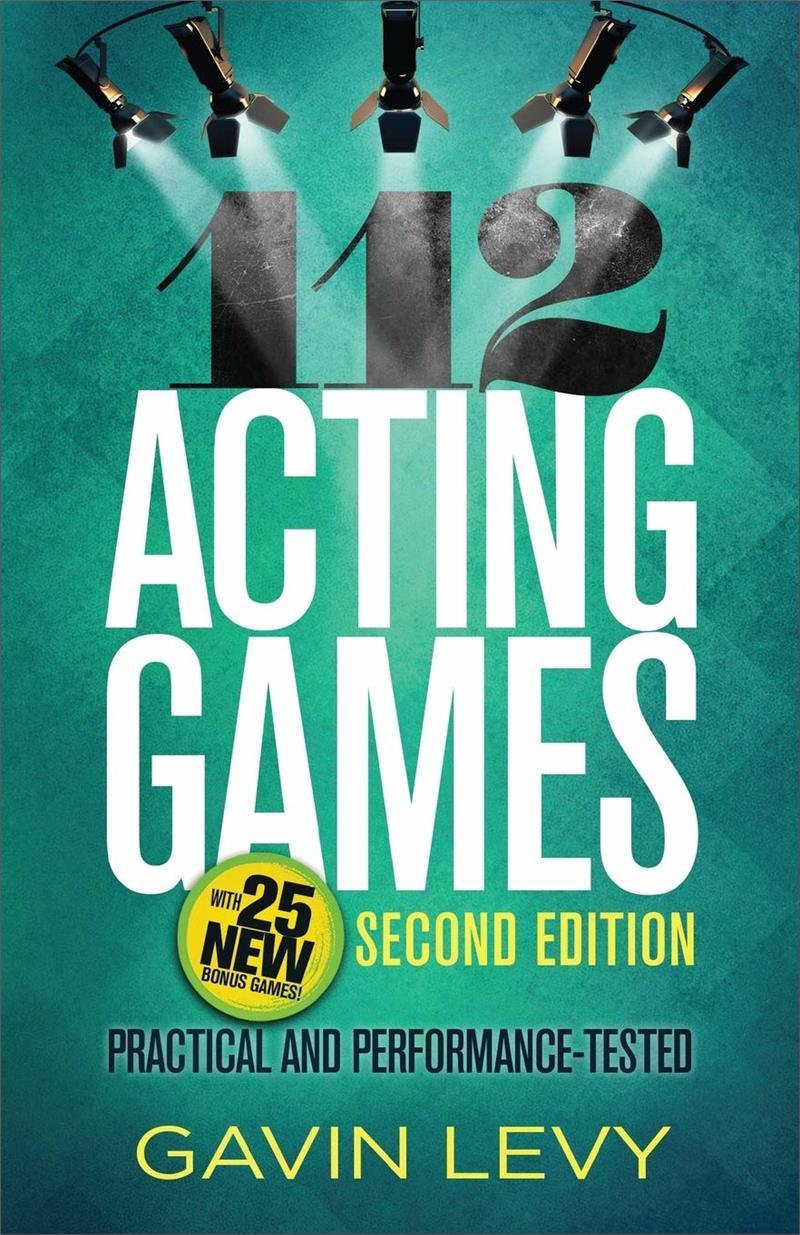
112 Acting Games
Gavin Levy
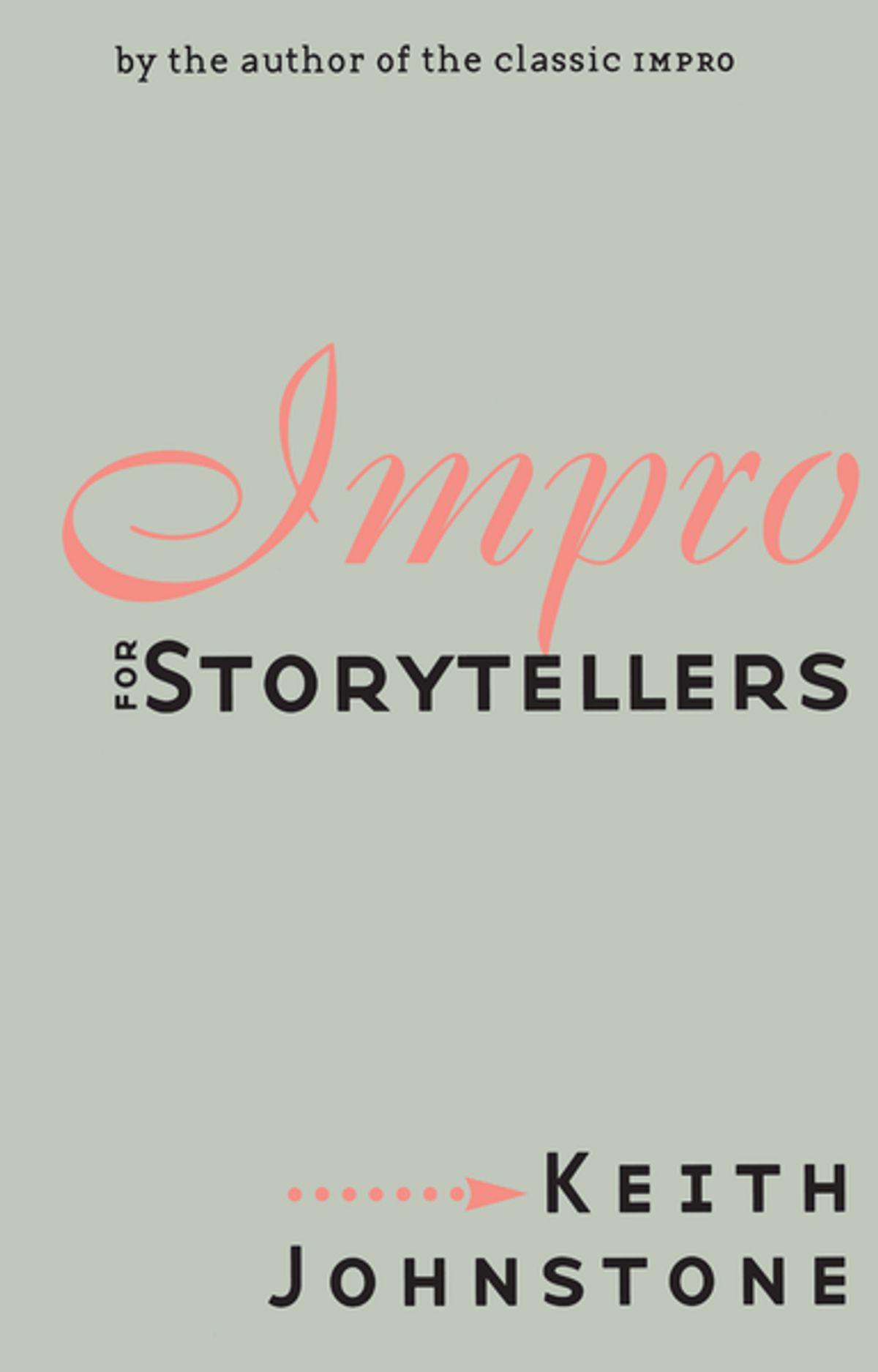
Impro for Storytellers
Keith Johnstone
Theater Games for Rehearsal
Viola Spolin

Acting Through Improv
Improv Through Theatresports
Lynda Belt; Rebecca Stockley
Related Games
Style Replay
Style Replay is a short-form game in which a scene is performed once, then replayed in a series of audience-suggested styles, genres, or performance traditions. Each replay transforms the same basic content through a completely different theatrical or cinematic lens.
Continuing Emotions
Continuing Emotions is a scene game in which performers cycle through a series of emotional states at the direction of a caller. Each emotional shift must be justified within the scene's reality rather than simply displayed, with characters finding a reason to feel the new state given what has just happened. The game trains emotional range, commitment, and the ability to sustain scene logic through rapid change.
Hat Continuation
Hat Continuation is a scene game in which characters are defined by the hats or costume pieces they wear. When the host freezes the scene and swaps a hat on a performer, that performer's character changes entirely to match the new headwear. The game rewards rapid character transformation, the ability to justify new character choices from an existing physical position, and the comedy of a scene's relationships shifting as characters are replaced.
Mega Replay
Mega Replay is a short-form game in which a scene or series of scenes is replayed multiple times, each time in a dramatically different style, genre, or emotional register. The game demonstrates the ensemble's range and versatility by showing the same material transformed across radically different theatrical and comedic conventions -- from opera to thriller, from silent film to children's television -- rewarding specificity of style and the audience's recognition of each new frame.
Meanwhile
Meanwhile is a short-form game in which multiple scenes run in parallel, connected by the transitional word that gives the game its name. When a player or host calls the transition, the current scene freezes and a new scene begins in a different location, time period, or context. The game trains performers in quick context-switching, scene memory, and the ability to pick up a frozen scene exactly where it left off. Callbacks and connections between the parallel storylines elevate the game from a scene-switching exercise into a web of interlocking narratives.
How to Reference This Page
The Improv Archive. (2026). Continuing Styles. Retrieved September 28, 2026, from https://improvarchive.org/games/continuing-styles
The Improv Archive. "Continuing Styles." The Improv Archive, 2026. https://improvarchive.org/games/continuing-styles.
The Improv Archive. "Continuing Styles." The Improv Archive, 2026, https://improvarchive.org/games/continuing-styles. Accessed September 28, 2026.
The Improv Archive is a systemically maintained repository. The archive itself acts as the corporate author.