Old Job New Job
Old Job New Job is a short-form game in which one performer plays a character in their current occupation while simultaneously being haunted by habits, skills, and reflexes from a completely unrelated previous career. The comedy arises from the collision of two incompatible professional worlds within a single person.
Structure
Setup
One or two performers take the stage. The audience provides two occupations: the character's current job and their previous job. The current job is the scene's setting; the old job is the source of intrusion.
Progression
The scene begins with the performer working competently in their current occupation. As the scene progresses, habits from the old job begin bleeding through: a surgeon who used to be an auctioneer starts talking faster and louder as the operation intensifies, a kindergarten teacher who used to be a drill sergeant addresses the children with military precision.
The old job intrusions begin small and grow in frequency and intensity. The performer may try to suppress them, apologize for them, or be completely unaware that they are happening. Other performers in the scene react to the odd behavior, creating additional comic pressure.
Ending
The game ends when the old job has fully overtaken the new one, when the performer's dual identity has been exposed in a climactic moment, or when the host calls the scene at its comic peak.
How to Teach It
Objectives
Old Job New Job trains the game-of-the-scene mechanic: identifying one behavioral pattern and heightening it through repetition and escalation. It also develops the ability to sustain two competing character layers simultaneously.
How to Explain It
"You have a new job, but your old job keeps showing up in how you act. Start with small leaks from the old job and let them grow. By the end, the old job should be taking over."
Scaffolding
Begin with occupation pairs that have strong physical contrasts -- ballet dancer turned construction worker, opera singer turned librarian -- so the intrusions are immediately visible and audible. For advanced performers, use subtler contrasts that require more sophisticated behavioral choices. The escalation should follow a clear three-beat structure: small leak, noticeable pattern, full takeover.
Common Pitfalls
Performers sometimes start at full intensity, mixing both jobs from the first moment, which leaves nowhere to escalate. Coach them to earn the first intrusion by establishing the current job genuinely before the old one appears. A second pitfall is performers explaining the premise in dialogue ("Sorry, I used to be a...") rather than simply exhibiting the behavior and letting the audience discover the pattern.
How to Perform It
Audience Intro
"We need two jobs for our performer -- their current job, and what they used to do before. The old job never quite goes away."
Cast Size
One to three performers. The central performer carries the dual-occupation premise; scene partners provide context and reactions.
Staging
Set the scene in the current job's workplace. Physical space should be established clearly so the old-job intrusions contrast visibly with the environment.
Wrap-Up Logic
End when the old job has thoroughly infiltrated the new one. Two to three minutes gives enough time for the escalation to build through at least three clear levels.
Worth Reading
See all books →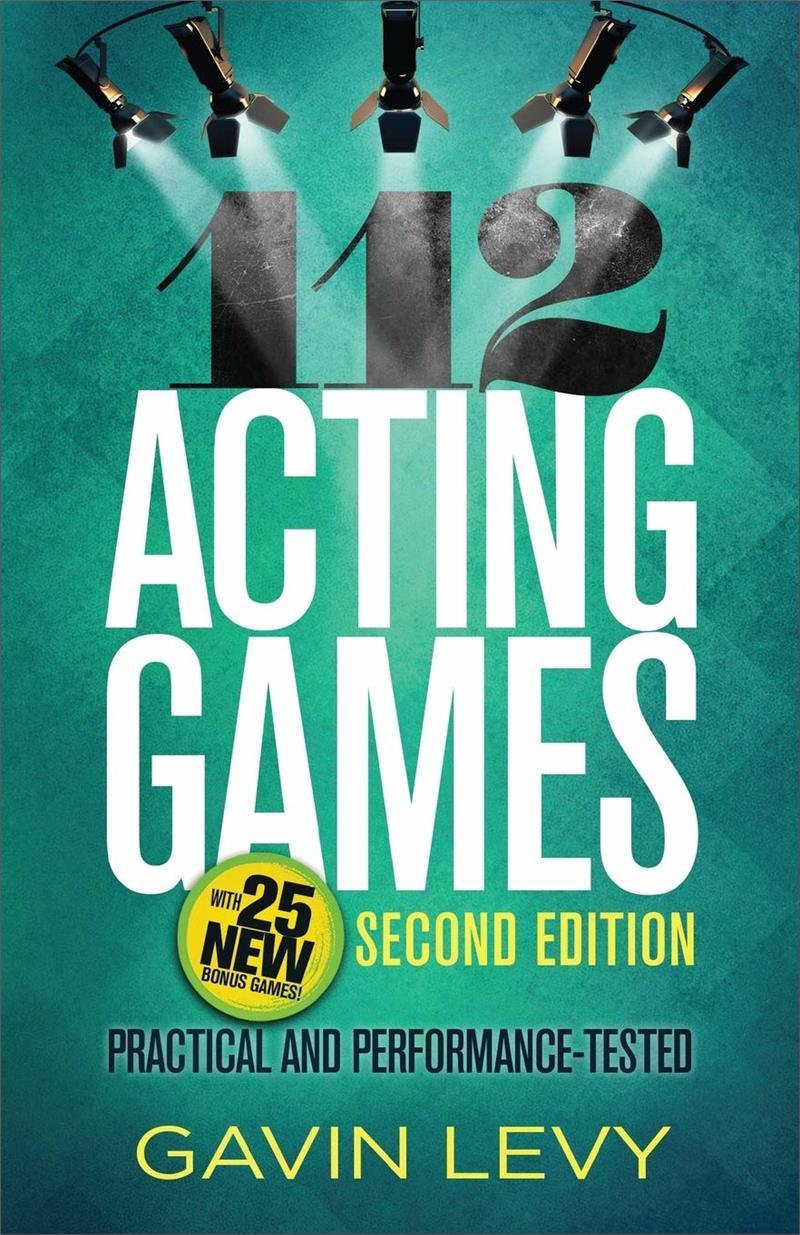
112 Acting Games
Gavin Levy

Something from Nothing
The Technique of Improvisation
Richard Goteri
Theater Games for Rehearsal
Viola Spolin

The Young Actor's Book of Improvisation
Dramatic Situations
Sandra Caruso; Susan Kosoff

Business Improv
Experiential Learning Exercises to Train Employees
Val Gee
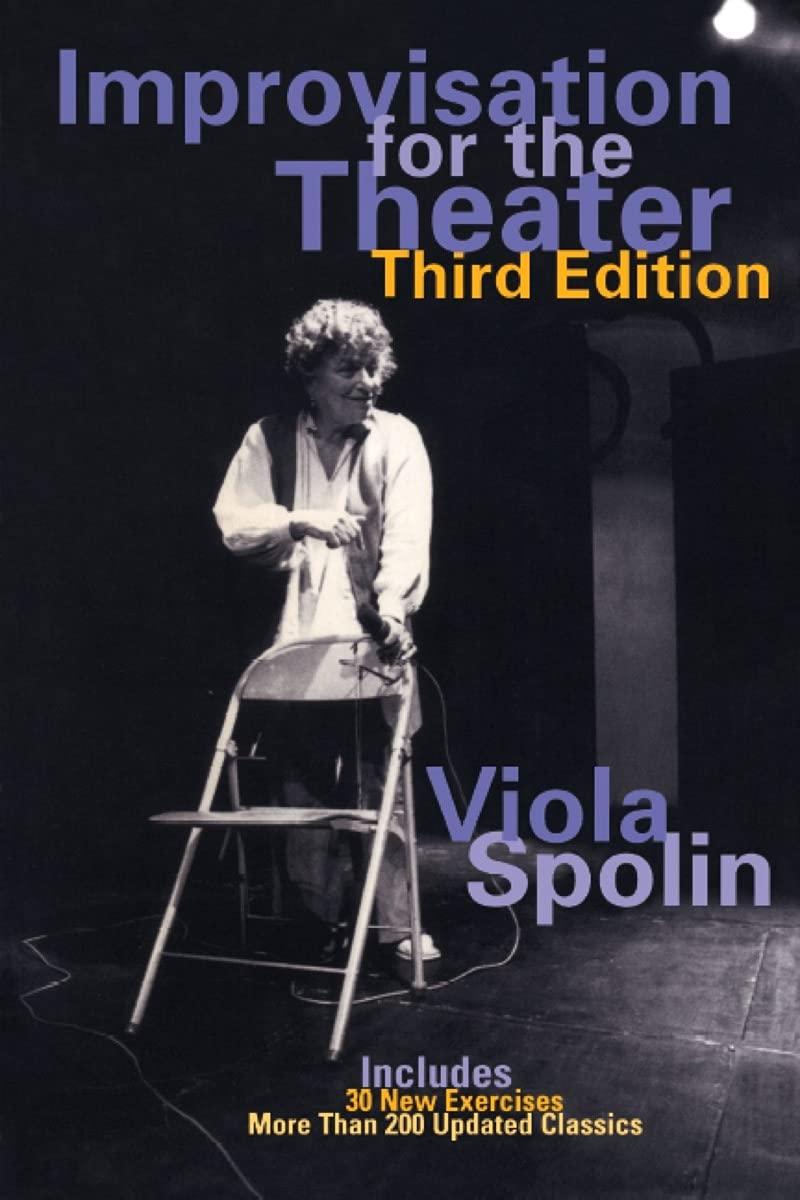
Improvisation for the Theater
A Handbook of Teaching and Directing Techniques
Viola Spolin
Related Games
Job Interview
Job Interview is a scene game in which one or more performers audition for a position while endowed with secret traits, habits, or identities that the interviewer must guess. The interview setting provides built-in status dynamics, clear stakes, and a familiar social ritual that audiences instantly recognize. The game rewards clear character physicalization, the ability to embed clues through behavior rather than exposition, and the comedy that emerges when inappropriate qualities collide with a formal setting.
Alter Ego
Alter Ego is a short-form scene game in which each main character has a second performer standing directly behind them who voices the character's inner thoughts. Two players perform a scene with dialogue and action while their respective alter egos narrate the unspoken subtext: desires, fears, judgments, and contradictions that the characters would never say aloud. The contrast between what a character says publicly and what they actually think generates natural comedy and dramatic irony. The game highlights the role of subtext in scene work and rewards performers who create clear, exploitable gaps between surface behavior and true feelings. Alter Ego appears across multiple improv traditions and is documented in Andy Goldberg's Improv Comedy among other sources.
Change
Change is a short-form game in which a caller says "change" at any point during a scene, forcing the last speaker to replace their most recent line with a new one. Repeated calls on the same line demand increasingly creative alternatives. The game trains verbal agility and the ability to generate multiple options for any moment.
Actor Switch
## Actor Switch: Content Actor Switch is a foundational improv structure, frequently utilized as both a game and an exercise. It centers on the rapid and unexpected exchange of character traits or roles between performers. The core mechanic involves one player initiating a switch by verbally or physically signaling another player to adopt a specific characteristic, emotion, or even a complete persona from the initiating player. This creates a dynamic shift in the scene, demanding adaptability and responsiveness from all involved. The origins of Actor Switch, like many early improv games, are challenging to definitively trace. It likely evolves organically within the burgeoning Chicago improv scene of the 1960s and 70s, drawing from techniques explored by Second City and Del Close. No single individual receives credit for its invention, but its consistent presence in improv training materials suggests early adoption and subsequent refinement by numerous practitioners. It serves as a crucial tool for developing active listening and quick thinking. To execute Actor Switch, a scene begins as usual, with performers establishing a baseline scenario. At any point, a player can declare "Actor Switch!" and then specify the element to be transferred, for example, "Actor Switch: Your frustration!" The targeted player immediately embodies that element, integrating it into their existing character or behavior. This process repeats, with players continually switching elements, creating a layered and unpredictable performance. The goal is not necessarily to create a coherent narrative, but to explore the possibilities of character and reaction. Actor Switch offers several benefits. It encourages performers to observe and react to their scene partners, fostering a heightened sense of ensemble awareness. The rapid shifts challenge performers to abandon preconceived notions and embrace spontaneity. Ultimately, Actor Switch cultivates a playful and dynamic approach to improvisational storytelling.
Henry
Henry is a short-form game in which a character with a fixed name and identity appears across multiple unrelated scenes, played by the same performer throughout. Other performers create new scenes with different premises, and the Henry character enters each scene, bringing the same personality, quirks, and behavioral patterns into wildly different contexts. The running character provides continuity across otherwise disconnected scenes. The game rewards a strong, memorable character who can fit into any scenario while remaining recognizably the same person.
Helping Hands
Helping Hands is a short-form game in which one performer stands in front of another and extends their arms through the front performer's sleeves or from behind, so that the back performer's hands serve as the front performer's arms. The front performer speaks and reacts while the back performer's hands gesture, handle props, and physically enact whatever the scene requires. The dissonance between speech and gesture -- and the unpredictable behavior of the "helping hands" -- generates the game's comedy.
How to Reference This Page
The Improv Archive. (2026). Old Job New Job. Retrieved September 29, 2026, from https://improvarchive.org/games/old-job-new-job
The Improv Archive. "Old Job New Job." The Improv Archive, 2026. https://improvarchive.org/games/old-job-new-job.
The Improv Archive. "Old Job New Job." The Improv Archive, 2026, https://improvarchive.org/games/old-job-new-job. Accessed September 29, 2026.
The Improv Archive is a systemically maintained repository. The archive itself acts as the corporate author.