Ping Pong
Ping Pong is a two-scene game in which the action alternates between two separate scenes, spending a brief stretch in each before cutting to the other. The scenes may begin without apparent connection and gradually reveal shared themes, words, or situations. The game trains performers to maintain two distinct scene threads simultaneously and rewards moments of unexpected resonance between the two worlds.
Structure
Setup
Two groups of two or more performers set up in separate areas of the stage, designated left and right (or front and back). Each group receives an independent suggestion or location, or both begin from a single audience suggestion interpreted differently.
Gameplay
The first scene begins and plays briefly. A host or ensemble cue cuts to the second scene, which plays briefly. The game alternates between scenes: each group continues from exactly where they were when the cut occurred, picking up mid-moment rather than resetting.
The pace of alternation may vary: slow early in the game to allow each scene to establish itself, then accelerating as connections emerge. The host or a designated director controls the cuts. In some versions, performers cut themselves by initiating a shift when they sense a connection.
Connection
The game's payoff is the discovery of connections between the two scenes: a word spoken in one scene that mirrors a word in the other, a physical choice that rhymes across the cut, a thematic parallel that neither group planned. These connections should be honored when they appear: a pause slightly longer on the scene that has just produced a connection gives the audience time to register it.
Merging
In long-form versions of the game, the two scenes may eventually merge: characters from one world enter the other, or the two locations connect through a shared event. The merge is the culmination of the pattern-building.
How to Teach It
How to Explain It
"Two scenes are running at the same time. We cut back and forth. You might be mid-sentence when we cut. Pick up exactly where you left off when we come back. The two scenes are separate, but they will find each other."
Objectives
Ping Pong develops parallel tracking, cut discipline, and the ensemble skill of maintaining a scene's state across interruptions. It also develops thematic listening: performers who are tracking the other scene's material can identify and honor connections as they emerge rather than ignoring them.
Scaffolding
Begin with long stretches in each scene before introducing frequent cuts. Groups that cannot establish their scene in four or five minutes before the first cut will struggle to maintain continuity through rapid alternation.
Run a debrief after the exercise asking each group what they noticed from the other group's scene. This reveals how much cross-attention the performers were giving.
Common Coaching Notes
- "Pick up from where you were. Not from where you'd like to be."
- "When you're not in the scene, you're still watching. Note what's happening."
- "If you hear something from the other scene that connects, use it. Don't let it pass."
- "The cuts create tension. Your job is to hold the thread, not to resolve it early."
How to Perform It
Maintaining the Thread
The most common failure mode in Ping Pong is performers who reset when the cut returns to them, starting from a new beat rather than picking up mid-moment. The game requires the ensemble to hold the scene's state across the interruption: emotional temperature, physical position, and conversational thread must all resume from exactly where the cut left off.
This demands genuine attention to what was happening at the moment of the cut. Groups who are not tracking their own scene's state cannot maintain it across cuts.
Pacing
The rhythm of cuts should feel responsive rather than metronomic. A cut that comes in the middle of a developing beat is more interesting than one that comes at a natural pause. The best cuts create anticipation in the audience: the scene is reaching a crisis when the cut comes, and the audience leans toward that scene whenever the other is playing.
History
Ping Pong takes its name from the alternating rhythm of the table tennis game: the action bounces from side to side, with each side holding it briefly before returning it. The same structural metaphor of action and reaction appears in Brian Mark's analysis of scene dynamics in Creating Improvised Theatre, where he describes the "ping pong of emotional action/reaction" as the root of relational drama in improv.
The two-scene intercut structure is one of the oldest long-form devices: Harold sequences alternate between scene groups, and television editing language (the cut) entered improv vocabulary in the 1960s and 1970s as directors looked for ways to juxtapose parallel scenes for thematic or comic effect. The specific short-form game under the name Ping Pong has not been documented in published improv sources with a named creator or origin.
Worth Reading
See all books →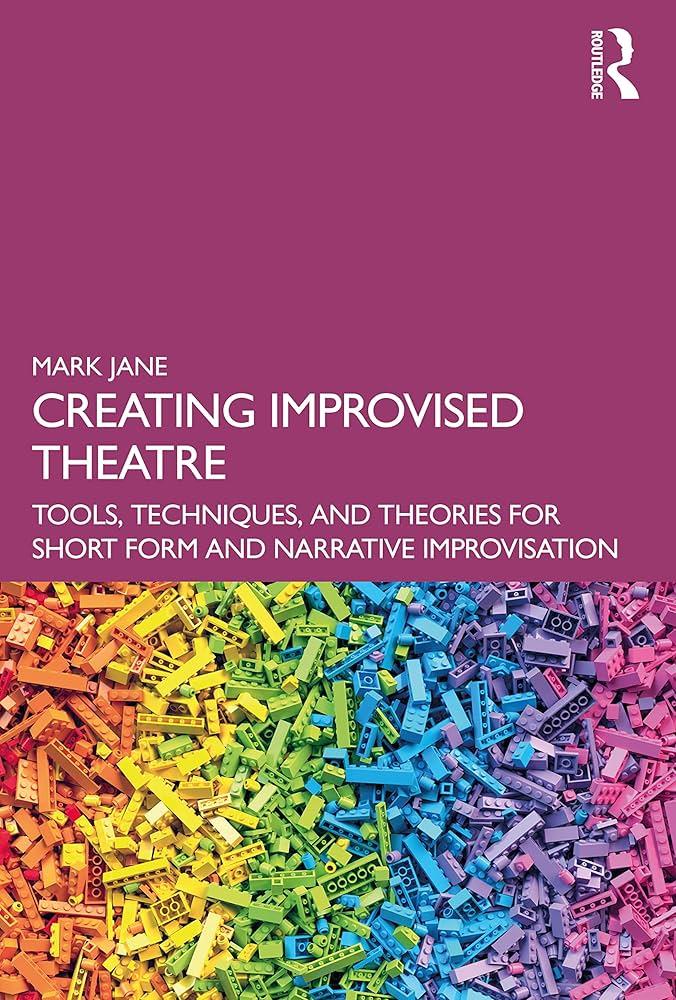
Creating Improvised Theatre
Tools, Techniques, and Theories
Mark Jane
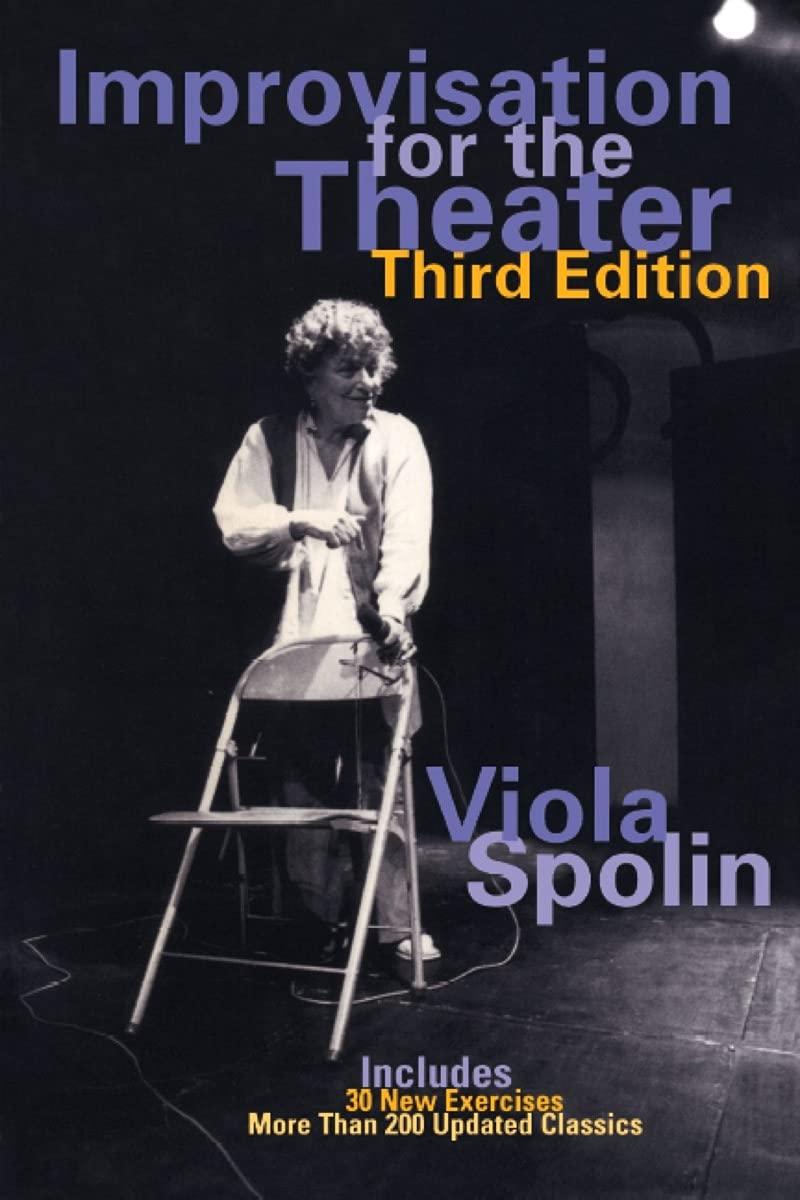
Improvisation for the Theater
A Handbook of Teaching and Directing Techniques
Viola Spolin

Acting Through Improv
Improv Through Theatresports
Lynda Belt; Rebecca Stockley
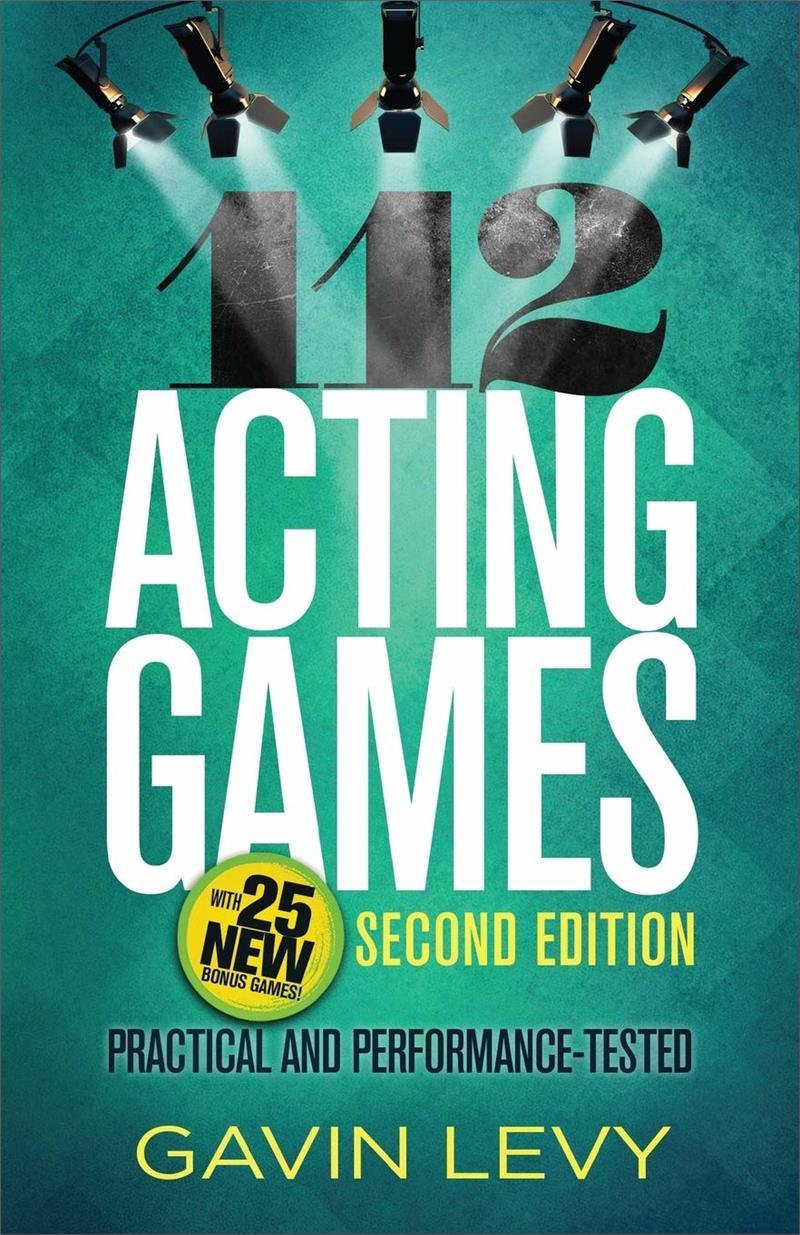
112 Acting Games
Gavin Levy

Group Improvisation
The Manual of Ensemble Improv Games
Peter Campbell Gwinn; Charna Halpern
Theater Games for Rehearsal
Viola Spolin
Related Games
Ping Pong Ballad
Ping Pong Ballad is a musical improv game in which two performers or pairs alternate singing verses of an improvised ballad. Each side picks up where the other left off, maintaining the melody, rhyme scheme, and narrative thread while adding new developments to the story.
Meanwhile
Meanwhile is a short-form game in which multiple scenes run in parallel, connected by the transitional word that gives the game its name. When a player or host calls the transition, the current scene freezes and a new scene begins in a different location, time period, or context. The game trains performers in quick context-switching, scene memory, and the ability to pick up a frozen scene exactly where it left off. Callbacks and connections between the parallel storylines elevate the game from a scene-switching exercise into a web of interlocking narratives.
Cocktail Party
Cocktail Party is a multi-scene ensemble exercise and game in which several pairs of performers simultaneously engage in separate conversations at an imagined social gathering. The overlapping dialogues create a rich, layered environment in which performers must maintain their own character and scene while tracking the conversations happening around them. As connections emerge between the separate conversations, performers weave themes, characters, and references across the pairs. The game trains ensemble awareness, the ability to sustain a character in the background, and the skill of recognizing shared themes and patterns across simultaneous scenes. As described in Truth in Comedy, the Cocktail Party allows performers to explore the value of connections in improvisation.
Countdown
Countdown is a short-form game and exercise in which performers replay a scene in progressively shorter time limits, compressing the action from several minutes down to seconds. Each repetition demands sharper editing, bolder physical choices, and more efficient storytelling as the available time shrinks. The game reveals the essential beats of a scene by forcing performers to strip away everything nonessential, leaving only the core moments that drive the narrative. Countdown demonstrates that the emotional truth of a scene can survive extreme compression, and that clarity improves when performers are forced to prioritize.
How to Reference This Page
The Improv Archive. (2026). Ping Pong. Retrieved September 28, 2026, from https://improvarchive.org/games/ping-pong
The Improv Archive. "Ping Pong." The Improv Archive, 2026. https://improvarchive.org/games/ping-pong.
The Improv Archive. "Ping Pong." The Improv Archive, 2026, https://improvarchive.org/games/ping-pong. Accessed September 28, 2026.
The Improv Archive is a systemically maintained repository. The archive itself acts as the corporate author.