Split Screen
Split Screen is a scene game in which the stage is divided into two or more zones, each containing a separate scene that runs simultaneously. A host or the performers themselves cut between the zones. The game rewards discoveries of thematic parallels between the scenes and the ability to maintain continuity through interruptions.
Worth Reading
See all books →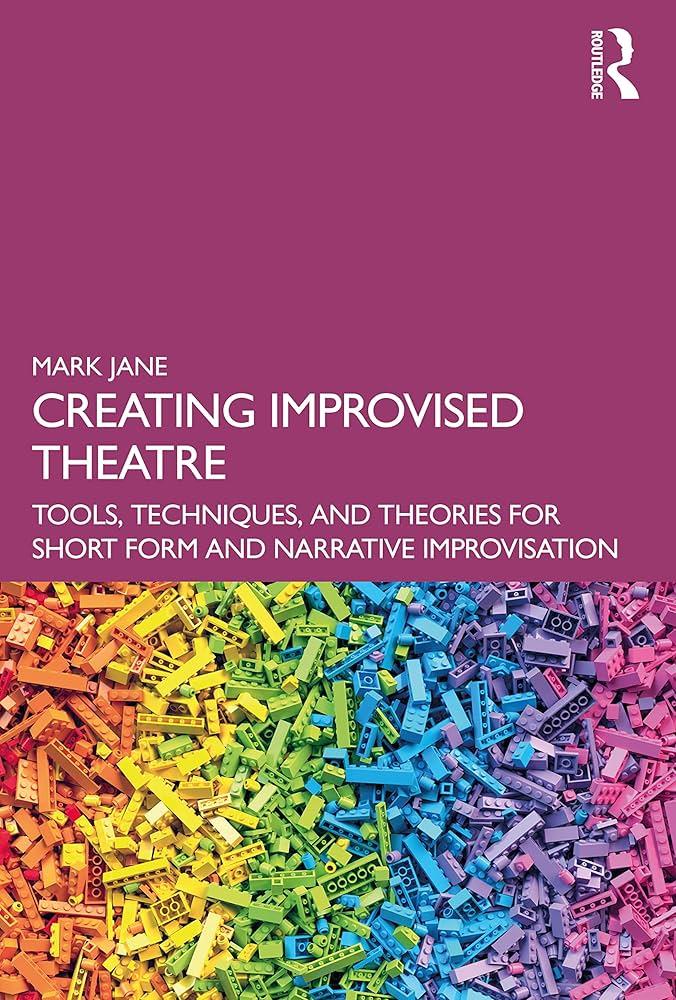
Creating Improvised Theatre
Tools, Techniques, and Theories
Mark Jane

The Upright Citizens Brigade Comedy Improvisation Manual
Matt Besser; Ian Roberts; Matt Walsh

Improv Comedy (20th Anniversary Edition)
Andy Goldberg

Improvisation for Actors and Writers
A Guidebook for Improv Lessons in Comedy
Bill Lynn

Acting Through Improv
Improv Through Theatresports
Lynda Belt; Rebecca Stockley
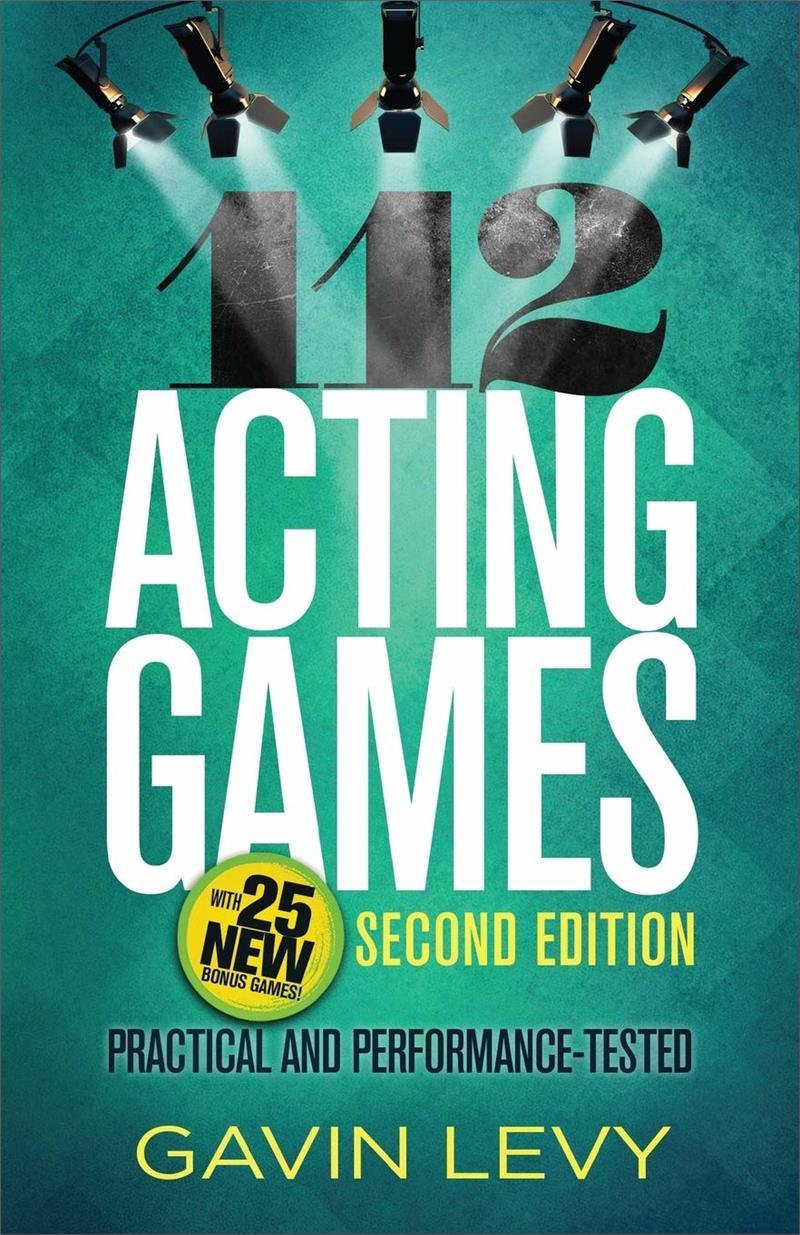
112 Acting Games
Gavin Levy
Related Games
Turntable
Turntable is a scene game in which the stage rotates between two or more scenes that share a physical setup, with the same furniture or blocking serving different purposes in each scene. The transitions between scenes may be called by a host or initiated by the performers. The game rewards inventive reuse of physical space and thematic connections between parallel scenes.
Triple Play
Triple Play is a short-form game in which three separate scenes run simultaneously on stage, with performers switching between them on command. The challenge of maintaining three distinct narrative threads tests memory, character consistency, and quick context-switching. The game rewards performers who can resume a scene exactly where it left off.
Pan Left
Pan Left is a short-form game in which the stage is divided into multiple locations, and a host calls camera directions to shift the audience's attention from one scene to another. Each scene freezes when the camera pans away and resumes when it returns. The game trains performers to maintain continuity across interrupted scenes and rewards strong callbacks.
Half Life
Half Life is a short-form game in which a scene is performed at full length, then replayed at half the time, then half again, compressing until the entire scene fits into a few seconds. Each repetition forces performers to identify and retain only the essential beats. The game reveals the core of a scene by stripping away everything nonessential.
Train Wreck
Train Wreck is a group game in which multiple scenes, characters, and storylines collide in a single chaotic climax. Each performer brings their established character or plotline into a shared space, and the ensemble must navigate the resulting chaos while finding resolution. The game rewards ensemble awareness and the ability to find order within disorder.
How to Reference This Page
The Improv Archive. (2026). Split Screen. Retrieved September 28, 2026, from https://improvarchive.org/games/split-screen
The Improv Archive. "Split Screen." The Improv Archive, 2026. https://improvarchive.org/games/split-screen.
The Improv Archive. "Split Screen." The Improv Archive, 2026, https://improvarchive.org/games/split-screen. Accessed September 28, 2026.
The Improv Archive is a systemically maintained repository. The archive itself acts as the corporate author.