Siamese Twins
Siamese Twins is a physical scene game in which two performers stand side by side and operate together as a single character, each using only their outer arm. The constraint requires close physical coordination and continuous nonverbal negotiation about every action, gesture, and movement. The game generates comedy from the inevitable mismatches between the two players' intentions and from the absurdity of watching two bodies attempt to function as one.
Structure
Setup
Two performers stand shoulder to shoulder, the left player using only their left arm and the right player using only their right arm. Their inner arms are held still or placed behind their backs. A scene premise or activity is established.
Game
The two performers play the scene as a single character. Physical actions must be coordinated: any gesture, reach, or manipulation of objects requires both players to agree in the moment without spoken negotiation. One player's arm initiates a movement; the other's arm completes or responds to it.
Dialogue may be shared between the two players, with each player voicing the character in alternation, or one player may speak while the other controls the physical action. Newton describes the players as "sharing the dialogue and physically acting as a single entity within the context of a scene."
Team Format
Brian Levy uses the exercise in teams of four. Each team contributes one pair of Siamese twins, with remaining team members observing and providing feedback. The team format allows observers to notice the coordination challenges before they experience them.
Common Activities
High-physicality situations work well: getting dressed, preparing food, handling objects, shaking hands with another character. The gap between the intention and the physical result is where the game's comedy lives.
How to Teach It
How to Explain It
"You are joined at the hip: literally one body, two minds. Wherever one goes, the other goes. You share all physical movement. You do not share your agenda. Find a scene where this matters."
Objectives
Siamese Twins develops physical ensemble coordination, nonverbal negotiation, and the experience of subordinating individual intent to a shared physical reality. The game makes visible the moment-to-moment negotiation that all scene work requires, but which normally operates at the level of vocal and narrative choice rather than physical coordination.
Teaching Uses
The game is useful as a counterpoint to scenes in which performers are not genuinely responding to each other: in Siamese Twins, failure to respond to your partner is immediately and physically visible, whereas in a verbal scene the same failure is disguised as narrative. The exercise creates conditions in which responsiveness is non-optional.
For groups working on physical commitment and presence, the game demonstrates that commitment is binary: partial physical commitment is always worse than full commitment to a wrong choice, because the audience can track the indecision.
How to Perform It
Achieving Physical Unity
The game rewards peripheral vision and anticipatory awareness over deliberate coordination. When players attempt to plan and execute each movement consciously, the coordination lag becomes visible and the scene stalls. When players develop a flow state where each arm responds to the other's movement as it is happening, the single-character illusion becomes credible.
Commit to physical actions completely. Hesitation is visible and breaks the illusion. When an arm begins to reach for something, the reach must be completed; backing out mid-gesture leaves both players stranded in an ambiguous physical state.
Dialogue Coordination
If dialogue is shared between players, establish a convention at the outset: alternating words, alternating sentences, or one player as the voice while the other controls the body. The convention itself does not matter; the consistency of it does. Changing conventions mid-scene without agreement confuses the audience about which rules govern the character.
History
Brian Levy documents Siamese Twins as Exercise 14 in 112 Acting Games (2005). Newton includes a nearly identical game under the name "Siamese Scene" in both editions of Improvisation (1997, 2010), attributing it as "Unknown" in the second edition, indicating the game was already in common workshop use without an identified originator by the time of publication.
The physical constraint of two performers sharing a single character's body draws on a tradition of body-sharing exercises in physical theatre and clown training. Wasson uses "Siamese twins" as a metaphor for the creative partnership of Mike Nichols and Elaine May, noting that their improvised work functioned as if two performers were a single creative organism, a description that captures the ideal toward which the game's physical constraint points.
Worth Reading
See all books →
Improvisation
Use What You Know, Make Up What You Don't
Brad Newton
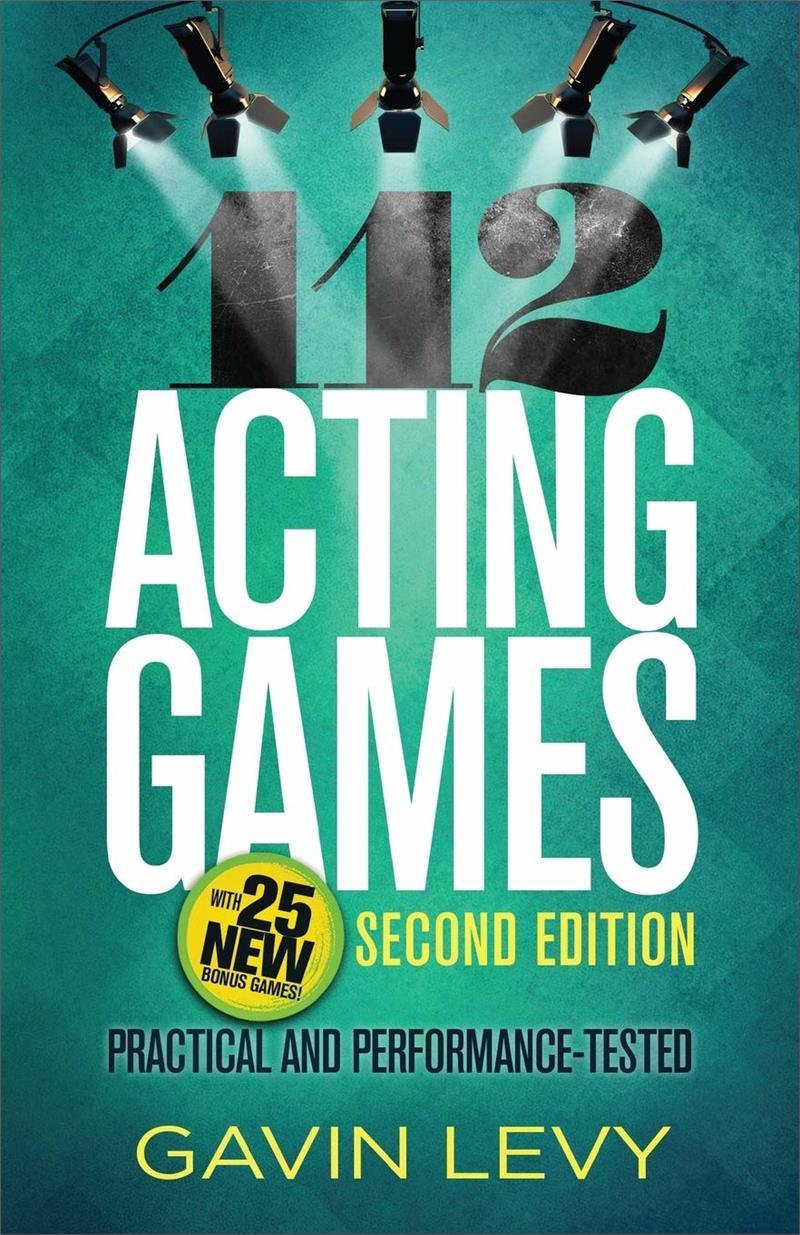
112 Acting Games
Gavin Levy
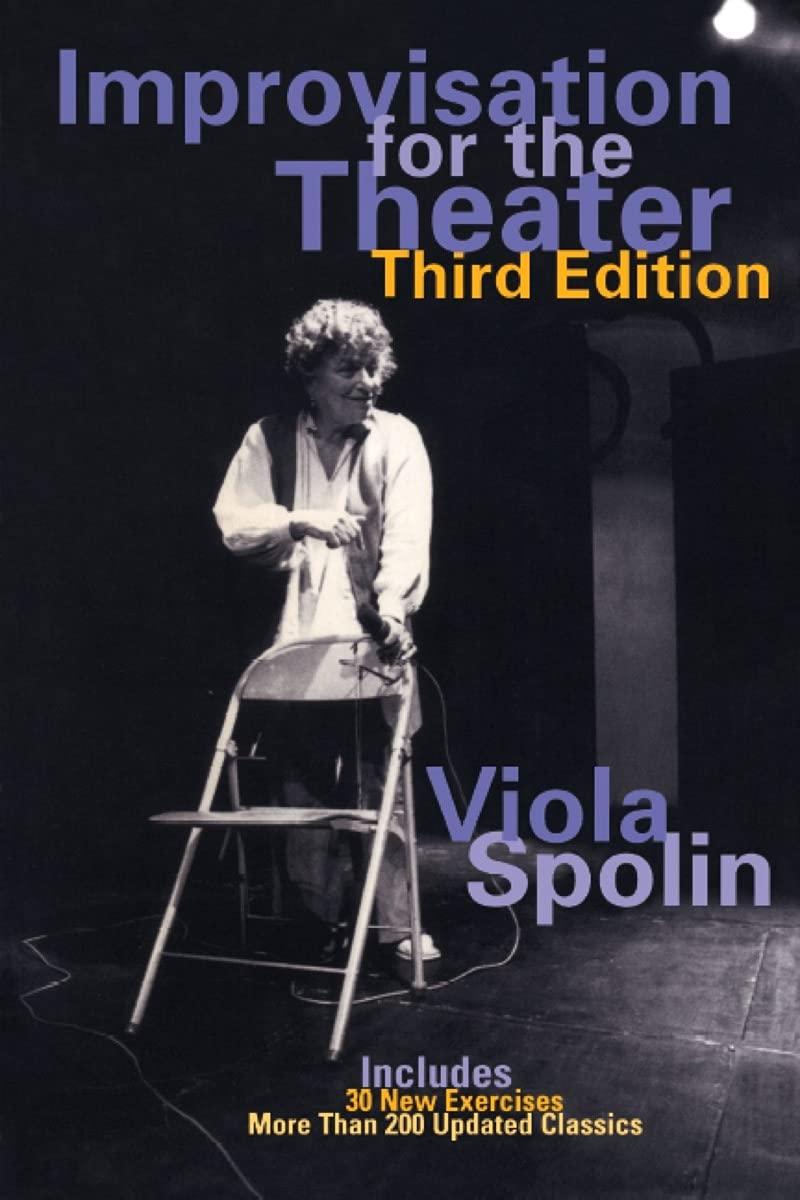
Improvisation for the Theater
A Handbook of Teaching and Directing Techniques
Viola Spolin

Pirate Robot Ninja
An Improv Fable
Billy Merritt; Will Hines
Theater Games for the Lone Actor
Viola Spolin
Theater Games for Rehearsal
Viola Spolin
Related Games
Evil Twin
Evil Twin is a scene game in which one performer plays two roles simultaneously: a character in a scene and that character's villainous, morally inverted double. The evil twin appears at unexpected moments, contradicting the character's stated values, undermining their relationships, or pursuing secretly sinister goals. The game creates comedy through the performer's physical and vocal differentiation between the two versions and the tension between the character the world sees and the one underneath.
Dubbing
Dubbing is a performance game in which one performer provides the physical actions for a character while a separate performer supplies that character's voice from offstage or from behind. The deliberate separation of voice and body creates inherent comedy as the two performers attempt to synchronize, producing a character that appears to have a mind of its own. Dubbing trains complementary skills: the body performer must generate clear, readable physical actions, while the voice performer must interpret and justify those movements through dialogue. The game appears across many short-form formats and is one of the most audience-accessible improv games due to its immediately visible comic mechanism.
Arms
Arms is a short-form game in which one player stands behind another, extending their arms through the front player's sleeves to serve as their hands. The front player speaks and reacts while the hidden player's arms create unpredictable physical business. It is one of the most recognized and widely performed short-form games.
Puppets
Puppets is a physical game and exercise in which one performer manipulates another as a puppet, controlling their body positions and movements by touching or guiding their limbs. The puppet commits fully to whatever position they are placed in and speaks only during or just after the manipulation. Also known as Moving Bodies, the game creates comedy from the disconnect between the puppet's physical situation and their dialogue, while training physical surrender and trust.
Arm Game
Arm Game is a short-form performance game in which one player stands behind another, supplying the arms while the front player provides the voice and head movements. The disconnection between speech and gesture creates physical comedy as the front player must justify whatever the arms do. The game is a staple of short-form shows worldwide.
Ventriloquist
Ventriloquist is a two-player game in which one performer provides the voice and another provides the body of a single character. The voice player speaks; the body player moves, gestures, and reacts physically, without speaking. The two must coordinate in real time without prior planning to create a coherent, unified character. The structural split between voice and body generates comedy from the inevitable misalignments while training deep physical listening and ensemble coordination.
The Lineage
Explore the schools and structures that influenced or evolved from Siamese Twins.
112 Acting Games (Levy)
How to Reference This Page
The Improv Archive. (2026). Siamese Twins. Retrieved September 28, 2026, from https://improvarchive.org/games/siamese-twins
The Improv Archive. "Siamese Twins." The Improv Archive, 2026. https://improvarchive.org/games/siamese-twins.
The Improv Archive. "Siamese Twins." The Improv Archive, 2026, https://improvarchive.org/games/siamese-twins. Accessed September 28, 2026.
The Improv Archive is a systemically maintained repository. The archive itself acts as the corporate author.