Statues
Statues is a family of exercises and games in which players freeze or are sculpted into specific physical positions and must then commit to, justify, or animate from those positions. The game teaches that physicality can precede and generate narrative: when the body is placed in a specific shape, the character and scene emerge from what the body already knows. Statues appears in improv, Image Theatre, applied settings, and children's game traditions.
Structure
Children's Game Variant (Belt)
Linda Belt and Rebecca Stockley document a children's game variant in Acting Through Improv: one player twirls their partner around several times and releases them. The spinning player freezes in whatever position they find themselves in at the moment of release. They must commit to that position and develop it into a character or scene initiation. The game trains acceptance of the body's randomness as a creative starting point.
Art Gallery Statues (Abbott)
Keith Abbott documents an exercise called Art Gallery Statues in The Improvisation Book: the group divides into pairs. One player in each pair is guided by their partner into a neutral standing position. The guide then sculpts the neutral player into a frozen pose, adjusting the placement of arms, head, hands, and weight distribution. The sculpted player commits to the resulting position and initiates a scene from it. The body knows something the mind doesn't yet know.
Sculpting Variant
In the standard paired-sculpting format, the sculptor physically moves their partner's body into a position, then steps back and observes. The sculpted player stands for a moment, then initiates: a character, a situation, a relationship emerges from what the body is doing. Viola Spolin includes Statues in Improvisation for the Theater (1963) in the section on physicalizing attitudes, framing frozen positions as a way to investigate character from the outside in.
Image Theatre (Boal)
Augusto Boal uses sculpting-into-statues as the foundation of Image Theatre, documented throughout Theatre of the Oppressed (1979) and Games for Actors and Non-Actors (1992). In Boal's method, participants sculpt each other and the resulting group images are used to investigate social and political themes without words. A group of statues becomes a collective image of oppression, aspiration, or conflict, examined, debated, and transformed by the group.
Applied Variants
Theresa Dudeck documents a museum-at-night variant in Applied Improvisation (2018) in which participants pretend to be statues in a museum while one player acts as a night watchperson. Kelly Leonard describes "Thank You Statues" in Yes, And (2015) as a team-building exercise in which a player in the center of a circle strikes a pose and the group responds.
How to Teach It
How to Explain It
"Strike a physical shape and freeze in it. Do not plan the shape: let your body go somewhere and stop. Now: who is this person? Where are they? What do they want? The shape already knows. Your job is to discover it."
Objectives
Statues reverses the usual improv direction of scene work: instead of the mind generating action that the body executes, the body's position generates the scene that the mind articulates. This reversal is pedagogically valuable because it bypasses the habitual patterns of verbal planning that many players carry into scene work. When the body is already committed to a position, the player must respond to what is already physically true rather than deciding what to do.
In Boal's application, Statues has an additional political dimension: the exercise creates images that can be read, debated, and transformed by a community, making complex social experiences available for collective examination without requiring the vocabulary of theatre.
Scaffolding
For groups new to physical work, begin with self-generated frozen positions (each player finds their own body position from a given word or theme) before introducing partner sculpting. This gives players experience with physical commitment before adding the vulnerability of being arranged by another person.
For the Art Gallery variant, the sculptor role requires coaching to be specific: a player who vaguely adjusts a partner's arm provides less material to work with than one who places each body part with genuine intention.
Common Coaching Notes
- "You are already in a position. What does that position know that you don't know yet?"
- "Commit to the weight. Where is the center of gravity in this body?"
- "Sculptor: place each part intentionally. The body you create tells a story."
- "Animate from the inside. The body was there first. Follow it."
How to Perform It
In Short-Form Contexts
The paired-sculpting variant works effectively as a public demonstration because audiences can see the sculptor's choices, anticipate the pose's implications, and then watch the scene player's justification unfold. The interpretive gap between the intended and the actual, between what the sculptor put into the body and what the scene player does with it, generates its own form of comedy and surprise.
The game scales well: a facilitator can sculpt an audience member in front of the group and then open the stage to other scene players to enter and respond to the established physical reality.
History
The use of frozen body positions as a theatrical and pedagogical device predates the improvisation tradition. Tableau vivant, the frozen living picture, has a long history in European theatrical performance as a way to communicate narrative and emotion through image rather than action.
Viola Spolin includes Statues in Improvisation for the Theater (1963) in her section on physicalizing attitudes, connecting frozen positions to the broader principle that physical expression is as valid and rich as verbal expression in scene work.
Augusto Boal transformed the statues exercise into a central method of Image Theatre, developed in Brazil from the 1960s and documented in Theatre of the Oppressed (1979) and Games for Actors and Non-Actors (1992). Boal's Image Theatre uses sculpted group statues as a democratic method for communities to express and examine their social realities without requiring verbal fluency or theatrical training.
Linda Belt and Rebecca Stockley include a children's game variant in Acting Through Improv, documenting its use as a warm-up exercise in early improv sessions, and Keith Abbott documents the Art Gallery Statues variant in The Improvisation Book.
The children's game "Statues" predates the improvisational tradition, making this one of the exercises where improv pedagogy drew directly from children's play.
Worth Reading
See all books →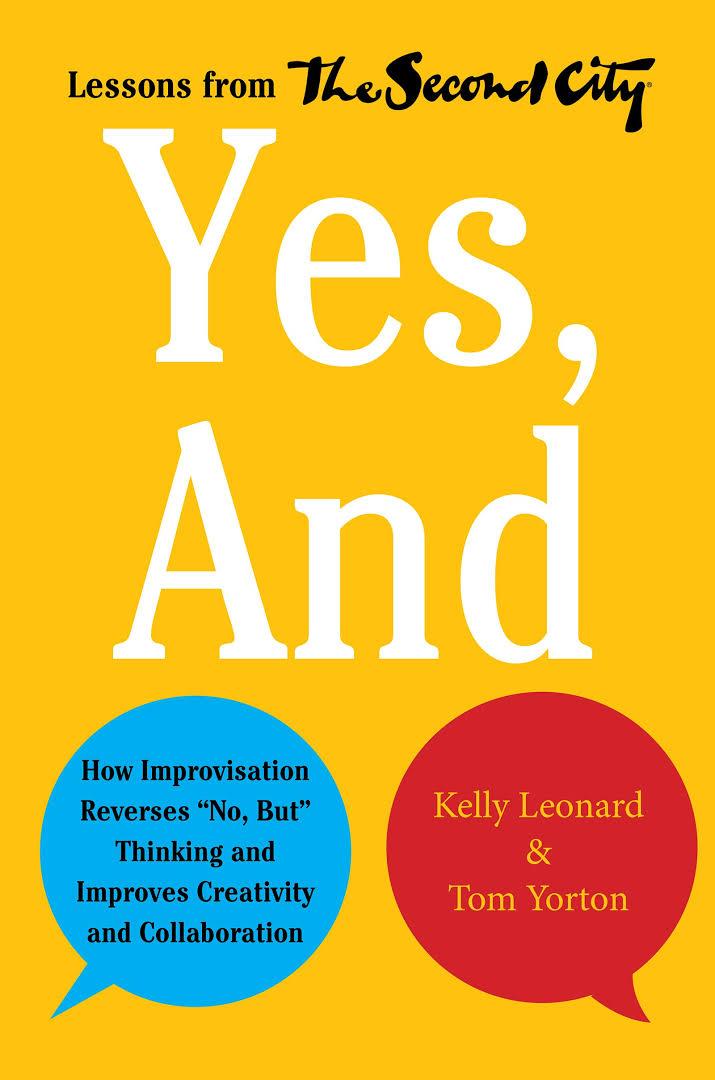
Yes, And
How Improvisation Reverses No, But Thinking and Improves Creativity and Collaboration
Kelly Leonard; Tom Yorton

The Routledge Companion to Improvisation in Organizations
Miguel Pina e Cunha; Dusya Vera; António Cunha Meneses
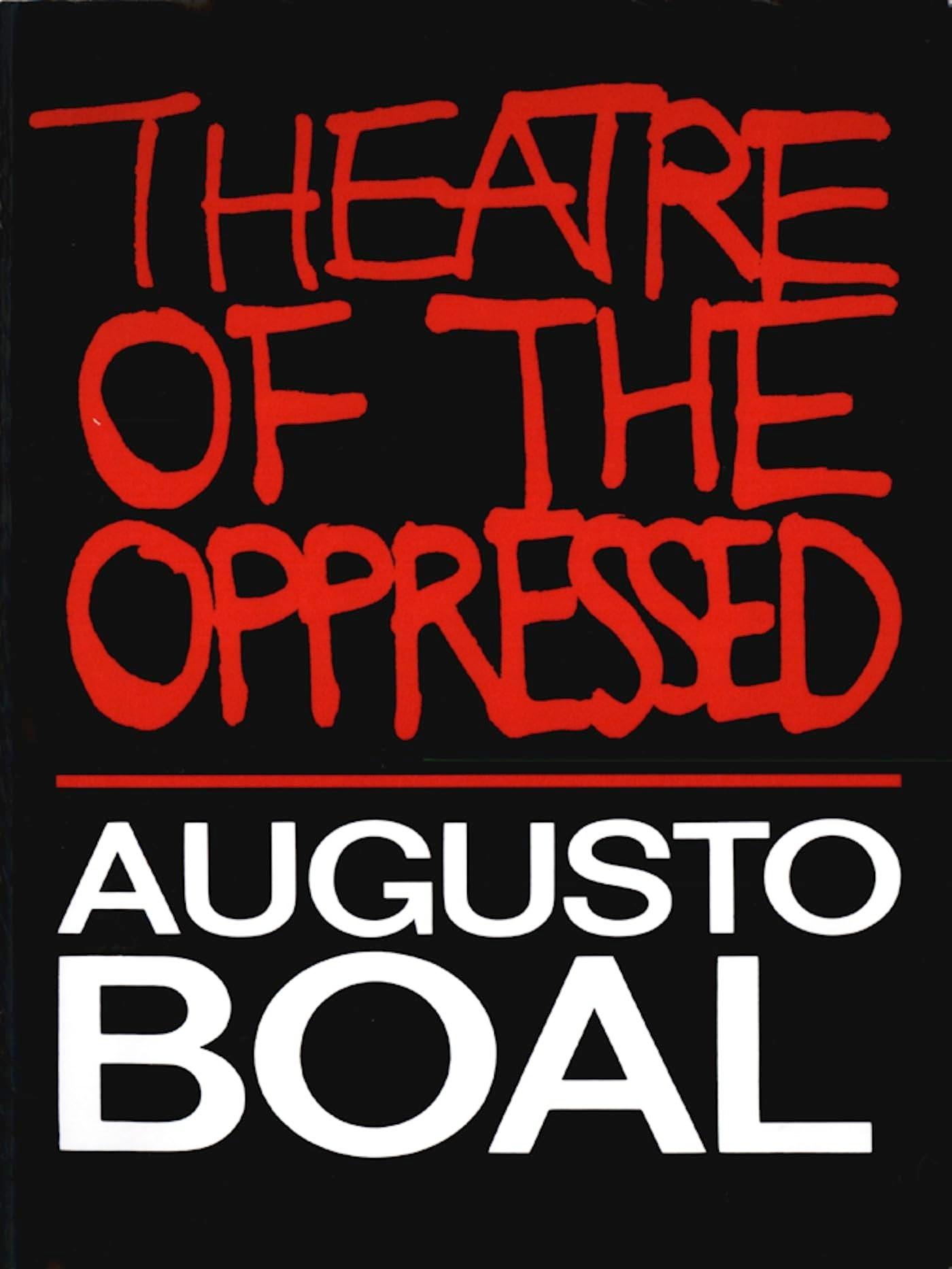
Theatre of the Oppressed
Augusto Boal
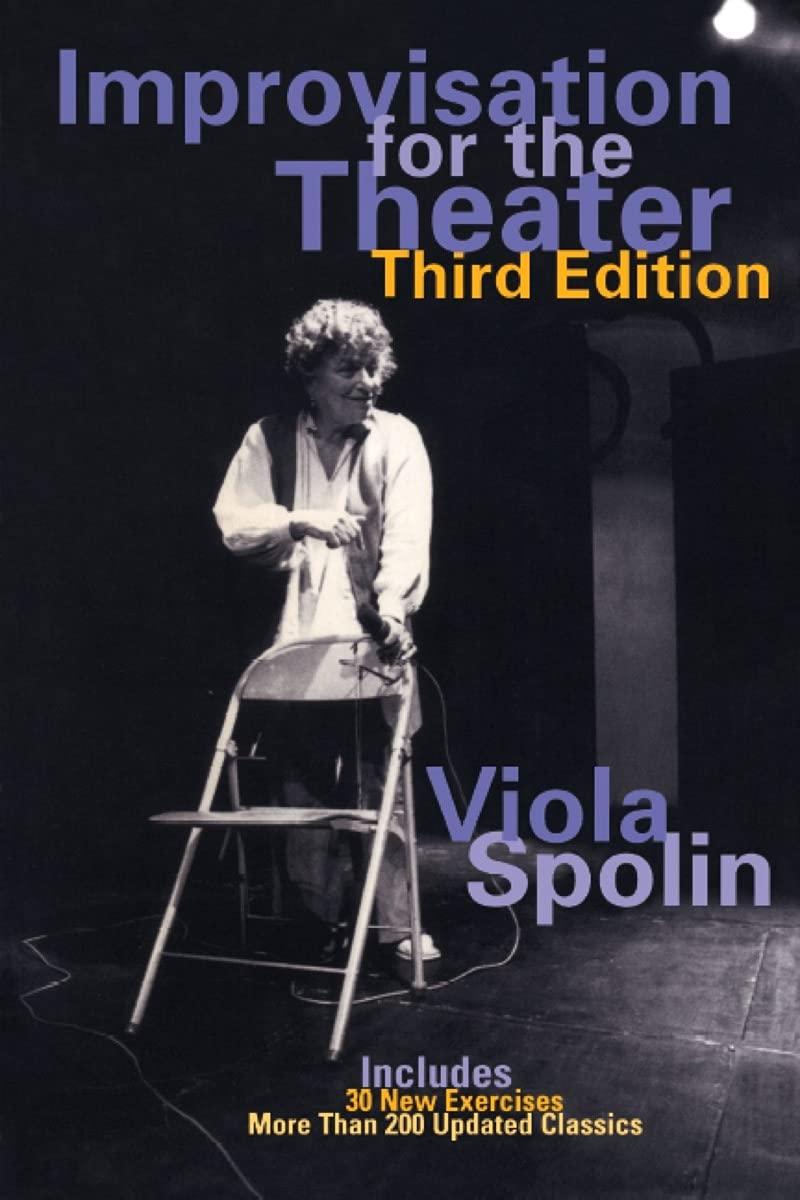
Improvisation for the Theater
A Handbook of Teaching and Directing Techniques
Viola Spolin

Impro
Improvisation and the Theatre
Keith Johnstone

Improvisations in Creative Drama
A Program of Workshops
Betty Keller
Related Games
Objects
Objects is an ensemble exercise and short-form game in which players use their bodies to form the physical shape of an audience-suggested object. Players enter one at a time, each adding themselves to the growing sculpture until the group collectively represents the object in physical space. The exercise builds spontaneous physicality, spatial awareness, and the ensemble skill of offering and accepting physical contributions without verbal negotiation.
Swedish Sculptors
Swedish Sculptors is a variation of the Sculptors exercise in which players speak in mock Swedish or another invented language while sculpting their partners. The exercise combines physical character work with the vocal freedom of gibberish, creating a playful environment for exploring status, intention, and physical expression.
Puppets
Puppets is a physical game and exercise in which one performer manipulates another as a puppet, controlling their body positions and movements by touching or guiding their limbs. The puppet commits fully to whatever position they are placed in and speaks only during or just after the manipulation. Also known as Moving Bodies, the game creates comedy from the disconnect between the puppet's physical situation and their dialogue, while training physical surrender and trust.
Character Bench
Character Bench is a short-form game in which performers sit on a bench in a public place, each entering with a distinct character who interacts with whoever is already seated. Characters cycle on and off the bench, creating a parade of brief encounters. The game rewards strong character initiations and the ability to build a relationship quickly.
How to Reference This Page
The Improv Archive. (2026). Statues. Retrieved September 28, 2026, from https://improvarchive.org/games/statues
The Improv Archive. "Statues." The Improv Archive, 2026. https://improvarchive.org/games/statues.
The Improv Archive. "Statues." The Improv Archive, 2026, https://improvarchive.org/games/statues. Accessed September 28, 2026.
The Improv Archive is a systemically maintained repository. The archive itself acts as the corporate author.