Ping Pong Ballad
Ping Pong Ballad is a musical improv game in which two performers or pairs alternate singing verses of an improvised ballad. Each side picks up where the other left off, maintaining the melody, rhyme scheme, and narrative thread while adding new developments to the story.
Structure
Setup
Two performers or two pairs stand facing each other. The host takes a suggestion for a story topic, a character name, or a historical event. A musician establishes a ballad-style accompaniment, typically in three-quarter or four-four time with a folk or storytelling feel.
Progression
The first performer sings a verse establishing the story's premise, character, and setting. At the end of the verse, the second performer picks up immediately, continuing the narrative with a new verse that advances the plot. The exchange continues back and forth, each verse building on what came before.
The performers must maintain the same melody and rhyme pattern throughout. The narrative should progress with each exchange rather than repeat or circle. A complete arc emerges: a character faces a challenge, the stakes escalate through the middle verses, and the final exchange resolves the story.
Variations
In a team version, two pairs alternate, with partners within each pair trading lines within their verse. Some versions allow the audience to shout redirections between exchanges. A competitive variation has the audience judge which side told the better half of the story.
How to Teach It
Objectives
Ping Pong Ballad trains musical improvisers to listen across extended exchanges and maintain narrative coherence under the pressure of rhyme and melody. The game develops the ability to advance a story rather than simply respond to the last thing said.
How to Explain It
"You and your partner are going to tell one story through a ballad. You will alternate verses. Your job is to keep the story moving forward. Listen to everything your partner sings because you need to pick up exactly where they leave off."
Scaffolding
Begin with spoken ping-pong storytelling before adding melody. Once performers can trade narrative beats cleanly in speech, layer in a simple repeating melody. Start with four-line verses before expanding to longer sections.
Common Pitfalls
The most common problem is performers who repeat what their partner just sang rather than advancing the story. Coach them to treat each verse as the next chapter, not a summary of the previous one.
Another issue is abandoning the rhyme scheme mid-song. Establish the pattern in the first verse and commit to it. If a performer paints themselves into a corner with a difficult rhyme, the recovery attempt is often funnier than a safe choice would have been.
How to Perform It
The strongest performances come from performers who listen to every word their partner sings. Rhyme and melody matter, but narrative momentum matters more. Audiences respond to a story that genuinely progresses rather than one that merely maintains a pleasant sound. The handoff between performers is the critical moment. A clean pickup that continues the sentence or thought creates the illusion of a single storyteller.
Worth Reading
See all books →
Group Improvisation
The Manual of Ensemble Improv Games
Peter Campbell Gwinn; Charna Halpern

Acting Through Improv
Improv Through Theatresports
Lynda Belt; Rebecca Stockley
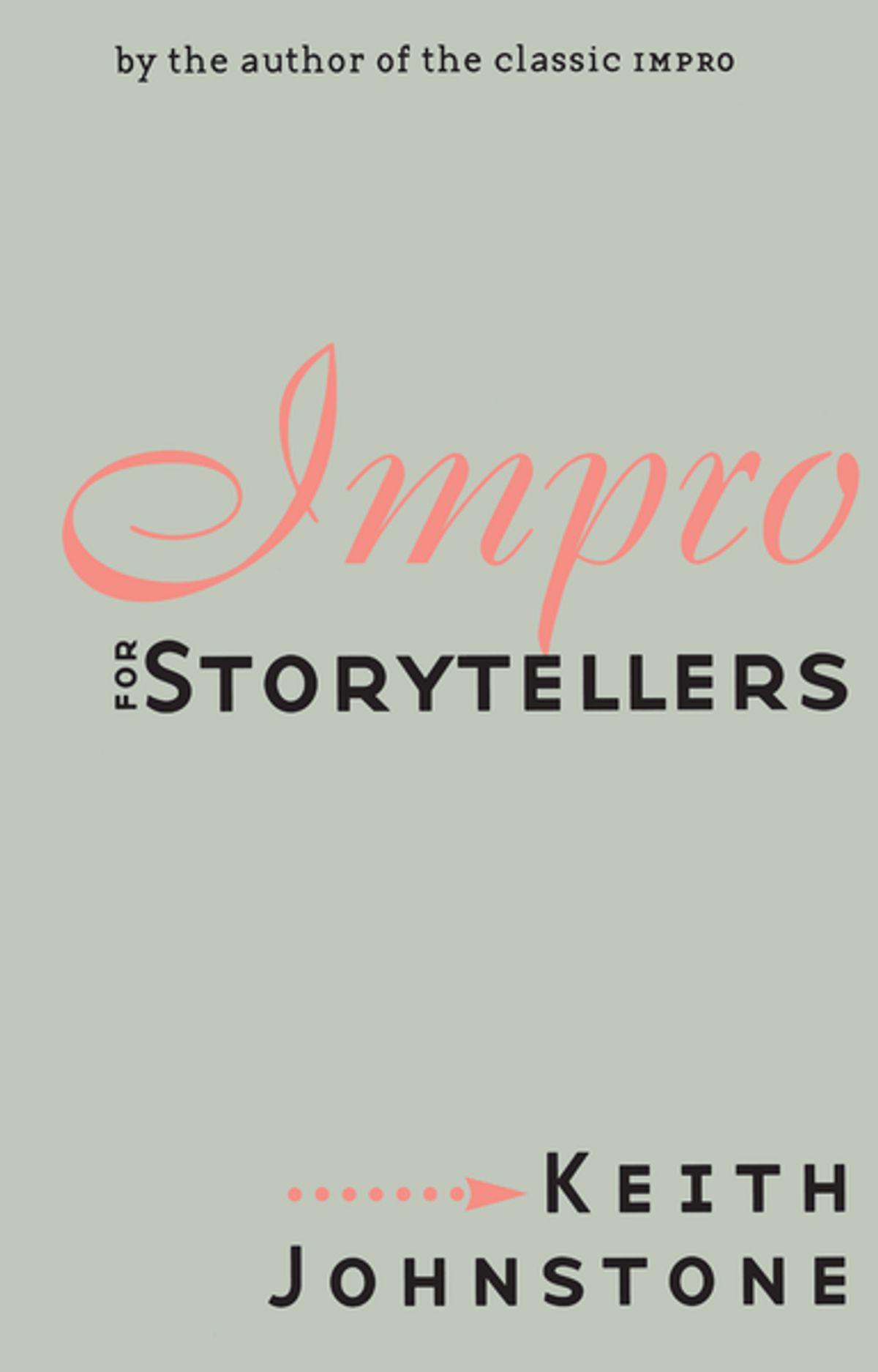
Impro for Storytellers
Keith Johnstone

Drama Games and Improvs
Games for the Classroom and Beyond
Justine Jones; Mary Ann Kelley

The 5 Elements of Improv
How to Take Your Improv to the Next Level
Andrew M. Spragge; Karen L. Eichler
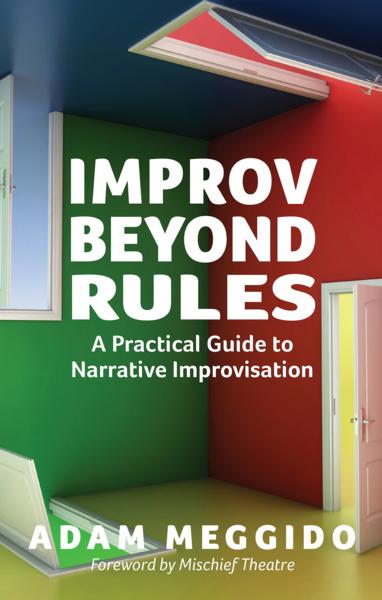
Improv Beyond Rules
A Practical Guide to Narrative Improvisation
Adam Meggido
Related Games
Ping Pong
Ping Pong is a two-scene game in which the action alternates between two separate scenes, spending a brief stretch in each before cutting to the other. The scenes may begin without apparent connection and gradually reveal shared themes, words, or situations. The game trains performers to maintain two distinct scene threads simultaneously and rewards moments of unexpected resonance between the two worlds.
Verses
Verses is a musical improv game in which performers trade improvised song verses on a given topic, each verse building on or responding to the previous one. The alternating structure creates a musical conversation that develops through successive exchanges, with each performer advancing the song's argument, narrative, or emotional arc. The game rewards lyrical creativity, melodic consistency, and the ability to support a partner's musical choices.
Balladeer
Balladeer (1) is a short-form game in which a musical performer narrates and comments on a scene through improvised song, functioning as a one-person Greek chorus. The balladeer may advance time, reveal subtext, or editorialize on the action. The game requires strong musical improv skills and the ability to serve the scene through song.
Musical Fairy Tale
Musical Fairy Tale is a short-form game in which performers create an improvised fairy tale complete with songs, using the conventions of the fairy tale genre -- a hero, a villain, a quest, magic, and a moral resolution -- as the narrative scaffold while musical improvisation provides the emotional punctuation, escalation, and comic commentary. The game rewards performers who can move fluently between the spoken storytelling register of the fairy tale and the sung emotional expression of its musical moments.
Rhymes
Rhymes is a short-form game in which performers must end every line of dialogue with a word that rhymes with the previous line's final word. Players advance a scene while satisfying this linguistic constraint, creating comic pressure through the constant risk of hesitation or failure. The game rewards broad vocabulary, quick verbal recall, and the ability to keep a scene moving while navigating a demanding formal structure.
Irish Drinking Song
Irish Drinking Song is a musical performance game in which the cast creates an improvised song in the style of a rousing pub ballad, with performers contributing one line at a time in rotation to a fixed AABB rhyme scheme and a predictable musical structure. The game is designed to be accessible to non-singers: the structure does most of the work, and the challenge is rhyming ability and the ensemble's capacity to construct a coherent verse collaboratively under the rhythm's forward momentum.
How to Reference This Page
The Improv Archive. (2026). Ping Pong Ballad. Retrieved September 28, 2026, from https://improvarchive.org/games/ping-pong-ballad
The Improv Archive. "Ping Pong Ballad." The Improv Archive, 2026. https://improvarchive.org/games/ping-pong-ballad.
The Improv Archive. "Ping Pong Ballad." The Improv Archive, 2026, https://improvarchive.org/games/ping-pong-ballad. Accessed September 28, 2026.
The Improv Archive is a systemically maintained repository. The archive itself acts as the corporate author.