Blocking
The act of negating, contradicting, or refusing to accept an offer made by a scene partner. Blocking stops the forward momentum of a scene and forces the offering player to abandon their idea. Keith Johnstone identified blocking as the primary obstacle to spontaneous creativity.
In improvisation, blocking refers to the act of negating, contradicting, or refusing to accept an offer made by a scene partner. When a performer blocks, the forward momentum of a scene halts, and the offering player is forced to abandon their idea. Keith Johnstone identified blocking as the primary obstacle to spontaneous creativity, and his work established it as one of the most fundamental concepts in improv pedagogy. Understanding blocking is essential not only for performers but for anyone studying collaborative creative processes.
Blocking can take many forms, from outright denial ("No, that's not a dragon") to subtler resistance such as changing the subject, ignoring a partner's contribution, or undercutting their emotional reality. The effect is the same in all cases: the scene loses its collaborative energy, and the performer who made the offer is left stranded. Johnstone observed that blocking often stems from fear, specifically the fear of failure, humiliation, and rejection. As one practitioner noted, "the first thing you need to understand is how this fear is blocking your own creativity." Performers block not out of malice but out of a reflexive desire to maintain control or avoid vulnerability.
The concept has a natural counterpart in accepting, commonly expressed through the principle of "yes, and." In applied improvisation settings, facilitators often introduce these two dynamics side by side. Accepting is generative and collaborative, helping groups problem-solve productively, while blocking (often framed as "yes, but" or simply "no") shuts down possibilities and stalls progress. This pairing gives participants a clear, experiential understanding of how each dynamic shapes group interaction.
Teaching blocking typically involves exercises that make its effects visible and felt. In many workshops, performers are asked to deliberately block their partners in a scene, then replay the same scene while accepting every offer. The contrast is immediate and often revelatory. Students discover how natural the impulse to block can be, especially under pressure or when an offer feels uncomfortable or unfamiliar. Coaches encourage performers to notice their own blocking habits without judgment, treating awareness as the first step toward more open, responsive scene work.
A common misunderstanding is that blocking always involves saying "no" outright. In practice, some of the most persistent blocking is indirect: a performer who constantly steers scenes back to familiar territory, who undercuts a partner's emotional commitment with a joke, or who refuses to be changed by what happens in the scene. These subtler forms can be harder to identify but are equally damaging to collaborative storytelling.
Blocking also appears as a concept in theatrical traditions well beyond improvisation. In the dramaturgy of comedy, the "blocking figure" is a stock character, often a parent or authority, who stands in the way of the protagonist's desire. This theatrical ancestry highlights a deeper truth about the concept: blocking is fundamentally about resistance to change, whether on stage or in life. In improv, learning to recognize and release that resistance is among the most important skills a performer can develop, and it is often the skill that takes the longest to internalize.
Further Reading
See all books →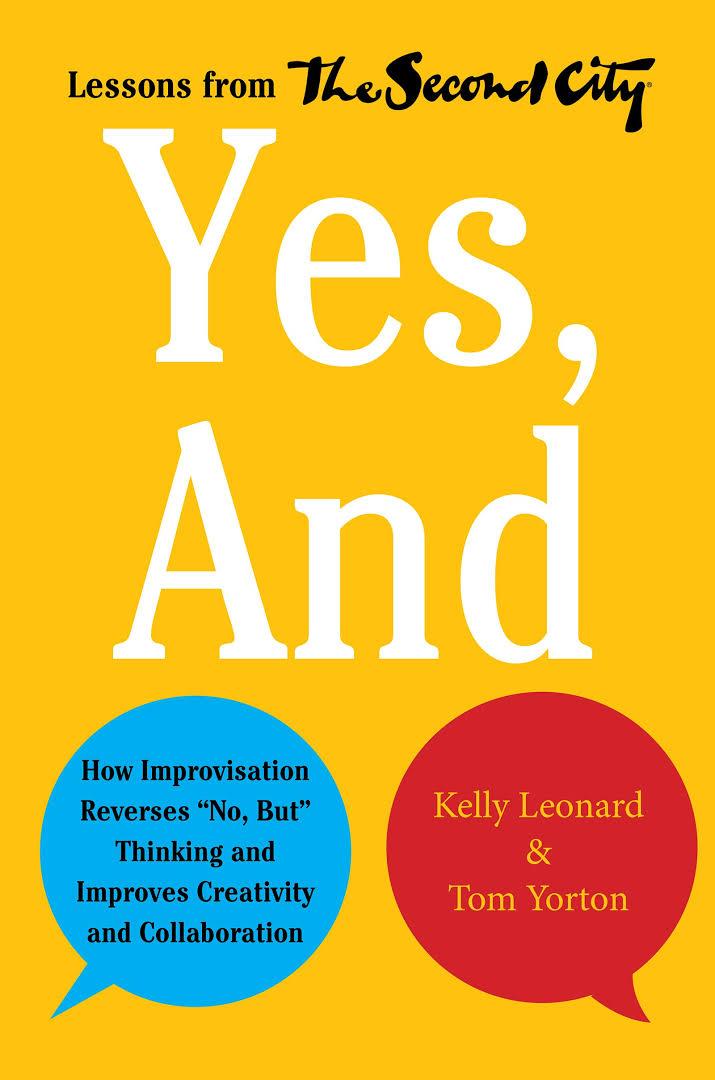
Yes, And
How Improvisation Reverses No, But Thinking and Improves Creativity and Collaboration
Kelly Leonard; Tom Yorton

Theatrical Improvisation
Short Form, Long Form, and Sketch-Based Improv
Jeanne Leep

The Young Actor's Book of Improvisation
Dramatic Situations
Sandra Caruso; Susan Kosoff
Improvise
Scene from the Inside Out
Mick Napier
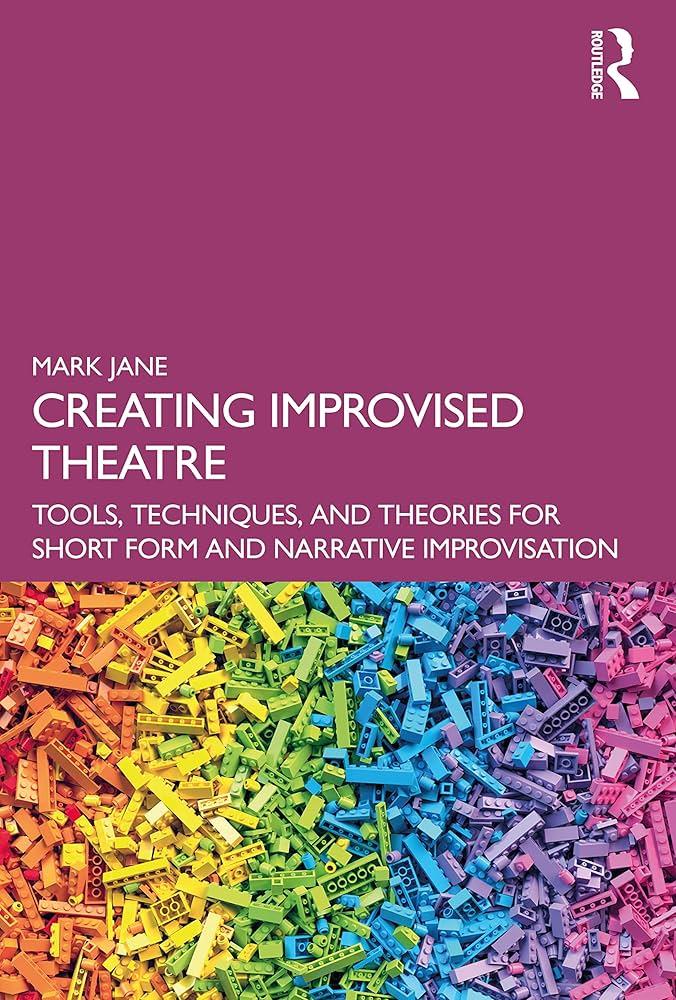
Creating Improvised Theatre
Tools, Techniques, and Theories
Mark Jane

The Routledge Companion to Improvisation in Organizations
Miguel Pina e Cunha; Dusya Vera; António Cunha Meneses
How to Reference This Page
The Improv Archive. (2026). Blocking. Retrieved September 28, 2026, from https://improvarchive.org/learn-improv/concepts/blocking
The Improv Archive. "Blocking." The Improv Archive, 2026. https://improvarchive.org/learn-improv/concepts/blocking.
The Improv Archive. "Blocking." The Improv Archive, 2026, https://improvarchive.org/learn-improv/concepts/blocking. Accessed September 28, 2026.
The Improv Archive is a systemically maintained repository. The archive itself acts as the corporate author.