Bridging
A scene behavior in which a performer connects two unrelated ideas or offers with a weak logical link rather than committing to either one. Bridging dilutes the specificity of a scene by hedging between multiple directions instead of following one offer with full commitment.
In improvisation, bridging describes a pattern of scene behavior in which a performer connects two unrelated ideas or offers with a weak logical link rather than committing fully to either one. Rather than accepting a single offer and exploring it with depth and specificity, the bridging performer hedges between multiple directions, diluting the scene's clarity and momentum. The result is a kind of narrative compromise that satisfies neither impulse and leaves both scene partners without a firm platform to build on.
The concept is most precisely articulated in the context of goal-oriented scene work. As Mark Jane describes in Creating Improvised Theatre, bridging occurs when improvisers become overly concerned with reaching a particular destination or endpoint in a scene rather than attending to the process of getting there. The performer who bridges sees, as Jane puts it, "light at the end of the tunnel" and fixates on arriving at that point, skipping over the discoveries that would emerge from genuine moment-to-moment engagement. The danger lies not in having an idea about where a scene might go, but in letting that idea override the collaborative present tense of the work.
In practice, bridging often manifests as a series of transitional moves that exist only to connect Point A to Point C, bypassing the richer terrain of Point B entirely. A performer might introduce a topic, abandon it before it gains any weight, then introduce another, linking them with a thin justification. The audience and scene partners experience this as a scene that moves laterally rather than deepening. Each new offer arrives before the previous one has been explored, creating a surface-level progression that lacks emotional stakes or genuine surprise.
Teachers and directors typically address bridging by coaching performers to slow down and commit to the offer already on the table. The corrective is not to eliminate forward motion but to redirect attention from where the scene is heading toward what is happening right now. Exercises that emphasize sustained agreement, emotional listening, and the exploration of a single game or pattern all serve as antidotes to the bridging impulse. The instruction to "follow the follower" or to heighten rather than pivot reinforces the discipline of staying with one idea long enough for it to produce something unexpected.
Bridging is closely related to several other common scene pitfalls. It shares qualities with wimping, in which a performer avoids committing to an offer, and with gagging, where jokes are layered on top of a scene without advancing its substance. It also intersects with the broader problem of being "in your head," where a performer's planning overtakes their responsiveness. What distinguishes bridging from these adjacent behaviors is its specific mechanism: the weak connective tissue between ideas that creates an illusion of progress while actually preventing any single thread from developing.
The concept also has a structural dimension in devised and long-form work. Alison Oddey, writing about devised theatre, describes how linking or bridging scenes were created to connect main scenes once an overall order had been established. In this usage, bridging is a deliberate compositional choice rather than a performance error. The distinction is instructive: a bridge that is designed and rehearsed to serve the whole can be effective, while a bridge improvised in the moment to escape commitment almost never is.
Understanding bridging helps performers recognize when they are serving their own anxiety rather than the scene. The impulse to bridge is often rooted in a fear that the current offer is not good enough, interesting enough, or funny enough to sustain attention. Experienced improvisers learn that the opposite is nearly always true: the offer that is fully committed to, however ordinary it appears, will almost always yield more than the one that is abandoned in favor of something shinier.
Further Reading
See all books →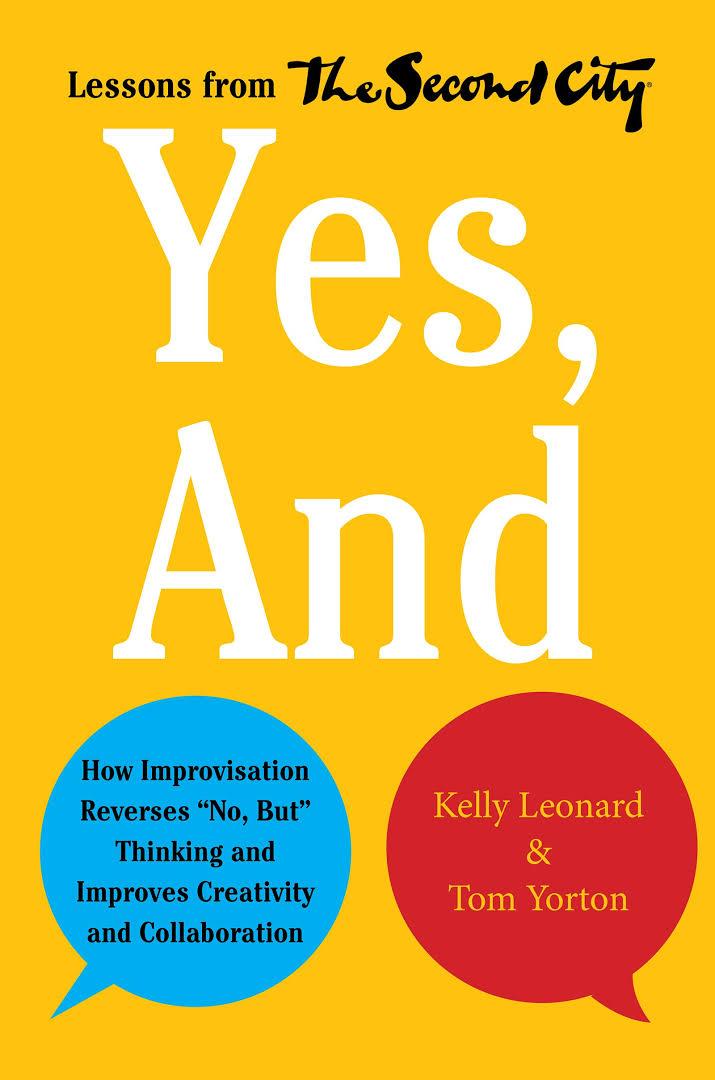
Yes, And
How Improvisation Reverses No, But Thinking and Improves Creativity and Collaboration
Kelly Leonard; Tom Yorton

Comedy and Distinction
The Cultural Currency of a 'Good' Sense of Humour
Sam Friedman
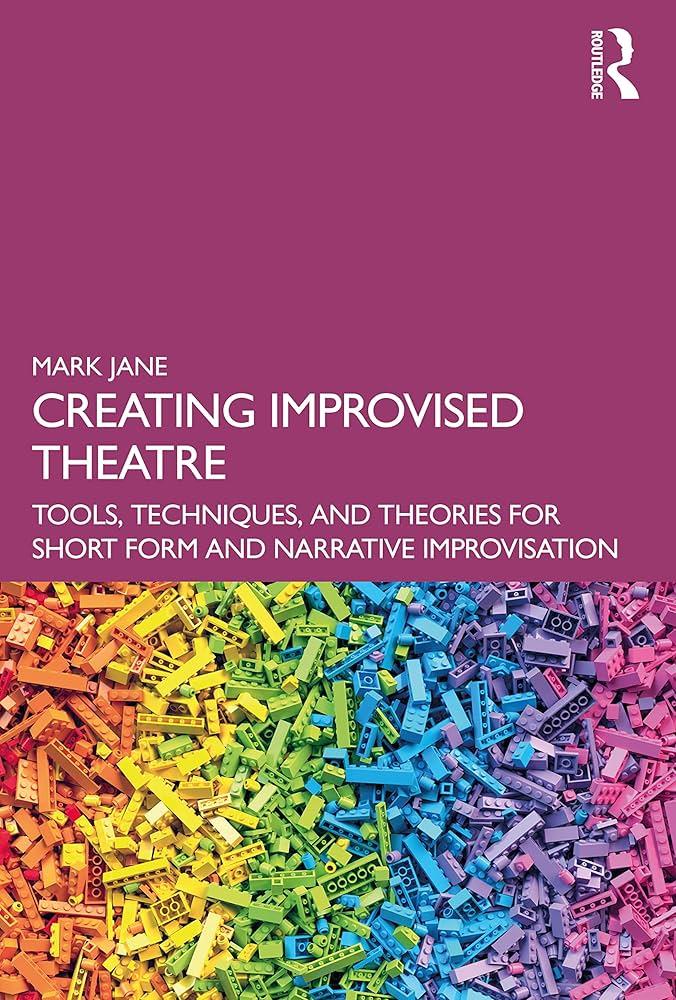
Creating Improvised Theatre
Tools, Techniques, and Theories
Mark Jane

The Routledge Companion to Improvisation in Organizations
Miguel Pina e Cunha; Dusya Vera; António Cunha Meneses

Devising Theatre
A Practical and Theoretical Handbook
Alison Oddey
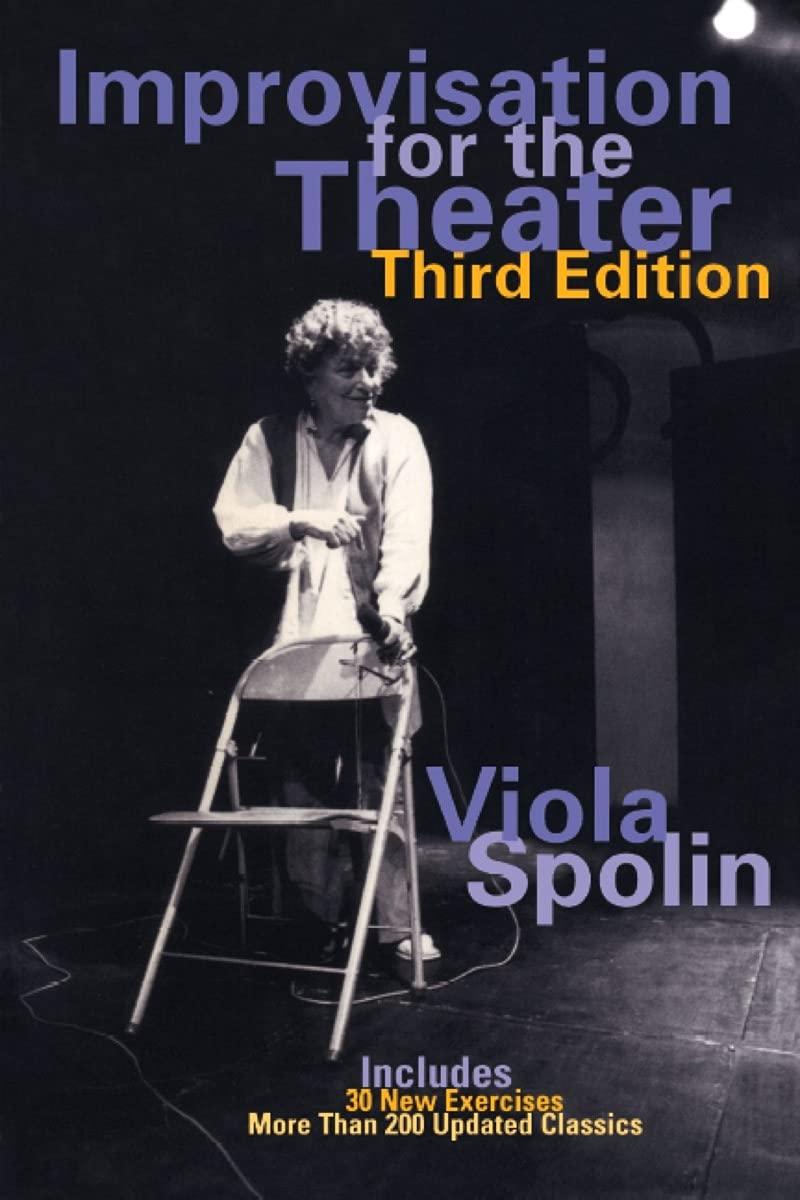
Improvisation for the Theater
A Handbook of Teaching and Directing Techniques
Viola Spolin
How to Reference This Page
The Improv Archive. (2026). Bridging. Retrieved September 28, 2026, from https://improvarchive.org/learn-improv/concepts/bridging
The Improv Archive. "Bridging." The Improv Archive, 2026. https://improvarchive.org/learn-improv/concepts/bridging.
The Improv Archive. "Bridging." The Improv Archive, 2026, https://improvarchive.org/learn-improv/concepts/bridging. Accessed September 28, 2026.
The Improv Archive is a systemically maintained repository. The archive itself acts as the corporate author.