Overaccepting
A response to an offer that takes the offer further than the offering partner intended, expanding rather than simply accepting the premise. In Keith Johnstone's framework, overaccepting is an alternative to blocking that allows a performer to redirect a scene while still honoring the offer. If someone says "Sit down," overaccepting might mean collapsing dramatically to the floor.
When an improviser receives an offer and takes it further than the offering partner intended, expanding rather than simply accepting the premise, they are overaccepting. In Keith Johnstone's framework, overaccepting is an alternative to blocking that allows a performer to redirect a scene while still honoring the offer. If someone says "Sit down," overaccepting might mean collapsing dramatically to the floor. The technique sits on a spectrum of possible responses to offers: where blocking refuses the reality of what has been presented, and accepting merely agrees with it, overaccepting treats the offer as carrying far more weight or significance than the speaker intended.
Johnstone developed the concept as part of his broader exploration of status, narrative, and spontaneity. The technique appears prominently in his teaching through the exercise "It's Tuesday," which he designed specifically to train overaccepting. In this exercise, one performer makes a completely mundane statement, and the other responds as though that statement carries enormous emotional significance. The same sentence might function as a death sentence in one scene, a love confession in another, and a declaration of war in a third. The exercise demonstrates that meaning in improvisation is not fixed by the speaker but is co-created by the receiver's response.
In teaching contexts, overaccepting is typically introduced alongside blocking, wimping, waffling, and accepting as a way of categorizing possible responses to offers. Coaches use exercises like "It's Tuesday" specifically to help performers identify and practice these different response modes. The emphasis in coaching tends toward genuine emotional response rather than performed surprise. A performer who overaccepts effectively discovers a real reason for their strong reaction rather than simply mugging shock. The goal is internal justification: the audience should believe that the mundane statement genuinely carries weight for this character in this moment.
Several variations on the basic concept appear in practice. Chain overaccepting involves each performer overaccepting the previous statement in sequence, building escalating emotional stakes throughout a scene. Group overaccepting extends this to an entire ensemble responding collectively. In leadership and applied improvisation contexts, overaccepting serves as a tool for building on others' contributions with exaggerated enthusiasm, training participants to amplify rather than diminish the offerings of their collaborators.
The primary pitfall in overaccepting is treating it as an excuse for gagging or excessive silliness. When performers overaccept without genuine emotional commitment, the technique becomes a comedy device disconnected from scene work. Coaches typically caution against this tendency, noting that the power of overaccepting lies in its emotional truth rather than its comic exaggeration. A performer who connects a mundane statement to a deeply felt character need creates compelling theatre; one who merely reacts with escalating volume creates noise.
Overaccepting relates closely to the broader Johnstonian principle that offers can be transformed by the receiver. It shares territory with concepts like raising the stakes and emotional commitment, but it is distinctive in that it specifically addresses the relationship between what is offered and what is received. The technique demonstrates that an improviser need not refuse an offer to change its direction; instead, they can honor the offer while fundamentally reinterpreting its significance.
Further Reading
See all books →
The Improv Handbook
The Ultimate Guide to Improvising in Comedy, Theatre, and Beyond
Tom Salinsky; Deborah Frances-White

Impro
Improvisation and the Theatre
Keith Johnstone

Acting Through Improv
Improv Through Theatresports
Lynda Belt; Rebecca Stockley

Improv to Improve Your Leadership Team
Tear down Walls and Build Bridges
Candy Campbell
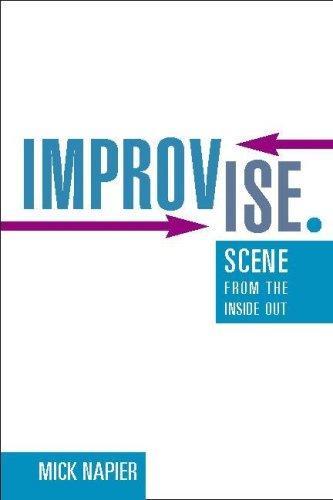
Improvise
Scene from the Inside Out
Mick Napier
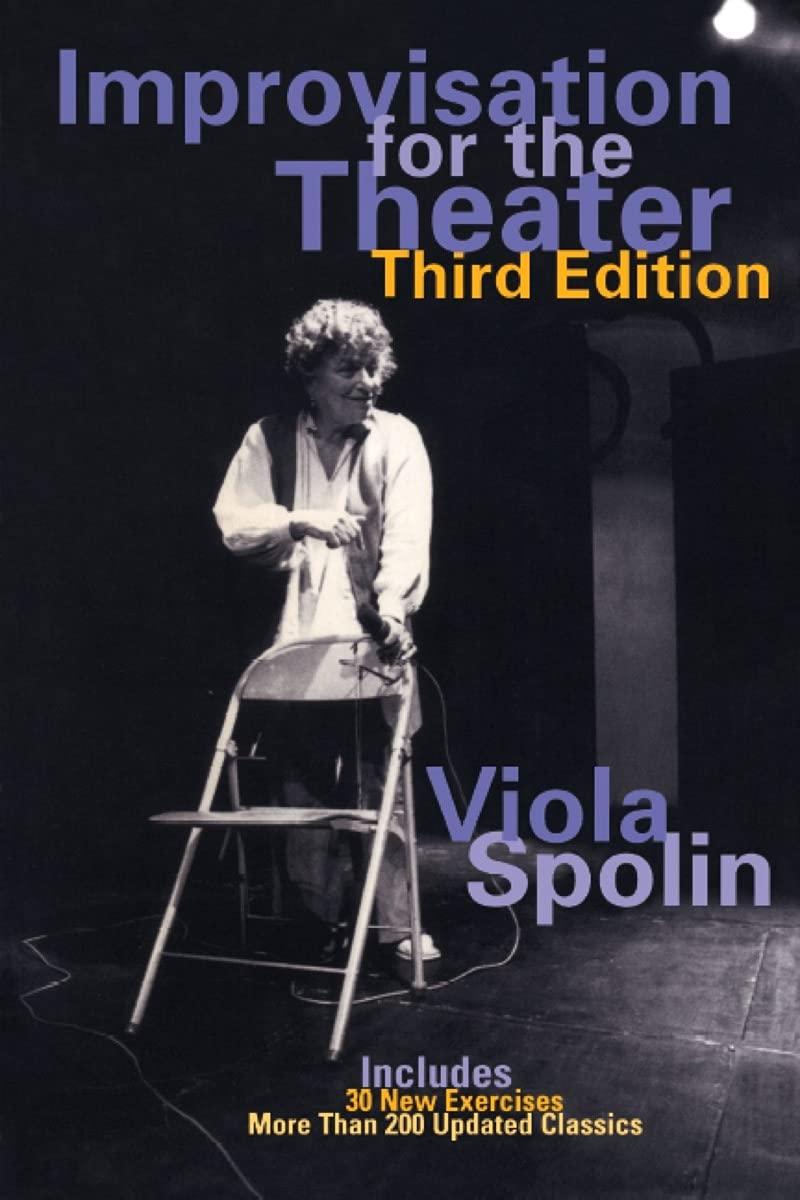
Improvisation for the Theater
A Handbook of Teaching and Directing Techniques
Viola Spolin
How to Reference This Page
The Improv Archive. (2026). Overaccepting. Retrieved September 28, 2026, from https://improvarchive.org/learn-improv/concepts/overaccepting
The Improv Archive. "Overaccepting." The Improv Archive, 2026. https://improvarchive.org/learn-improv/concepts/overaccepting.
The Improv Archive. "Overaccepting." The Improv Archive, 2026, https://improvarchive.org/learn-improv/concepts/overaccepting. Accessed September 28, 2026.
The Improv Archive is a systemically maintained repository. The archive itself acts as the corporate author.