Top of Intelligence
The principle that improvised characters should behave with the same awareness and intelligence that real people would have in equivalent situations. Characters played at the top of their intelligence recognize what is happening around them and respond with appropriate concern, confusion, or alarm rather than remaining oblivious for the sake of a joke.
One of the foundational principles in modern long-form improvisation, top of intelligence asks performers to endow their characters with the same awareness, reasoning, and emotional range that real human beings would bring to equivalent situations. Rather than playing dumb for the sake of a laugh, an improviser working at the top of intelligence allows their character to notice what is strange, react to what is alarming, and question what does not make sense. The concept addresses a common trap in comedic scenes: the temptation to have characters remain oblivious to absurd or escalating circumstances because their ignorance seems to generate easy humor.
The principle is most closely associated with the Upright Citizens Brigade and its training program, where it became a central tenet of scene work philosophy. As outlined in the UCB Comedy Improvisation Manual, a top of intelligence response is any real or truthful reaction a person might have in a given situation. If a character learns that their partner is pregnant, for instance, a top of intelligence approach does not prescribe a single correct emotional response; it simply requires that the response be grounded in genuine human behavior. Joy, panic, confusion, or denial could all qualify, so long as the reaction reflects how a thinking, feeling person would actually process such news. The concept draws on the broader tradition of truth in comedy championed by Del Close and the improvisers who followed him, emphasizing that the richest comedy emerges not from stupidity but from intelligent people confronting unusual circumstances.
In teaching and coaching, top of intelligence is often introduced as a corrective. Beginning improvisers frequently default to playing characters who fail to register the obvious, either because they believe ignorance is inherently funny or because acknowledging the reality of the scene feels like it might end the game too quickly. Instructors typically demonstrate that the opposite is true: a character who recognizes the absurdity of their situation and still has to navigate it creates far more compelling and sustainable comedy than one who simply never notices. The principle encourages performers to trust that their honest reactions will be funnier than any manufactured obliviousness.
A common misunderstanding is that top of intelligence means characters must be smart or articulate. The concept has nothing to do with a character's education level or vocabulary. A child, a confused tourist, or a person of limited expertise can all be played at the top of their intelligence; what matters is that they respond with the full awareness and emotional capacity appropriate to who they are. The principle is about behavioral authenticity, not intellectual sophistication.
Top of intelligence connects closely to several other core improv ideas. It reinforces the importance of agreement and "yes, and" by requiring performers to acknowledge the reality their scene partners establish rather than ignoring it. It supports the concept of heightening, since a character who recognizes something unusual is better positioned to explore and escalate that element. It also aligns with the principle of playing at the top of one's intelligence emotionally, treating stakes as real rather than trivializing them for a quick joke. When performers consistently apply this principle, scenes tend to develop stronger point of view, more grounded relationships, and comedy that arises organically from honest human behavior under pressure.
Further Reading
See all books →
The Upright Citizens Brigade Comedy Improvisation Manual
Matt Besser; Ian Roberts; Matt Walsh
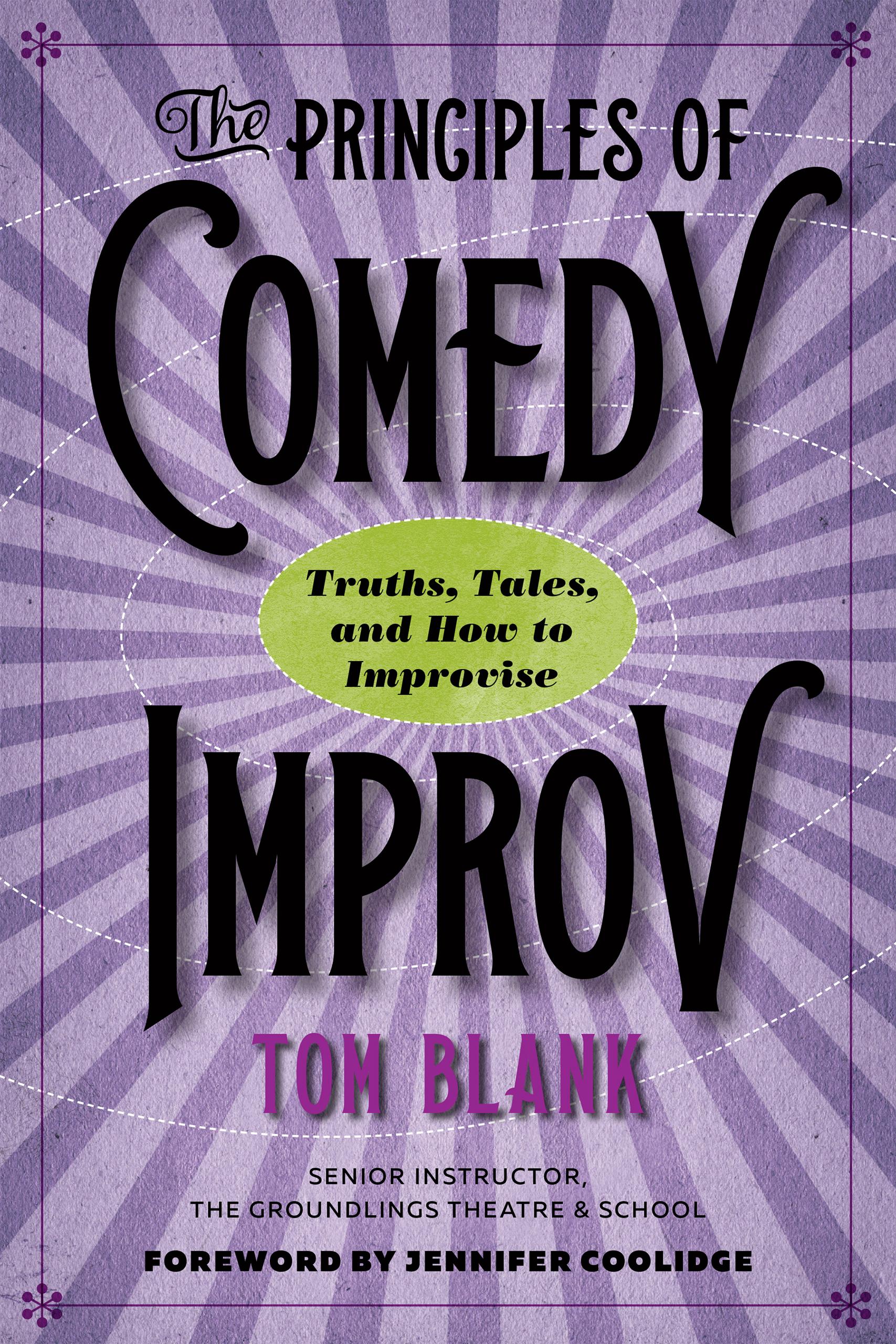
The Principles of Improv Comedy
Tom Blank

Truth in Comedy
The Manual of Improvisation
Charna Halpern; Del Close; Kim Howard Johnson

How to Be the Greatest Improviser on Earth
Will Hines
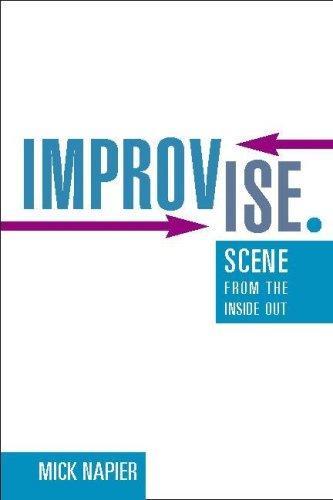
Improvise
Scene from the Inside Out
Mick Napier

The Art of Making Sh!t Up
Using the Principles of Improv to Become an Unstoppable Powerhouse
Norm LaViolette; Bob Melley
How to Reference This Page
The Improv Archive. (2026). Top of Intelligence. Retrieved September 28, 2026, from https://improvarchive.org/learn-improv/concepts/top-of-intelligence
The Improv Archive. "Top of Intelligence." The Improv Archive, 2026. https://improvarchive.org/learn-improv/concepts/top-of-intelligence.
The Improv Archive. "Top of Intelligence." The Improv Archive, 2026, https://improvarchive.org/learn-improv/concepts/top-of-intelligence. Accessed September 28, 2026.
The Improv Archive is a systemically maintained repository. The archive itself acts as the corporate author.