Justin Francin
Justin Franzen is an American improv performer, director, and entrepreneur from Denver, Colorado who founded Grafenberg Productions in 2013, one of Denver's primary long-form improv companies. He trained in Chicago at Second City and iO before returning to Colorado to build a performance and training institution. Note: the archive may carry an alternate spelling (Francin) of this name.
Franzen grew up in Lakewood, Colorado, and began performing comedy as a teenager at Fiore's Sports Bar in Highlands Ranch. He pursued formal improv training in Chicago, studying at Second City and iO (formerly ImprovOlympic), developing his performance and teaching practice under Chicago's primary long-form institutions before returning to Colorado.
Back in Denver, Franzen taught improv and performed at various venues in the city before founding Grafenberg Productions in 2013. Prior to securing a permanent home, the company performed at spaces including the Comedy Room, Atlas Theater, Backstage at Beryl's, and Deer Pile. Grafenberg launched The Playschool, a five-level improv curriculum, and grew a consistent student and performer community around its structured long-form approach.
In 2018 Grafenberg opened a dedicated venue at 1223 21st Street in Denver's Ballpark neighborhood, housed in space behind and below El Charrito restaurant. The company ran an Indiegogo crowdfunding campaign to fund the buildout, establishing a dedicated stage and classroom facility for the first time in the organization's history. The venue allowed Grafenberg to combine regular performance runs with ongoing Playschool classes under one roof.
Franzen has characterized Grafenberg's aesthetic as more theatrical and refined than conventional short-form improv, describing the company's work as blending narrative elements similar to Curb Your Enthusiasm and Saturday Night Live. He has taught improv in Denver and at festivals nationally, including in New York, Chicago, Cincinnati, Omaha, and other markets. Performers in Grafenberg include ensemble teams such as The Couch and For the Record. Francin's national improv festival teaching work, which has taken him to festivals in New York, Chicago, Cincinnati, Omaha, and other markets, reflects a broader footprint in the improv community than a strictly Denver-based career would suggest. His festival teaching has given him exposure to improv communities outside Denver and established him as a recognized teacher beyond his home market, contributing to Grafenberg Productions' reputation within the national improv scene as well as the local Denver context.
His ensemble team development within Grafenberg, including the Couch ensemble and For the Record ensemble that perform under the company's umbrella, reflects the institution-building approach that characterizes serious regional long-form companies: developing multiple performing groups within a single organizational structure rather than relying on a single ensemble to carry all of the company's programming. This organizational structure more closely resembles the house team model of major institutions than the single-ensemble model of many regional companies.
His training background at Second City and iO in Chicago before returning to Denver gave him grounding in the major institutional approaches to long-form improv pedagogy, which he has applied to the Denver context with awareness of both the resources and the limitations that a regional market provides compared to Chicago's concentrated training infrastructure. His public articulation of Denver improv's challenges, including the market's historical difficulty achieving mainstream cultural penetration, reflects a pedagogical self-awareness about the specific obstacles that regional improv institution-building faces.
Historical Context
Grafenberg Productions represents a documented instance of a Chicago-trained improviser returning to a hometown regional market and building a long-form institution from scratch. Denver's improv scene, according to Franzen's own public statements, has historically struggled to achieve the mainstream cultural recognition that stand-up comedy enjoys in the same market, making the development of a dedicated long-form improv venue and training program there a project requiring sustained commitment against structural market indifference.
Grafenberg's Playschool curriculum placed structured long-form improv training in Denver at a time when the city's comedy infrastructure was primarily centered on stand-up. Its sustained operation since 2013 represents one of the more enduring independent long-form improv institutions in the American mountain west.
Legacy
Grafenberg Productions has operated as Denver's primary independent long-form improv training and performance institution since 2013, providing a sustained pipeline for performers and students in a market without the deep institutional improv history of Chicago, New York, or Los Angeles. Franzen's decision to share performance proceeds with cast members represented an unusually performer-centered financial model within the regional improv landscape. Grafenberg Productions has operated since 2013 as Denver's primary independent long-form improv training and performance institution. Francin's founding work created an organizational home for long-form improv in Denver that did not previously exist in the same concentrated form, giving Denver improvisers access to structured long-form training, ensemble performing opportunities, and festival participation that the broader improv community had not previously been able to access without relocating to Chicago, New York, or other major improv centers.
His festival teaching work, reaching improv communities in multiple national markets, has contributed to the spread of Denver improv's practices and aesthetic into the broader national improv conversation. His public advocacy for Denver improv's development, including his documented articulation of the city's historical improv challenges, has contributed to a more active conversation within the Denver comedy community about the specific obstacles and opportunities that regional long-form institution-building presents.
The ensemble teams he has developed within Grafenberg, including the Couch and For the Record ensembles, represent the performing infrastructure that gives the institution's training a performance context and development pathway for its students. The institution's ability to sustain multiple performing ensembles reflects the organizational depth that Francin has built into Grafenberg's programming structure over its years of operation.
His return to his hometown Denver market after training in Chicago reflects the broader pattern of Chicago-trained improvisers establishing regional institutions that the improv community has relied on to extend long-form performance culture into cities that lack Chicago's concentrated institutional resources. Grafenberg's operation as the primary institution of this type in Denver makes Francin's founding contribution central to the development of Denver's long-form improv identity.
Recommended Reading
Books are ordered from the strongest direct connection outward to broader relevance.
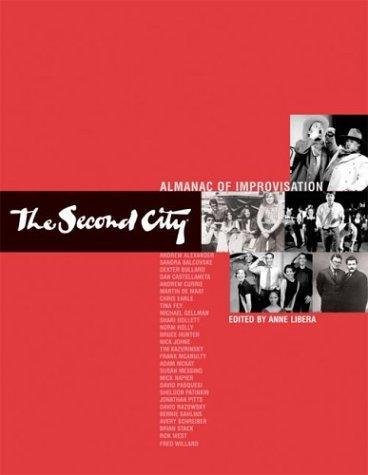
The Second City Almanac of Improvisation
Anne Libera

The Art of Chicago Improv
Short Cuts to Long-Form Improvisation
Rob Kozlowski

Directing Improv
Asaf Ronen
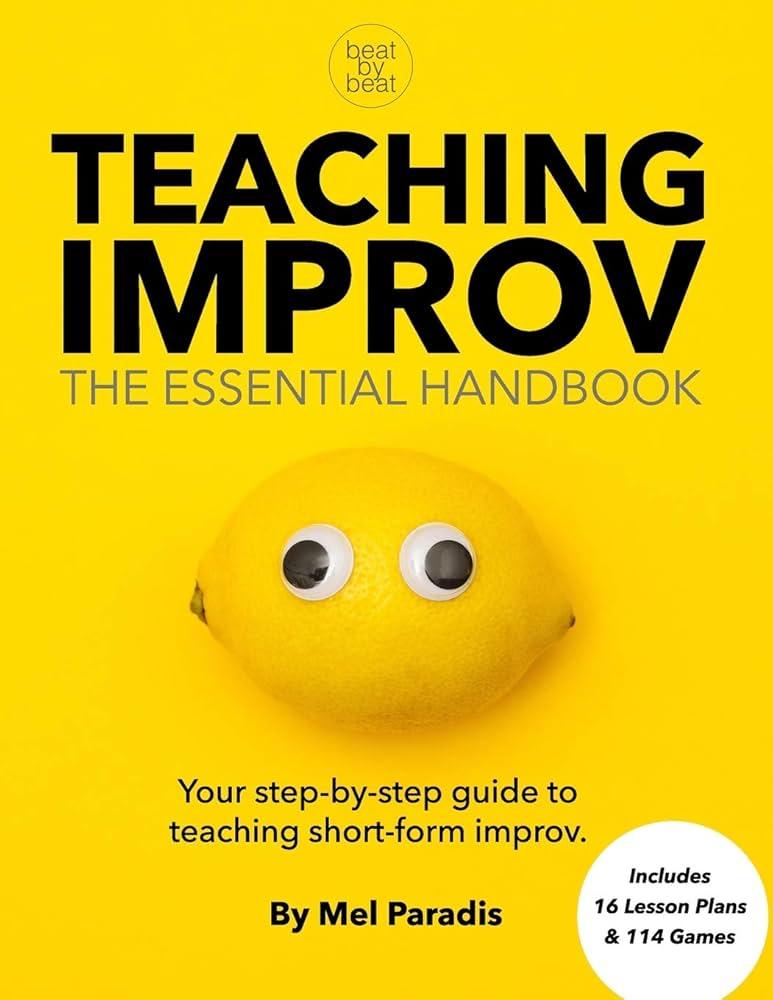
Teaching Improv
The Essential Handbook
Mel Paradis

The Second City Unscripted
Revolution and Revelation at the World-Famous Comedy Theater
Mike Thomas
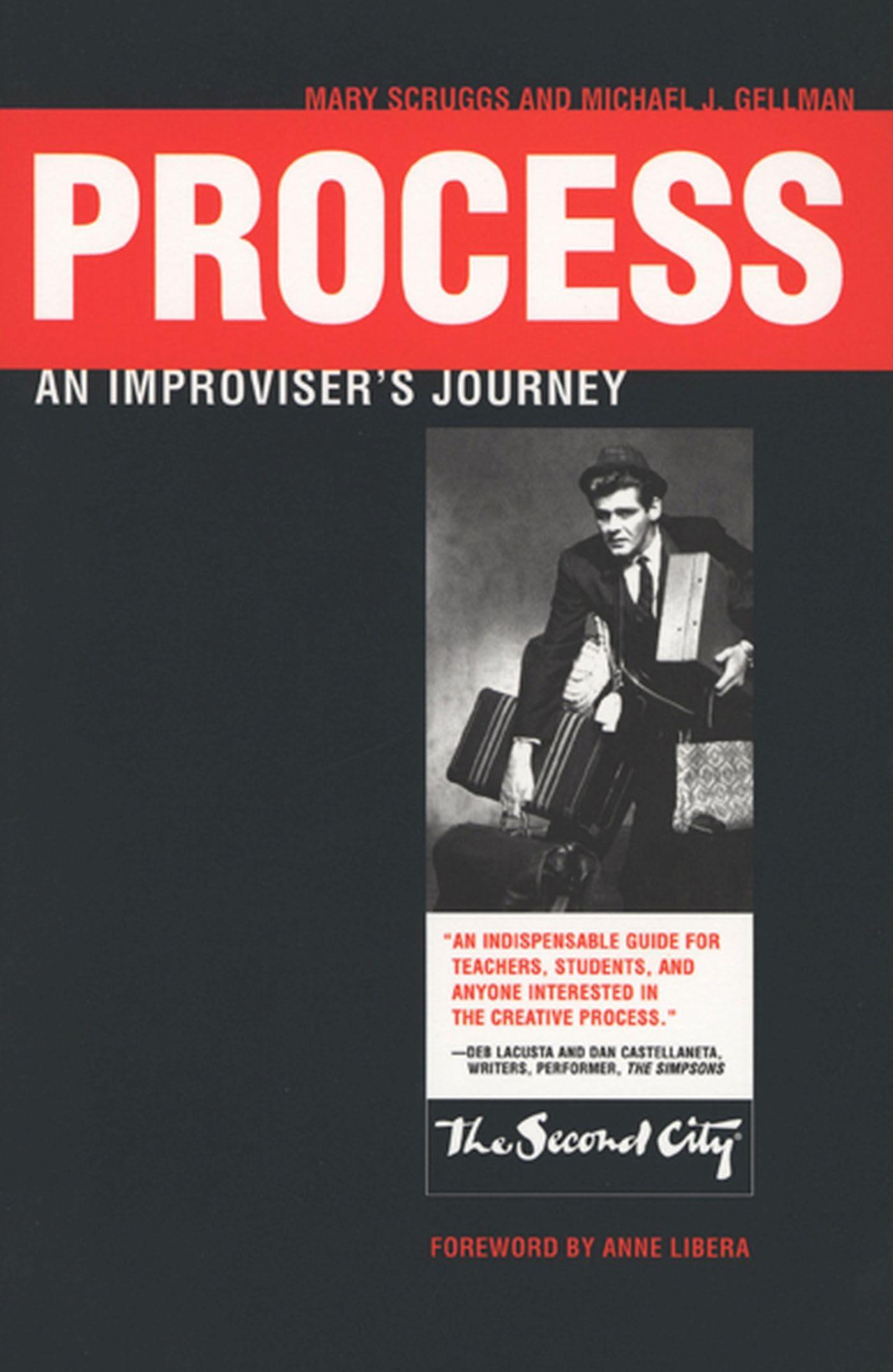
Process: An Improviser's Journey
Mary Scruggs; Michael J. Gellman
References
How to Reference This Page
The Improv Archive. (2026). Justin Francin. Retrieved September 28, 2026, from https://improvarchive.org/people/justin-francin
The Improv Archive. "Justin Francin." The Improv Archive, 2026. https://improvarchive.org/people/justin-francin.
The Improv Archive. "Justin Francin." The Improv Archive, 2026, https://improvarchive.org/people/justin-francin. Accessed September 28, 2026.
The Improv Archive is a systemically maintained repository. The archive itself acts as the corporate author.