Nicholas Emanuel
Nicholas Emanuel is an American filmmaker and improviser who co-founded ImprovBoston in 1983 alongside Ellen Holbrook and Katy Bolger. Building on Ellen Holbrook's 1982 assembly of Boston improvisers competing in a local Improv Olympic format at venues near Government Center, Emanuel and Bolger joined Holbrook to move the organization in a more commercial direction, relocating the group to Satch's near Copley Square in Boston. ImprovBoston subsequently became a not-for-profit corporation in 1984 and went on to operate for more than forty years as Cambridge's primary improv theater before closing at the end of 2023.
Holbrook had assembled and trained loosely organized improv teams in Boston in 1982, staging competitive improv events in a local Improv Olympic format at Reilly's Beef and Pub near Government Center. The Boston Improv Olympic drew on the competitive format that Charna Halpern and Del Close were developing in Chicago, adapting it for a Boston venue context. In 1983, Emanuel and Katy Bolger joined the effort to form ImprovBoston and to take it in a more commercial direction. Using Emanuel's connections in the Boston entertainment and nightlife community, the organization relocated to Satch's near Copley Square, a venue owned by former Boston Celtics player Satch Sanders. The partnership with Sanders provided ImprovBoston with a visible venue in a prominent Boston neighborhood.
In 1984, ImprovBoston incorporated as a not-for-profit organization and moved to Ryles Jazz Club in Cambridge at Inman Square, where it built the stable institutional base that would eventually anchor it at Massachusetts Avenue in Central Square. From its Cambridge home, ImprovBoston developed into a significant regional improv institution, offering performances, classes, and community programming over the following four decades before closing at the end of 2023.
Emanuel later developed a career in film production and direction. His personal website identifies him primarily as a filmmaker, suggesting that film became his primary professional focus after ImprovBoston's early years. The extent of his ongoing involvement with ImprovBoston after its initial founding phase is not documented in available sources. Emanuel's transition from ImprovBoston's founding years to a primary career in filmmaking reflects the trajectory of a practitioner whose initial investment in improv institution-building was followed by a shift toward the visual and narrative arts that his production experience had developed alongside his comedy work. His work as a filmmaker, as documented on his personal website, suggests a professional focus on documentary and narrative film production that draws on the organizational and storytelling skills he had developed through his comedy theater and entertainment industry background.
His use of connections in the Boston entertainment and nightlife community, including the relationship with Satch Sanders that placed ImprovBoston at Satch's near Copley Square in the early 1980s, demonstrates an ability to leverage community relationships for institutional benefit that served ImprovBoston's survival during its formative years. The organizational work of establishing ImprovBoston at a credible Boston venue, securing consistent performance space, and building the audience base that allowed the organization to persist required exactly this kind of practical community resourcefulness.
His subsequent film career has developed independently of his Boston comedy origins, but the organizational, narrative, and creative competencies he developed through ImprovBoston's founding years represent a foundation for the collaborative storytelling work that film production requires. The overlap between improv ensemble coordination and film production collaboration reflects the transferability of improvisational and organizational skills across creative disciplines that many practitioners who began in improv have documented in their subsequent professional work.
Historical Context
ImprovBoston's founding in the early 1980s occurred in a period when the major models for sustained improv institutions were still being established. Second City had been operating in Chicago since 1959, and the ImprovOlympic had launched in 1981, but most cities outside Chicago and New York lacked dedicated improv companies. The Boston Improv Olympic format that preceded ImprovBoston's formal founding, and Emanuel's role in helping to institutionalize and commercially position the effort, placed ImprovBoston among the earliest regional improv companies in the United States.
The move from Reilly's Beef and Pub near Government Center to Satch's and then to Ryles Jazz Club reflected the pattern of early improv companies developing through informal venue relationships before establishing permanent institutional homes, a trajectory similar to what Chicago's improv companies had followed in earlier decades. Emanuel's ability to secure the Satch's venue through his Boston entertainment connections gave ImprovBoston a more prominent public profile in its early years than it might have achieved without those relationships.
Legacy
ImprovBoston, which Emanuel co-founded in 1983, operated for more than forty years, making it one of the longest-running regional improv theaters in the United States outside of Chicago and New York. The organization trained a generation of Boston performers, developed a curriculum and performance program, and served as the primary institutional home for Cambridge-area improv throughout its run before closing at the end of 2023. Emanuel's role in helping to move ImprovBoston from informal competitive shows to a commercially anchored nonprofit institution contributed to the organizational viability that allowed the company to persist for four decades. The founding of ImprovBoston in 1983 contributed to the spread of improv institutional infrastructure beyond the major improv centers during the formative decade when regional scenes began to develop. Emanuel's co-founding of ImprovBoston in 1983 alongside Ellen Holbrook and Katy Bolger established an improv institution in Boston that would operate for four decades, making it one of the longest-running regional improv organizations in the American improv community. The founding of ImprovBoston during the early 1980s, when institutional improv outside Chicago was still rare, contributed to the geographic dispersal of improv institutional infrastructure that gathered momentum across the decade.
His specific contribution to ImprovBoston's early survival through the use of his Boston entertainment industry connections represents a practical legacy of institutional problem-solving that allowed an organization with minimal resources to find performance venues and build audiences during its critical formative period. The theater's subsequent four-decade operation is in part an outcome of the organizational foundation that those early decisions established.
ImprovBoston's role as a training and performing institution for Boston improvisers across four decades produced multiple generations of Boston-area performers and teachers whose careers were shaped by access to improv training and performance opportunities that would not have existed without the institutional infrastructure Emanuel helped establish in 1983. His legacy is embedded in that institutional continuity, even though his own professional focus shifted away from comedy theater to filmmaking in the years following ImprovBoston's founding.
Recommended Reading
Books are ordered from the strongest direct connection outward to broader relevance.

The Art of Chicago Improv
Short Cuts to Long-Form Improvisation
Rob Kozlowski
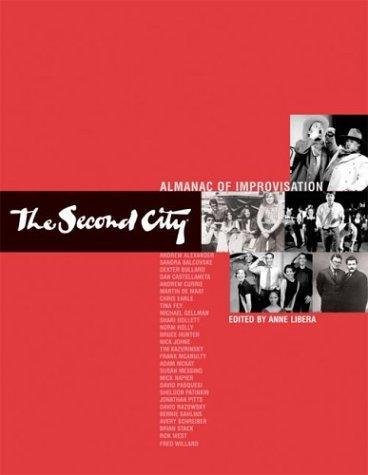
The Second City Almanac of Improvisation
Anne Libera

Truth in Comedy
The Manual of Improvisation
Charna Halpern; Del Close; Kim Howard Johnson

Chicago Comedy
A Fairly Serious History
Margaret Hicks; Mick Napier
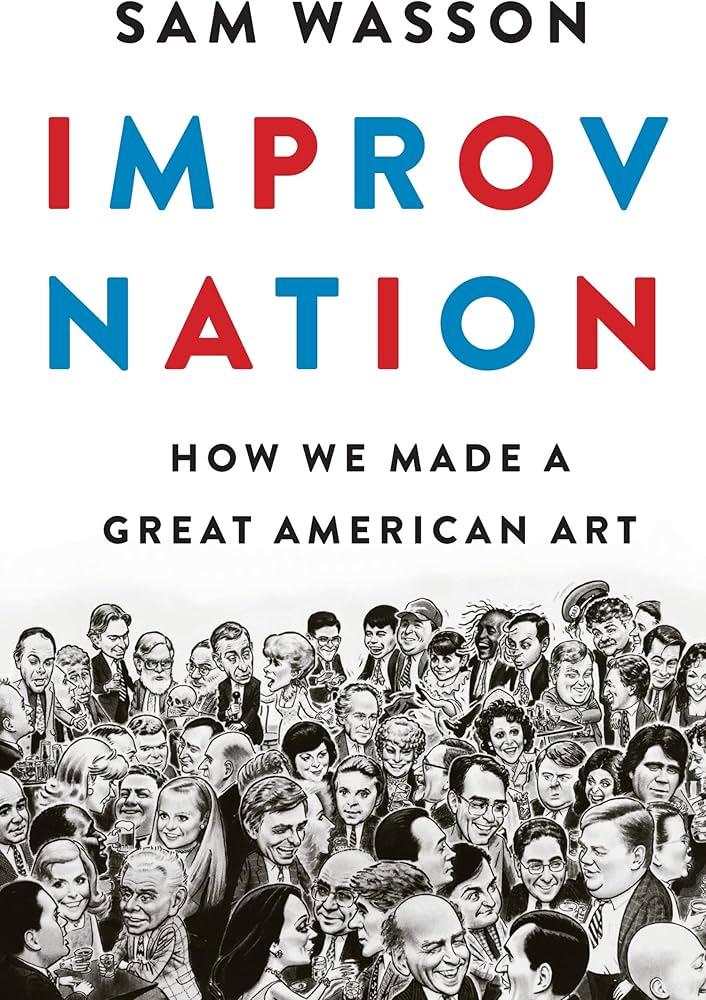
Improv Nation
How We Made a Great American Art
Sam Wasson
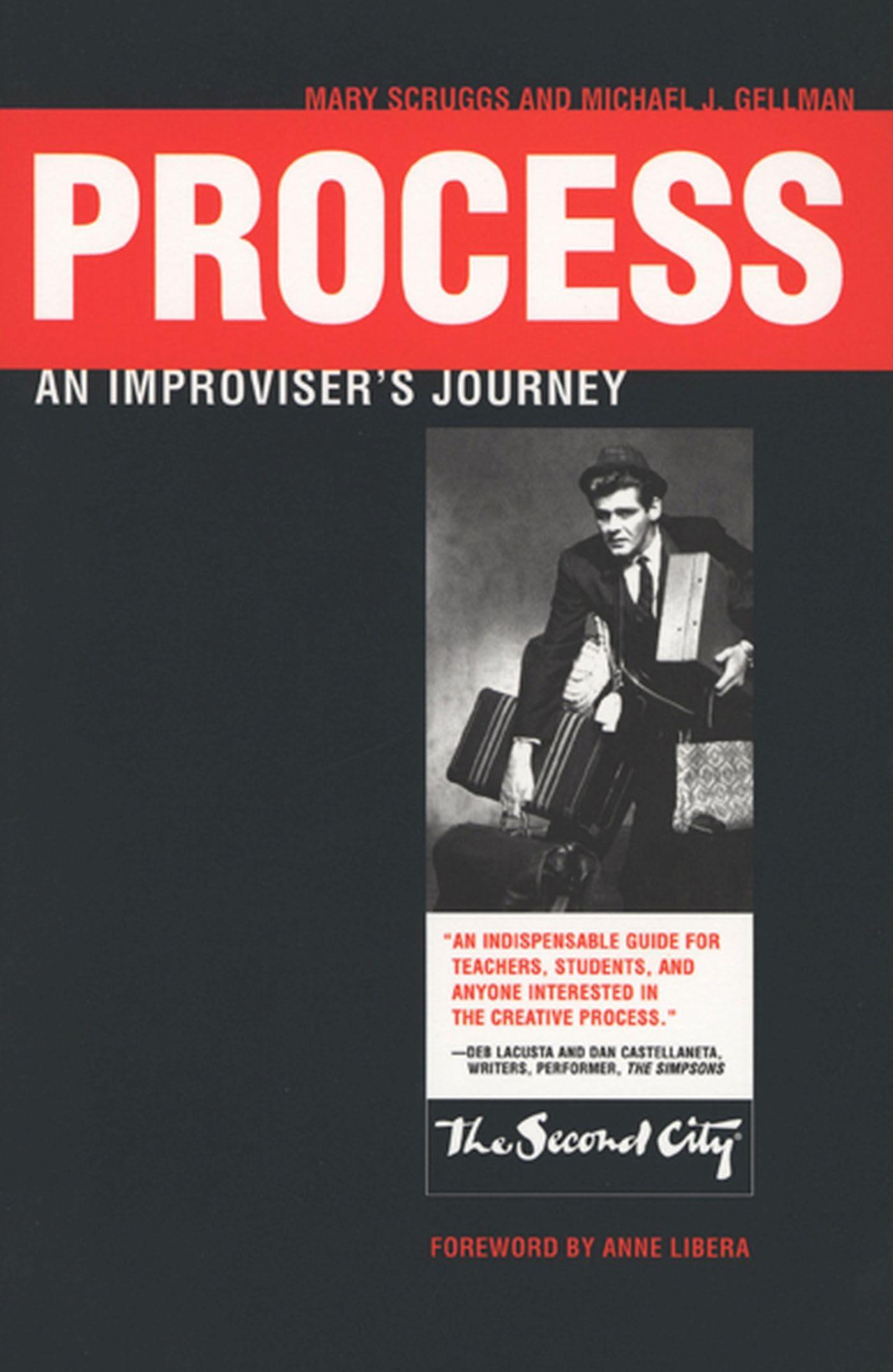
Process: An Improviser's Journey
Mary Scruggs; Michael J. Gellman
References
How to Reference This Page
The Improv Archive. (2026). Nicholas Emanuel. Retrieved September 28, 2026, from https://improvarchive.org/people/nicholas-emanuel
The Improv Archive. "Nicholas Emanuel." The Improv Archive, 2026. https://improvarchive.org/people/nicholas-emanuel.
The Improv Archive. "Nicholas Emanuel." The Improv Archive, 2026, https://improvarchive.org/people/nicholas-emanuel. Accessed September 28, 2026.
The Improv Archive is a systemically maintained repository. The archive itself acts as the corporate author.