Nick Johne
Nick Johne is a Canadian actor, improviser, and teacher who joined the Toronto Second City troupe in 1991 and subsequently relocated to Chicago, where he became a longtime performer and instructor at Second City Chicago and adjunct faculty in the Theater Department at DePaul University. He is best known for playing Dwayne Dortmund, Murray Woolworth's dim-witted assistant, in the second season of the Canadian television series The Red Green Show. At Second City he developed the Improv Anxiety program and created an improvisation curriculum for students on the autism spectrum, working with colleague Lisa Bany to bring the program to autism centers including the Orlando Center for Autism.
Johne studied microbiology at the Ontario Agricultural College before pursuing comedy, drawn into improvisational performance through free improv classes offered at the Harbourfront Centre in Toronto. He joined the Toronto Second City troupe in 1991, entering the professional improv world through one of Canada's foundational comedy institutions.
His television work includes a recurring role as Dwayne Dortmund, the dim-witted assistant to Murray Woolworth, in the second season of The Red Green Show, a long-running Canadian comedy series. The role brought him a broader public profile in Canadian entertainment circles.
Johne relocated to Chicago to continue his work with Second City. At Second City Chicago he performed with ensembles and taught in the training center curriculum, developing the Improv Anxiety program, a specialized class designed for students who experience anxiety in performance and social contexts. He also served as adjunct faculty in the Theater Department at DePaul University, integrating improv training into the university's performing arts curriculum.
Inspired by his daughter Emma, who is neurodiverse and a gifted vocalist, Johne developed a specialized improv curriculum for students on the autism spectrum. Working with Second City faculty member Lisa Bany, he brought the Improvisation for Autism program to external organizations including the Orlando Center for Autism in Florida, teaching improv skills to students with Autism Spectrum Disorder. The program drew on Second City's pedagogical methods and adapted them for the specific social communication contexts of ASD instruction. He discussed this work in a 2018 episode of Second City Works' Getting to Yes, And podcast alongside Dr. Sylvia Smith, director of Giant Steps.
Historical Context
Johne's career spanned two national comedy contexts: the Canadian improv and sketch tradition anchored by Second City Toronto, and the Chicago-centered training and applied improv expansion of the 1990s and 2000s. His work on The Red Green Show placed him within a distinctly Canadian popular comedy tradition, while his subsequent move to Chicago aligned him with the professional development infrastructure that Second City Chicago had built as both a performance company and a training institution.
The Improvisation for Autism program represented an early instance of applying Chicago-style improv pedagogy to clinical and educational settings for neurodivergent populations, a use of improv methods that has expanded significantly since the mid-2000s across therapeutic and educational contexts. Johne's personal connection to neurodiversity through his daughter Emma gave the program an authenticity and specificity that externally commissioned applied programs sometimes lack, and his institutional position at Second City gave it organizational credibility and reach.
The Improv Anxiety classes at Second City represented a parallel application of improv to psychological access barriers, recognizing that anxiety prevents many people from engaging with improv as either performance or therapeutic practice. By creating a dedicated program for that population, Johne helped extend Second City's training center reach to students who would not enter through the standard curriculum pathway.
Teaching Philosophy
Johne's teaching at Second City Chicago and his appointment as adjunct faculty in the Theatre Department at Columbia College Chicago place him within one of the deepest institutional lineages in North American improv pedagogy. His training at the Harbourfront Centre in Toronto and his entry into the Second City Toronto troupe in 1991 gave him grounding in the Canadian branch of the Second City tradition before his relocation to Chicago extended that engagement into the American institutional context.
His classroom approach draws on the character-based, truth-in-comedy principles that the Second City tradition has developed across both its Toronto and Chicago operations. Where many improv teachers work within a single institutional tradition, Johne's career across two national contexts gives his teaching a comparative perspective on how improv pedagogy has developed differently in Toronto and Chicago, and what the shared principles of that tradition look like when applied in distinct theatrical and cultural environments.
At Columbia College Chicago, his work as adjunct faculty positions his improv teaching within a formal theatre studies curriculum, requiring him to articulate improv principles in terms that meet both the standards of professional comedy training and the academic requirements of theatrical education. This dual audience (comedy performance students and theatre conservatory students) shapes his pedagogical framing, demanding that improv technique be presented not only as a set of performance skills but as a body of theatrical and human knowledge with its own intellectual coherence.
His long tenure at Second City Chicago has given him exposure to successive generations of students, performers, and ensembles across the institution's training programs, and his teaching carries the accumulated understanding of someone who has observed improv development and improv failure across a career-length timeline at one of the world's foremost comedy training institutions.
Legacy
Johne's Improvisation for Autism curriculum, developed at Second City Chicago with Lisa Bany and extended to autism centers in multiple states, contributed to the growing body of applied improv work with neurodivergent populations. The program drew institutional credibility from its Second City affiliation and has been documented through the Second City Works podcast, placing it within a lineage of evidence-based applied improv applications. His Improv Anxiety program at Second City addressed a barrier to improv participation that many students face, creating a pathway for students who would otherwise self-select out of traditional improv training. His DePaul University faculty role extended his influence into the formal academic training of theater students in a Chicago context.
Recommended Reading
Books are ordered from the strongest direct connection outward to broader relevance.

The Improv Illusionist
Using Object Work, Environment, and Physicality in Performance
David Raitt
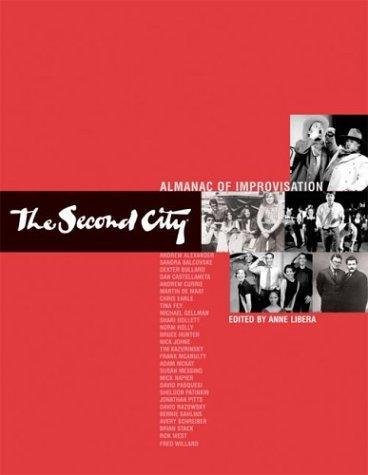
The Second City Almanac of Improvisation
Anne Libera
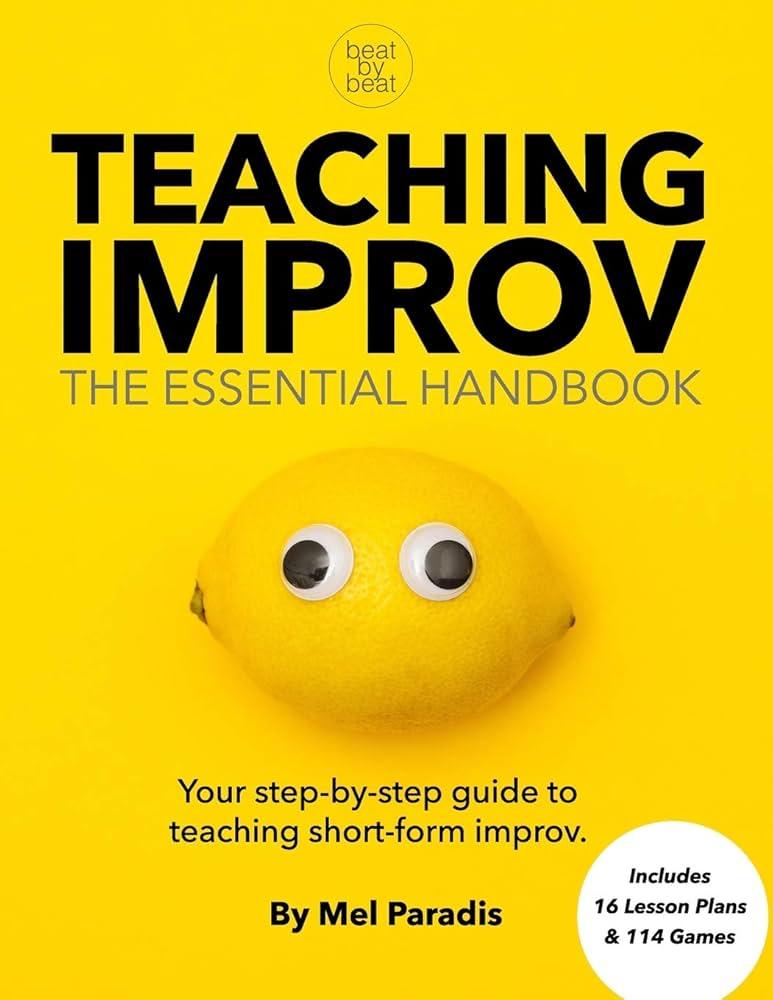
Teaching Improv
The Essential Handbook
Mel Paradis

The Second City Unscripted
Revolution and Revelation at the World-Famous Comedy Theater
Mike Thomas
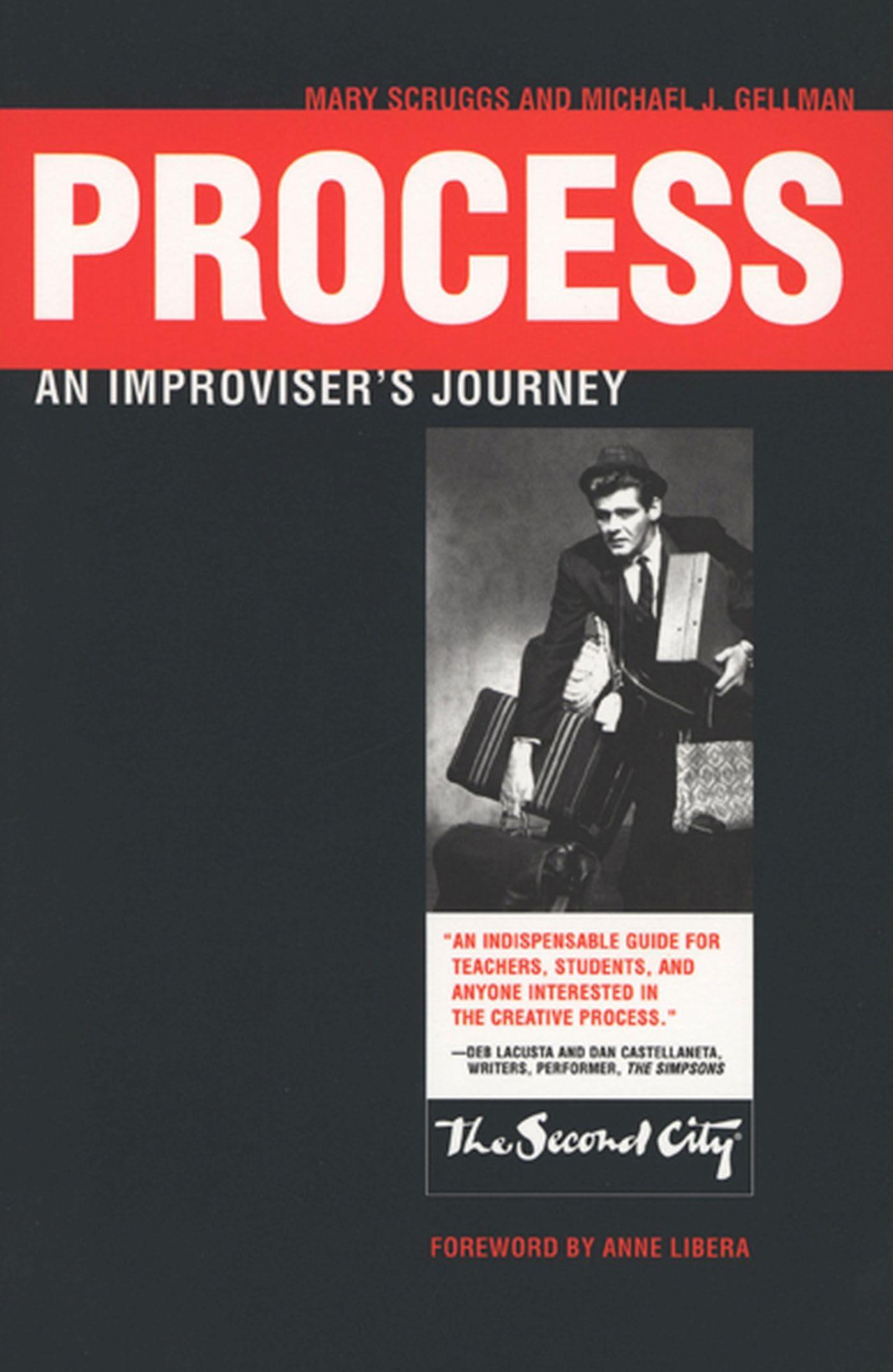
Process: An Improviser's Journey
Mary Scruggs; Michael J. Gellman

Something from Nothing
The Technique of Improvisation
Richard Goteri
References
In the Archive
How to Reference This Page
The Improv Archive. (2026). Nick Johne. Retrieved September 28, 2026, from https://improvarchive.org/people/nick-johne
The Improv Archive. "Nick Johne." The Improv Archive, 2026. https://improvarchive.org/people/nick-johne.
The Improv Archive. "Nick Johne." The Improv Archive, 2026, https://improvarchive.org/people/nick-johne. Accessed September 28, 2026.
The Improv Archive is a systemically maintained repository. The archive itself acts as the corporate author.