Shelley Berman
Shelley Berman (born Sheldon Leonard Berman, February 3, 1925, Chicago, Illinois, to September 1, 2017, Bell Canyon, California) was a comedian, actor, and educator who performed with the Compass Players in Chicago before becoming one of the most successful stand-up comedians of the late 1950s and 1960s. His debut album Inside Shelley Berman (1959) topped the Billboard charts and won the inaugural Grammy Award for Best Comedy Performance. He was the first comedian to perform at Carnegie Hall (1960) and later taught humor and improvisation at the University of Southern California for more than twenty years.
Berman was born in Chicago to a Jewish family. His father Nathan owned a tavern on the West Side. He served in the United States Navy during World War II, receiving an honorable discharge in 1943 due to asthma. After his military service, he studied drama at the Goodman School of Drama at the Art Institute of Chicago.
Berman moved to New York City in 1949 to pursue acting but eventually returned to Chicago, where he joined the Compass Players in 1956. The Compass, founded by Paul Sills and David Shepherd, was the groundbreaking improvisational ensemble that directly preceded The Second City. At the Compass, Berman performed alongside Mike Nichols, Elaine May, and Severn Darden, developing the skills in spontaneous character work and audience connection that would define his solo career.
Berman's breakthrough came in 1957 at Mister Kelly's nightclub in Chicago with routines built around one-sided telephone conversations. He performed seated rather than pacing the stage, creating an intimate, conversational style that distinguished him from traditional stand-up comedians. The telephone routines presented audiences with half of a conversation, requiring them to infer the other side, a technique rooted in the improvisational skill of building a scene from a single point of view.
Between 1959 and 1963, Berman released six albums with Verve Records. His debut, Inside Shelley Berman (1959), topped the Billboard charts, won the inaugural Grammy Award for Best Comedy Performance, and became the first non-musical album to be certified gold. Three of his albums achieved gold certification, a commercial achievement unprecedented for a comedy recording artist at the time. He became the first comedian to perform at Carnegie Hall in 1960.
Berman made twenty-two appearances on The Ed Sullivan Show and became a regular on the television variety circuit, including The Tonight Show. His fame reached a peak in the early 1960s before a documentary crew inadvertently captured a backstage outburst, which damaged his public image.
In later decades, Berman returned to acting with notable television roles. He played Nat David, Larry David's father, on Curb Your Enthusiasm (2002 to 2009), earning a Primetime Emmy nomination in 2008 for Outstanding Guest Actor in a Comedy Series. He also appeared in Boston Legal (2004 to 2008).
Berman joined the University of Southern California's Master of Professional Writing program as a lecturer in humor and improvisation, teaching for more than twenty years until 2013. He died on September 1, 2017, at age ninety-two in Bell Canyon, California, from complications of Alzheimer's disease. His personal archive was acquired by the National Comedy Center in Jamestown, New York, in 2018.
Historical Context
Berman's career represents one of the earliest examples of how improvisational training could launch a performer into mainstream commercial success. His time at the Compass Players in 1956, though relatively brief, provided the foundational skills in spontaneous character work and audience connection that powered his recording and television career. The telephone routines that made him famous were essentially improvised scenes performed solo, with the audience completing the picture that the Compass's ensemble training had taught him to build.
His debut album Inside Shelley Berman (1959) marked a turning point in the comedy recording industry. Before Berman, comedy albums were novelty products. His commercial success, topping the Billboard charts and achieving gold certification, demonstrated that spoken-word comedy could compete with music for record sales. The album's intimate, conversational style, rooted in the naturalistic performance aesthetic of the Compass Players, influenced the generation of comedians who followed.
Berman's seated performance style broke with the convention of stand-up comedians working the stage physically. By sitting and creating a contained, intimate space, he brought the quality of improvisational scene work into the stand-up format, treating the audience as if they were overhearing a private moment rather than watching a performance. This approach anticipated the confessional, conversational comedy that would become dominant in later decades.
Legacy
Berman's pioneering sit-down comedy style and innovative telephone routines profoundly shaped modern stand-up comedy. His demonstration that a comedian could sell more records than most musical acts opened the comedy album market that subsequent performers, from Bob Newhart to Bill Cosby to George Carlin, would exploit. The inaugural Grammy Award for Best Comedy Performance, which Berman won in 1959, established comedy recordings as a category worthy of industry recognition.
His connection to the Compass Players places him in the direct lineage of American improvisational theatre. While Berman did not continue in the ensemble improv world the way some of his Compass colleagues did, his solo career demonstrated that the skills cultivated in improvisational training, particularly the ability to create believable characters, sustain audience engagement through spontaneous choices, and find comedy in naturalistic human behavior, could translate into a commercially viable performing career outside the improv theatre.
Berman's two decades of teaching at USC extended his influence into the academic sphere, connecting the Compass Players tradition to a new generation of writers and performers who studied humor and improvisation in a university setting. His personal archive at the National Comedy Center preserves the documentary record of a career that bridged the improvisational theatre movement and the comedy recording industry.
Recommended Reading
Books are ordered from the strongest direct connection outward to broader relevance.

Something Wonderful Right Away
An Oral History of The Second City and The Compass Players
Jeffrey Sweet

Guru
My Days with Del Close
Jeff Griggs

The Second City Unscripted
Revolution and Revelation at the World-Famous Comedy Theater
Mike Thomas

Long Form Improvisation and American Comedy
The Harold
Matt Fotis
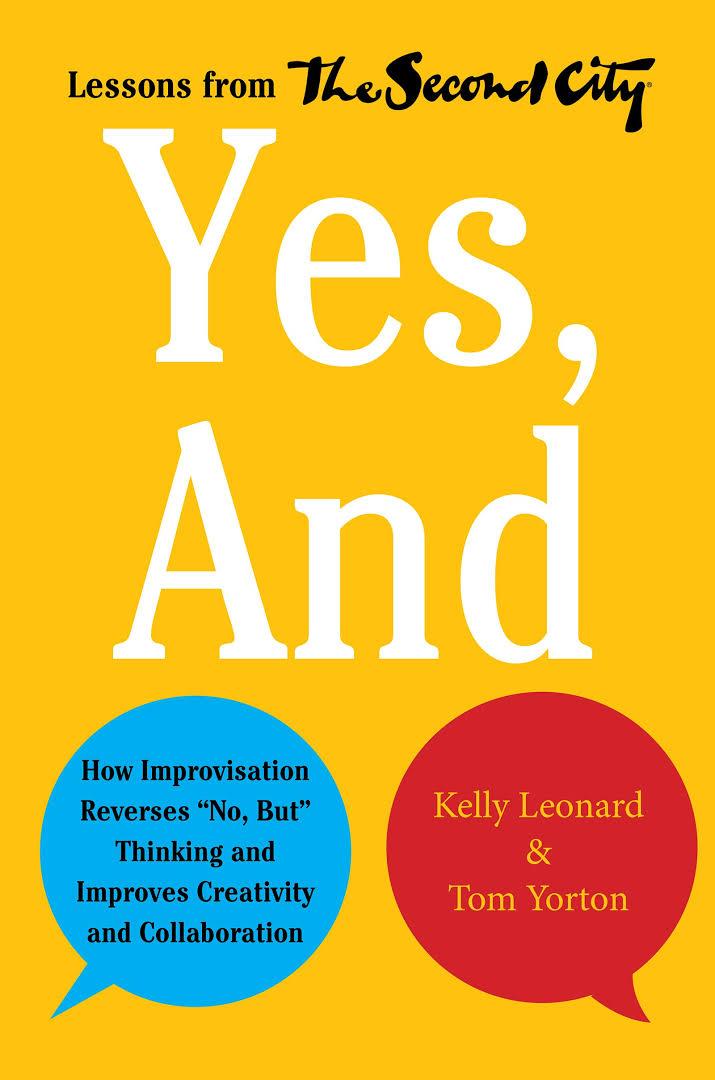
Yes, And
How Improvisation Reverses No, But Thinking and Improves Creativity and Collaboration
Kelly Leonard; Tom Yorton
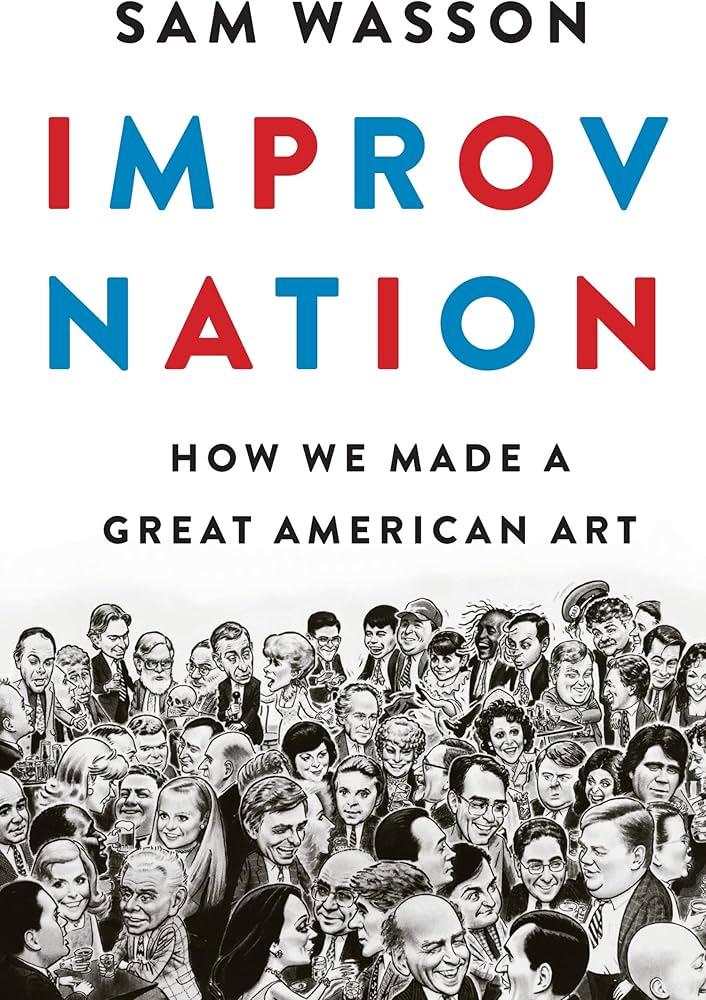
Improv Nation
How We Made a Great American Art
Sam Wasson
References
In the Archive
How to Reference This Page
The Improv Archive. (2026). Shelley Berman. Retrieved September 28, 2026, from https://improvarchive.org/people/shelley-berman
The Improv Archive. "Shelley Berman." The Improv Archive, 2026. https://improvarchive.org/people/shelley-berman.
The Improv Archive. "Shelley Berman." The Improv Archive, 2026, https://improvarchive.org/people/shelley-berman. Accessed September 28, 2026.
The Improv Archive is a systemically maintained repository. The archive itself acts as the corporate author.