Beats Part 2 w Shannon Stott
Shannon Stott returns to Improv FAQ for a continuation of an earlier discussion on beats, exploring how beat structure operates at both the scene and show level. The extended conversation format allows for a detailed look at how improvisers can identify, build, and transition between beats within longer performance contexts.
More Videos
 1:37
1:37"Yes, And" In Spirit vs Literal
A short companion piece from Improv FAQ distinguishing between literal and spirit-based interpretations of "Yes, And." The video addresses a common point of confusion for improvisers learning to apply the principle beyond its surface-level meaning.
 7:41
7:41Yes, And...
Improv FAQ provides an extended exploration of "Yes, And," arguably the most widely cited principle in improvisational theatre. The video defines the concept, discusses its practical utility for building scenes, and examines how a performer's relationship with the principle evolves at different skill levels.
 0:51
0:51Rules Are Not Equal to Good Improv
A short educational piece from Improv FAQ examining the relationship between rules and quality in improvisation. The video challenges the assumption that following improv rules automatically produces good scene work.
 7:30
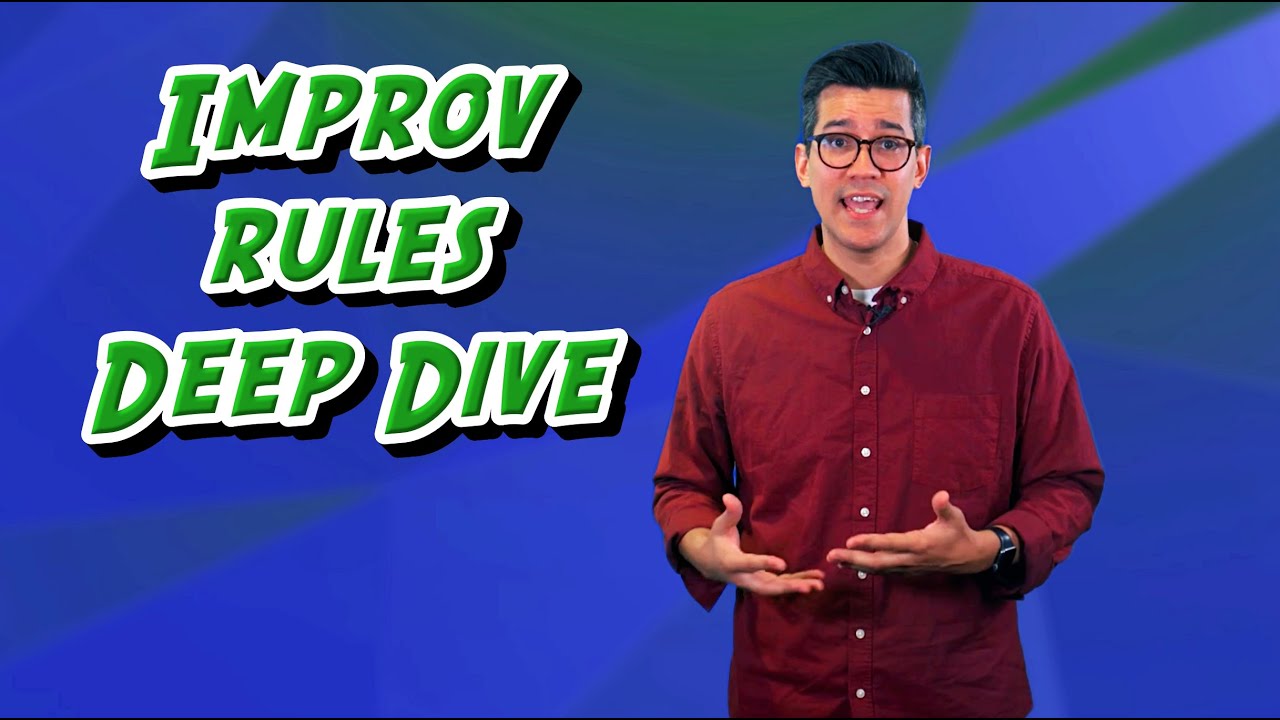
7:30Improv Rules - Deep Dive
Improv FAQ examines the function and value of rules in improvisation at greater depth than a surface-level overview. The video considers how codified guidelines serve the art form and where their application benefits or constrains performers.
 0:50
0:50Feel Some Way About It
A short from Improv FAQ on emotional commitment in scenes, encouraging improvisers to invest a genuine point of view or emotional response rather than remaining neutral to the events unfolding around them.
 1:19
1:19Don't Deny The Reality of a Scene
Improv FAQ explores the principle of acceptance in scene work, focusing on why improvisers should avoid negating the reality established by their scene partners. The video covers one of the most frequently taught tenets in improvisation training.