A Moment of Silence
A Moment of Silence is a scene exercise in which actors must wait through a long pause before answering each line. The pause forces them to stay present, justify silence through behavior, and listen with more than words. It is less about dead air than about learning how much can still be happening when nobody is speaking.
Structure
Setup
- Put two actors in the playing area.
- The rest of the group sits as the audience.
- The pair can improvise a scene or use a scripted scene they are already rehearsing.
Core Rule
- After one actor speaks, the other waits about ten seconds before responding.
- The actors should not simply count to ten and then say the next line.
- The pause has to feel motivated inside the scene.
What the Actors Are Actually Doing
- While one actor is silent, the scene continues through posture, eye focus, breath, and reaction.
- The pause has to be justified. The actor needs a believable reason to hold the moment.
- Silence becomes part of the acting rather than a gap between lines.
How the Coach Runs It
- Watch for the common drift: actors start shortening the pause once the silence feels uncomfortable.
- When that happens, freeze the scene and clarify who, what, when, where, and why.
- After one pair works, bring up another pair.
- The exercise can be expanded to more than two actors if needed.
Common Variations
- Use Levy's related variation "Pause for Thought," where a clap forces both actors to stop speaking until the next clap.
- Let the coach or another student control the clap so the interruption arrives unpredictably.
- Hold the stop for anywhere from fifteen seconds to a minute before restarting.
How to Teach It
Objectives
- help actors become comfortable inside silence
- train aggressive listening instead of waiting for the next line
- strengthen justification through body language and inner life
How to Explain It
Play the scene normally, but after each line the other actor waits about ten seconds before answering. Do not count in your head and then talk. Stay in the moment and let the silence mean something.
Teaching Notes
- The first coaching problem is almost always speed creep. Once the silence gets uncomfortable, actors shorten it without noticing.
- Freeze the scene when that happens and restate the circumstances of the moment.
- Coach the pause as active behavior, not empty waiting.
- If the actors are only holding still until the next line, the scene loses pressure.
Common Pressure Points
- Actors count mechanically instead of staying connected to the scene.
- The pause gets shorter and shorter once discomfort appears.
- The silence reads as nothing happening because the body does not stay alive.
- The response comes from planning instead of from what the actor actually received.
Notes That Appear Directly in Source Material
- Levy explicitly warns actors not to count from one to ten in their heads.
- The source recommends freezing the scene to clarify who, what, when, where, and why whenever the pauses start collapsing.
- Levy uses the exercise to discuss listening in daily life as well as in scene work, especially the habit of planning a reply instead of fully hearing the other person.
- The purpose section links the exercise to Harold Pinter's written pauses and to the idea that a great deal can happen when nothing is said.
History
Levy documents A Moment of Silence in 112 Acting Games and pairs it with the related variation "Pause for Thought" from 275 Acting Games. The current source base confirms a published classroom acting exercise and its pedagogical goals, but it does not identify an earlier inventor beyond Levy's documented use.
Worth Reading
See all books →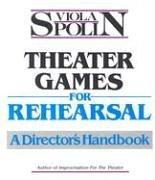
Theater Games for Rehearsal
Viola Spolin
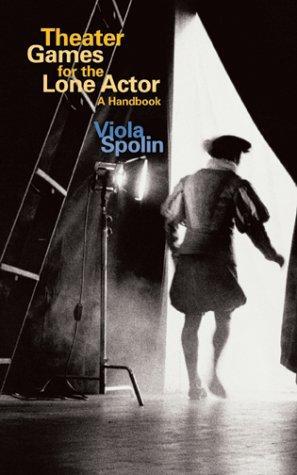
Theater Games for the Lone Actor
Viola Spolin
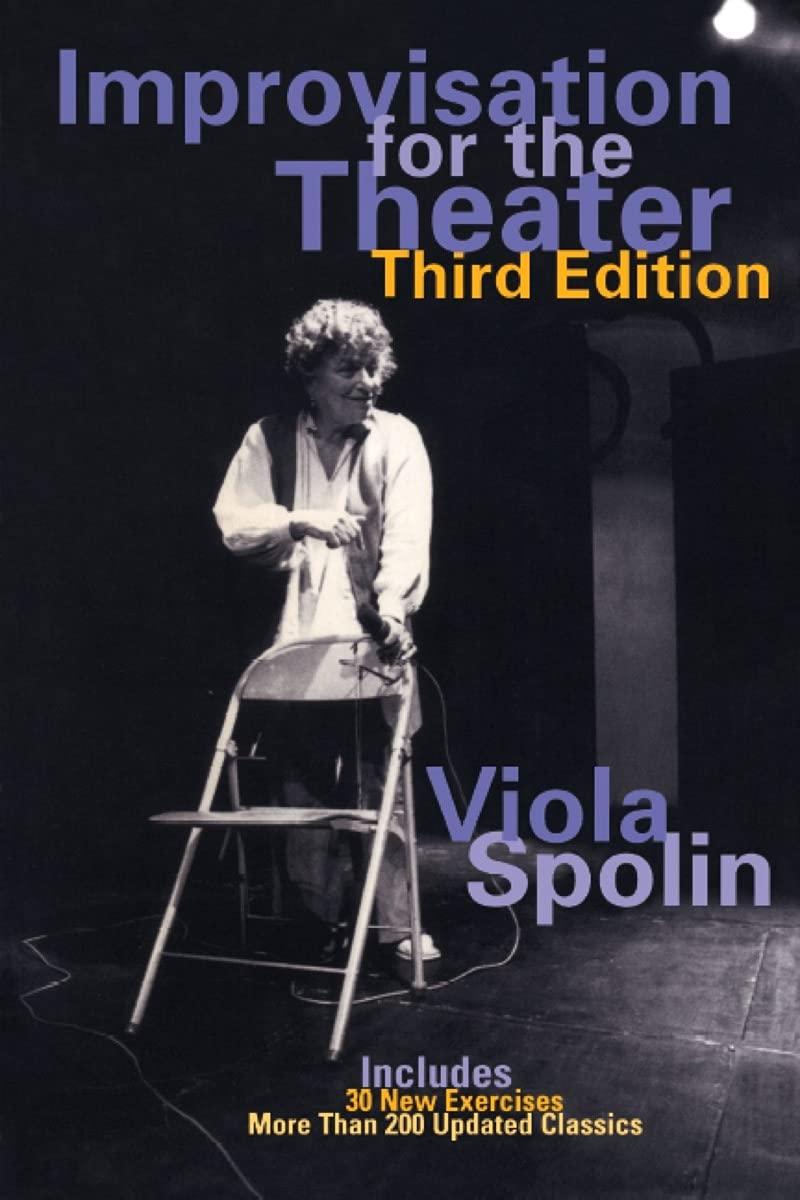
Improvisation for the Theater
A Handbook of Teaching and Directing Techniques
Viola Spolin

The Young Actor's Book of Improvisation
Dramatic Situations
Sandra Caruso; Susan Kosoff

Book on Acting
Improvisation Technique for the Professional Actor in Film, Theater & Television
Stephen Book
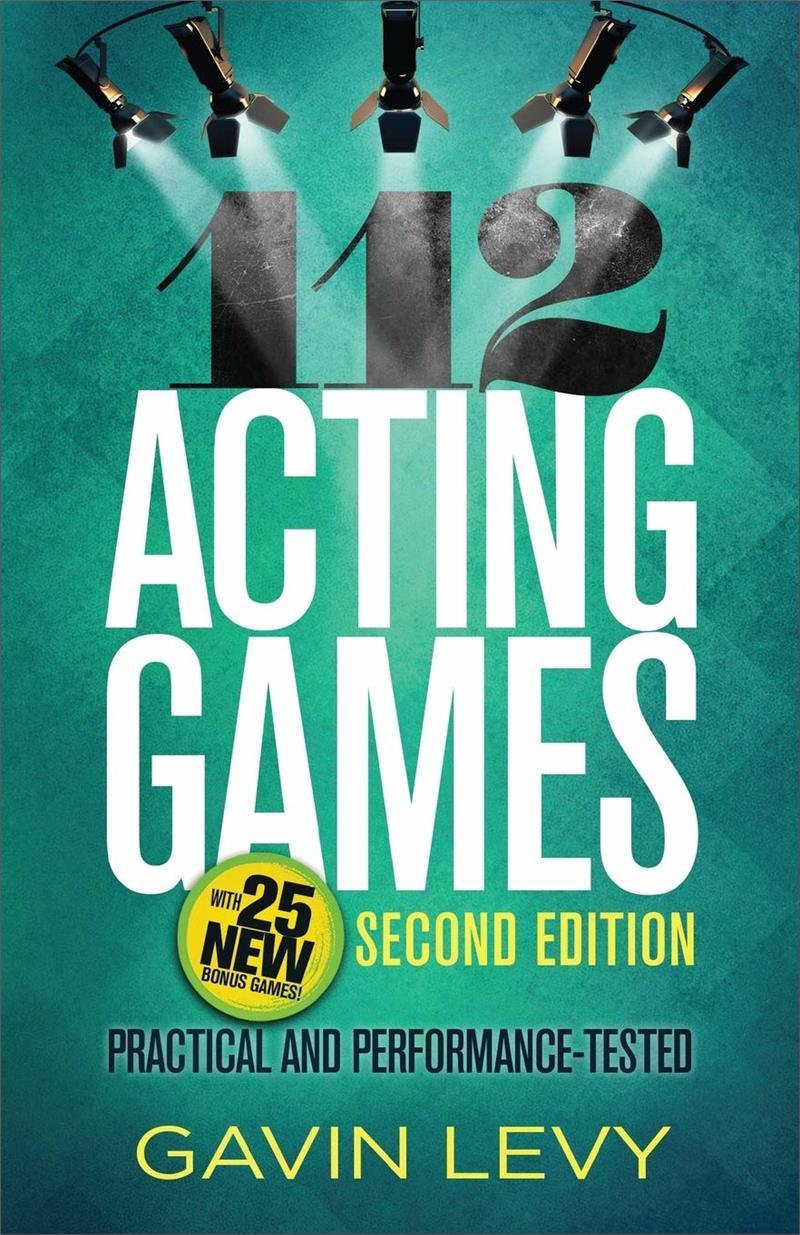
112 Acting Games
Gavin Levy
Related Exercises
Hesitation
Hesitation is a scene game in which performers deliberately pause before delivering each line, as though searching for the right words. The forced pauses change the scene's rhythm and reveal subtext that rapid-fire delivery obscures. Silence becomes an active tool: each pause creates anticipation, exposes the character's internal process, and gives the audience time to read the emotional undercurrents of the scene. The game trains performers to use silence as a dramatic instrument rather than treating it as dead space to be filled.
Be in the Moment
Activities focused on developing present-moment awareness and full engagement in current interactions without mental multitasking.
Timed Scenes
Timed Scenes is an exercise in which performers play scenes to a specified time limit, typically ranging from thirty seconds to five minutes, developing the skill of pacing, escalation, and resolution within defined temporal structures. The exercise trains awareness of scene time as a compositional element.
One Line Scene
One Line Scene is a scene-building exercise in which two or more performers create a complete scene using only one line of dialogue each. The constraint forces performers to make every word count, to communicate volumes through subtext, physicality, and relationship, and to find the essence of a scene without the luxury of extended dialogue.
Three-Second Pauses
Three Second Pauses is an applied exercise in which participants practice inserting a deliberate three-second pause before responding to any question or statement, building the habit of active listening over reactive reply. The pause allows full processing of what was said before generating a response.
Last Letter Scene
Last Letter Scene is a hybrid game and exercise in which each line of dialogue must begin with the last letter of the previous line. The constraint forces performers to listen with acute precision -- not to the general content of what is said but to the exact final sound of each utterance -- while maintaining scene coherence, character, and forward momentum simultaneously.
The Lineage
Explore the schools and structures that influenced or evolved from A Moment of Silence.
112 Acting Games (Levy)
How to Reference This Page
The Improv Archive. (2026). A Moment of Silence. Retrieved October 14, 2026, from https://improvarchive.org/exercises/a-moment-of-silence
The Improv Archive. "A Moment of Silence." The Improv Archive, 2026. https://improvarchive.org/exercises/a-moment-of-silence.
The Improv Archive. "A Moment of Silence." The Improv Archive, 2026, https://improvarchive.org/exercises/a-moment-of-silence. Accessed October 14, 2026.
The Improv Archive is a systemically maintained repository. The archive itself acts as the corporate author.