Pauze is a scene exercise in which a facilitator periodically freezes the action and asks performers to reflect on or articulate what their character is thinking, feeling, or wanting before resuming the scene. The pauses reveal the subtext beneath the dialogue and train players to maintain rich inner lives for their characters. The exercise builds emotional depth and intentionality.
Structure
Setup
- Two or more performers play a scene.
- A facilitator watches from outside and calls "pauze" (pause) at any moment.
- The scene freezes.
The Pause Process
- When the facilitator calls pauze, all performers freeze in place.
- The facilitator asks one or more performers a question about their character's inner life: "What are you thinking right now?" "What do you want in this moment?" "What are you afraid they know?"
- The performer answers in character, speaking the subtext beneath the scene's surface.
- The facilitator calls "go" and the scene resumes from the frozen moment.
What the Pause Reveals
- The difference between what a character says and what they think is the space where scene depth lives.
- Performers who have not been maintaining an inner life for their character will have nothing to report during the pause.
- Rich inner life answers reveal hidden wants, fears, and history that could be brought into the scene.
How to Use What the Pause Produces
- After a rich inner life answer, the facilitator may invite the performer to bring one element of what they said into the scene.
- This is not mandatory: the inner life enriches the performance even when it remains unexpressed.
How to Teach It
How to Explain It
"When I call 'pauze,' freeze exactly where you are. I'm going to ask you what's happening inside your character at this exact moment. Not what they're doing. What they're thinking or feeling underneath what they're doing. Then we go back to the scene."
Common Notes
- The quality of the answer reveals the quality of the inner work. Vague answers indicate that the performer has been playing action rather than character.
- Rich inner life answers should surprise the asker. If the performer's internal state is entirely predictable from the external behavior, the inner work is too shallow.
- The facilitator should call pauze at moments of apparent ease as well as tension. Characters in comfortable moments also have inner lives.
Common Pitfalls
- Performers answer pauze questions in terms of their character's strategy: "I'm trying to convince him." This is action planning, not inner life.
- The scene becomes more about performing inner life for the pauze than about genuine scene work.
- The facilitator calls pauze so frequently that the scene cannot develop momentum.
Worth Reading
See all books →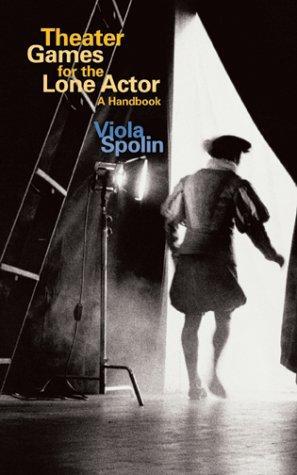
Theater Games for the Lone Actor
Viola Spolin
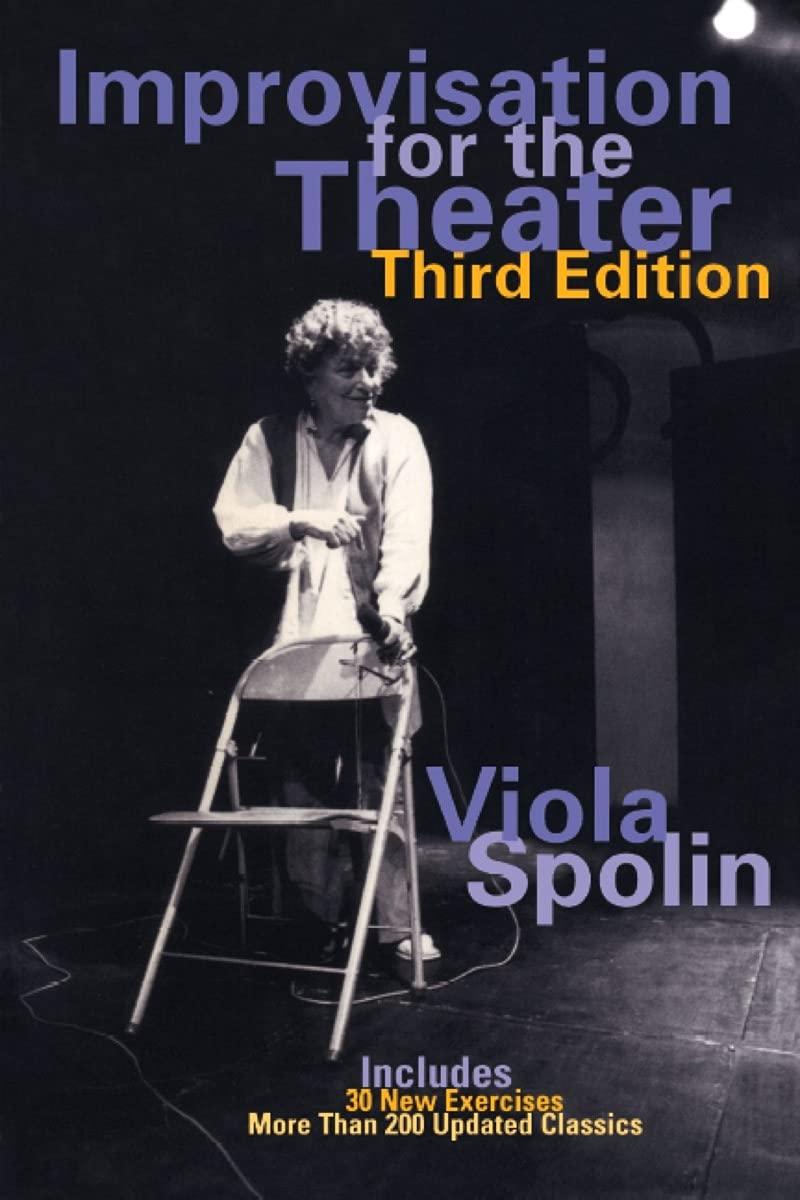
Improvisation for the Theater
A Handbook of Teaching and Directing Techniques
Viola Spolin
Theater Games for Rehearsal
Viola Spolin

Improvisation On the Edge
Notes from On and Off Stage
Ruth Zaporah
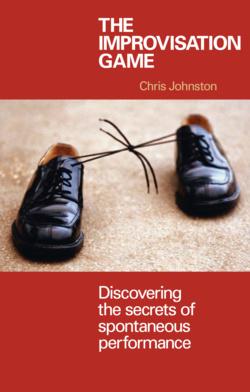
The Improvisation Game
Discovering the Secrets of Spontaneous Performance
Chris Johnston

The Young Actor's Book of Improvisation
Dramatic Situations
Sandra Caruso; Susan Kosoff
Related Exercises
Low
Low is a status exercise in which performers practice playing the lowest-status character in a scene. The exercise trains the physicality of submission, deference, and self-deprecation. It builds awareness of how low status communicates through body language and vocal patterns, complementing high-status exercises.
Hesitation
Hesitation is a scene game in which performers deliberately pause before delivering each line, as though searching for the right words. The forced pauses change the scene's rhythm and reveal subtext that rapid-fire delivery obscures. Silence becomes an active tool: each pause creates anticipation, exposes the character's internal process, and gives the audience time to read the emotional undercurrents of the scene. The game trains performers to use silence as a dramatic instrument rather than treating it as dead space to be filled.
Flatmates Just Do Nothing
Flatmates Just Do Nothing is a scene exercise in which performers play roommates engaged in completely mundane, low-stakes activity -- watching television, eating cereal, folding laundry -- with no dramatic agenda imposed from outside. The exercise trains the ability to be fully present in an ordinary moment, to find authentic relationship texture in ordinary behavior, and to trust that genuine connection and specificity are sufficient engines for scene without the need for conflict or event.
A Moment of Silence
A Moment of Silence is a scene exercise in which actors must wait through a long pause before answering each line. The pause forces them to stay present, justify silence through behavior, and listen with more than words. It is less about dead air than about learning how much can still be happening when nobody is speaking.
Elevator
Elevator is a short scene exercise in which participants create brief improvised scenes set inside a moving elevator. The confined space, limited social options, and brief shared time create a pressure cooker for social dynamics: characters must navigate a stranger, an acquaintance, or a colleague in the specific awkwardness of elevator proximity. In applied settings the exercise develops quick character establishment, social reading, and the use of constraint as a creative resource.
John Cremer Characters and Scenes
John Cremer Characters and Scenes is a character-building and scene initiation exercise developed by UK improviser and educator John Cremer, in which participants develop distinct physicalized characters and then bring those characters into spontaneous scenes with one another. The exercise trains the connection between physical specificity and character logic, building confidence in initiating scenes from a grounded physical starting point rather than from dialogue or concept.
How to Reference This Page
The Improv Archive. (2026). Pauze. Retrieved September 28, 2026, from https://improvarchive.org/exercises/pauze
The Improv Archive. "Pauze." The Improv Archive, 2026. https://improvarchive.org/exercises/pauze.
The Improv Archive. "Pauze." The Improv Archive, 2026, https://improvarchive.org/exercises/pauze. Accessed September 28, 2026.
The Improv Archive is a systemically maintained repository. The archive itself acts as the corporate author.