Arm Link
Arm Link is a trust and coordination exercise in which two players link arms and navigate physical tasks together. The connection requires constant nonverbal communication and mutual adjustment, building sensitivity to a partner's weight, timing, and intention.
Structure
Setup
Players pair up and link arms at the elbow, standing side by side.
Progression
The facilitator gives movement tasks for the pair to complete while remaining linked: sit down together, stand up together, pick up an object from the floor, walk through the space without separating, navigate past other pairs.
Neither player leads verbally. All coordination happens through physical contact and attention.
Conclusion
Pairs separate after a set of tasks. Players may switch partners and repeat with different movement challenges.
How to Teach It
How to Explain It
"Link arms with your partner. Your job is to do everything I ask without letting go and without talking. Stay connected the whole time."
Objectives
This exercise develops partner sensitivity, shared physical decision-making, and trust in nonverbal communication.
Common Notes
"Neither of you is in charge. Feel what your partner needs and give it to them."
Common Pitfalls
One player almost always takes a dominant role and begins pulling or leading. Remind players that the link is mutual: both are simultaneously giving and receiving.
Worth Reading
See all books →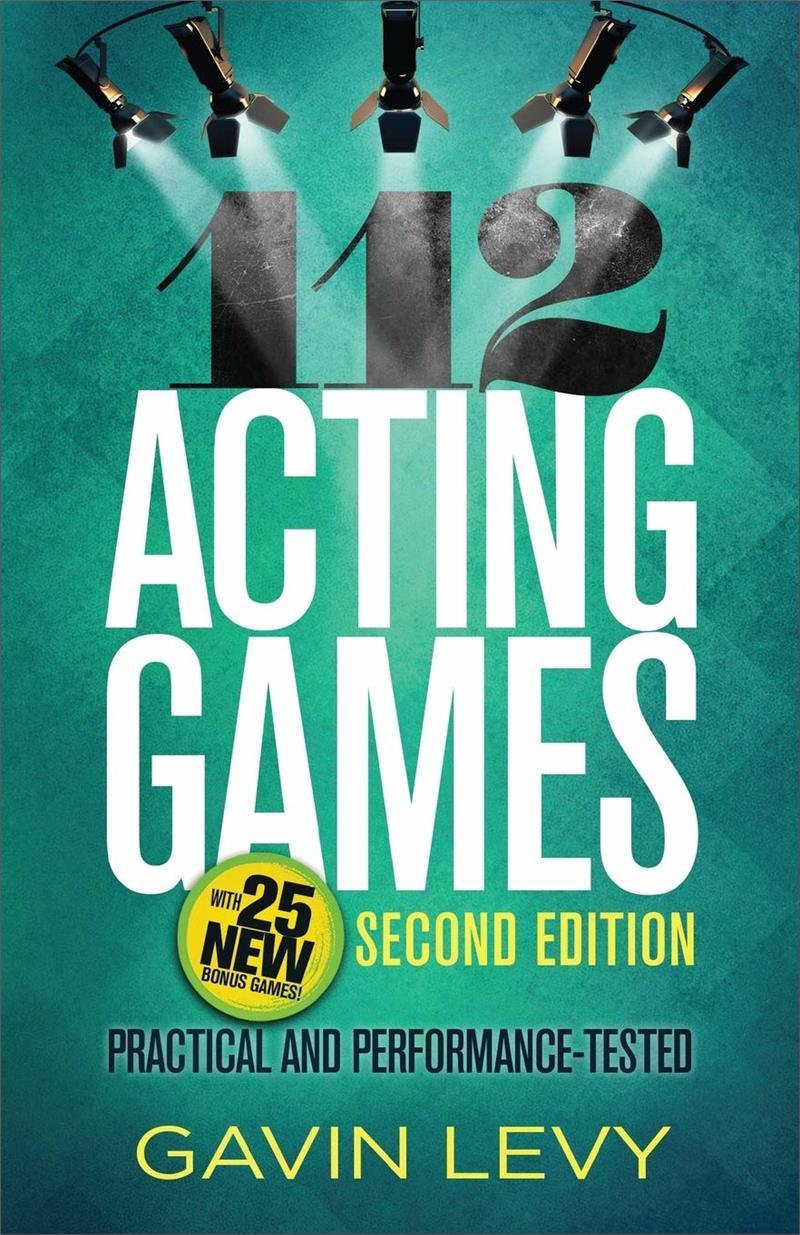
112 Acting Games
Gavin Levy

Playing Along
37 Group Learning Activities Borrowed from Improvisational Theater
Izzy Gesell

The Improvisation Edge
Secrets to Building Trust and Radical Collaboration at Work
Karen Hough
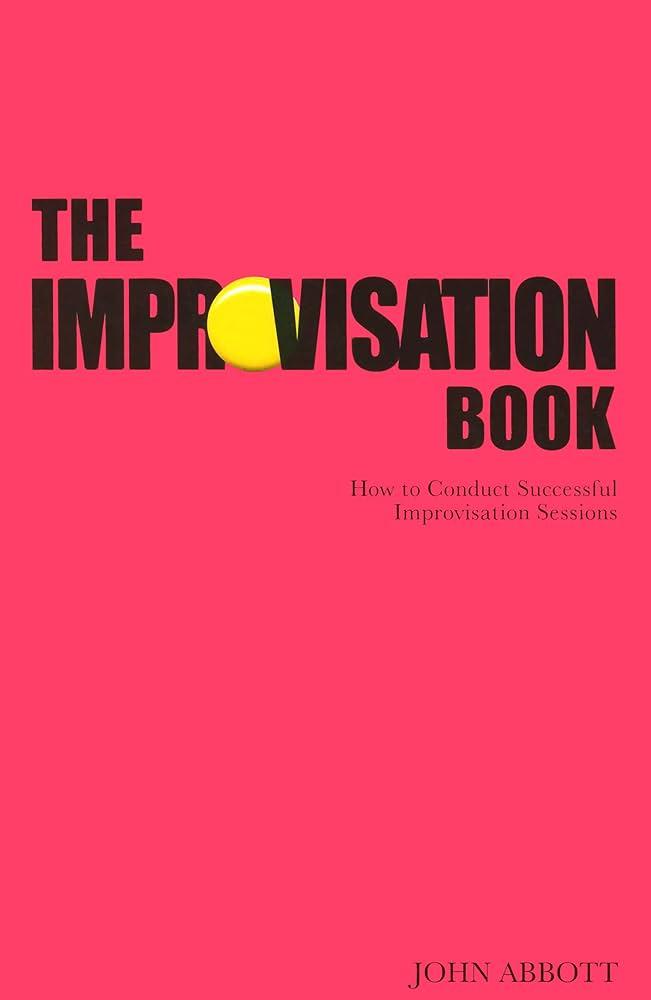
The Improvisation Book
How to Conduct Successful Improvisation Sessions
John S.C. Abbott
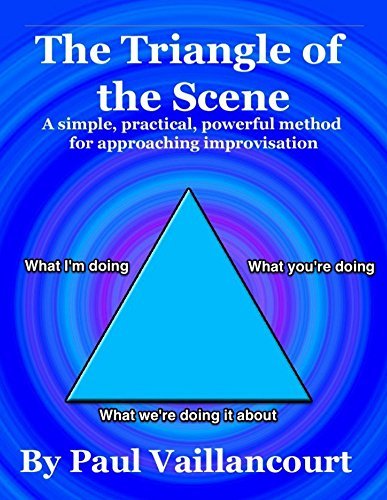
The Triangle of the Scene
A Simple, Practical, Powerful Method for Approaching Improvisation
Paul Vaillancourt

Business Improv
Experiential Learning Exercises to Train Employees
Val Gee
Related Exercises
Arm Tangle
Arm Tangle is a group problem-solving exercise in which players stand in a circle, reach across to grasp the hands of two different people, and then work together to untangle the resulting knot without releasing their grip. Also known as the Human Knot, the exercise builds group communication, spatial reasoning, and patient collaborative problem-solving.
Trust
Trust is a foundational applied exercise in which participants practice physical reliance on a partner, typically through exercises such as leaning, falling, or being guided while eyes are closed. The exercise makes the concept of interpersonal trust concrete and bodily, establishing it as an earned and practiced state rather than an assumption.
Associatioin Chain
Association Chain is a circle exercise in which each player says a word inspired by the previous player's word, building a rapid chain of free associations. The exercise trains spontaneous, uncensored responses and reveals the connective leaps that drive improvised scene work. Speed is essential to prevent intellectual filtering.
Association Jump
Association Jump is a variation on word association in which players physically move or jump to a new position in the space each time they offer a new word. The physical action reinforces the mental leap between ideas and keeps energy high. The exercise connects verbal spontaneity with full-body commitment.
Building Rapport
Structured activities for establishing connection and trust with colleagues through improvisational active engagement.
Free Falling
Free Falling is a trust exercise in which one player falls backward and is caught by a partner or by the group. The falling player surrenders physical control entirely, trusting that the group will support them. The exercise develops trust, physical vulnerability, and the experience of genuine dependence on others -- a state that most professional and social contexts actively discourage.
The Lineage
Explore the schools and structures that influenced or evolved from Arm Link.
112 Acting Games (Levy)
How to Reference This Page
The Improv Archive. (2026). Arm Link. Retrieved September 28, 2026, from https://improvarchive.org/exercises/arm-link
The Improv Archive. "Arm Link." The Improv Archive, 2026. https://improvarchive.org/exercises/arm-link.
The Improv Archive. "Arm Link." The Improv Archive, 2026, https://improvarchive.org/exercises/arm-link. Accessed September 28, 2026.
The Improv Archive is a systemically maintained repository. The archive itself acts as the corporate author.