Character Study
Character Study is an exercise in which performers spend extended time developing a single character through exploration of physicality, voice, biography, and behavior. The focused work produces richer, more specific characters than the rapid choices of performance typically allow. It provides a foundation that improvisers can draw on in scene work.
Worth Reading
See all books →
The Art of Chicago Improv
Short Cuts to Long-Form Improvisation
Rob Kozlowski

Improvisation for Actors and Writers
A Guidebook for Improv Lessons in Comedy
Bill Lynn
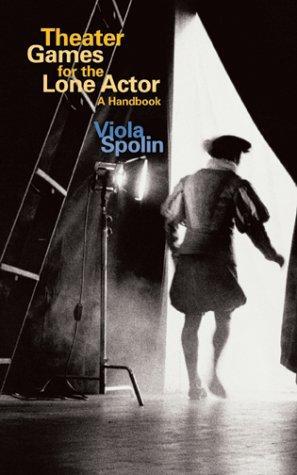
Theater Games for the Lone Actor
Viola Spolin

Embodied Playwriting
Improv and Acting Exercises for Writing
Hillary Haft Bucs; Charissa Menefee

Book on Acting
Improvisation Technique for the Professional Actor in Film, Theater & Television
Stephen Book
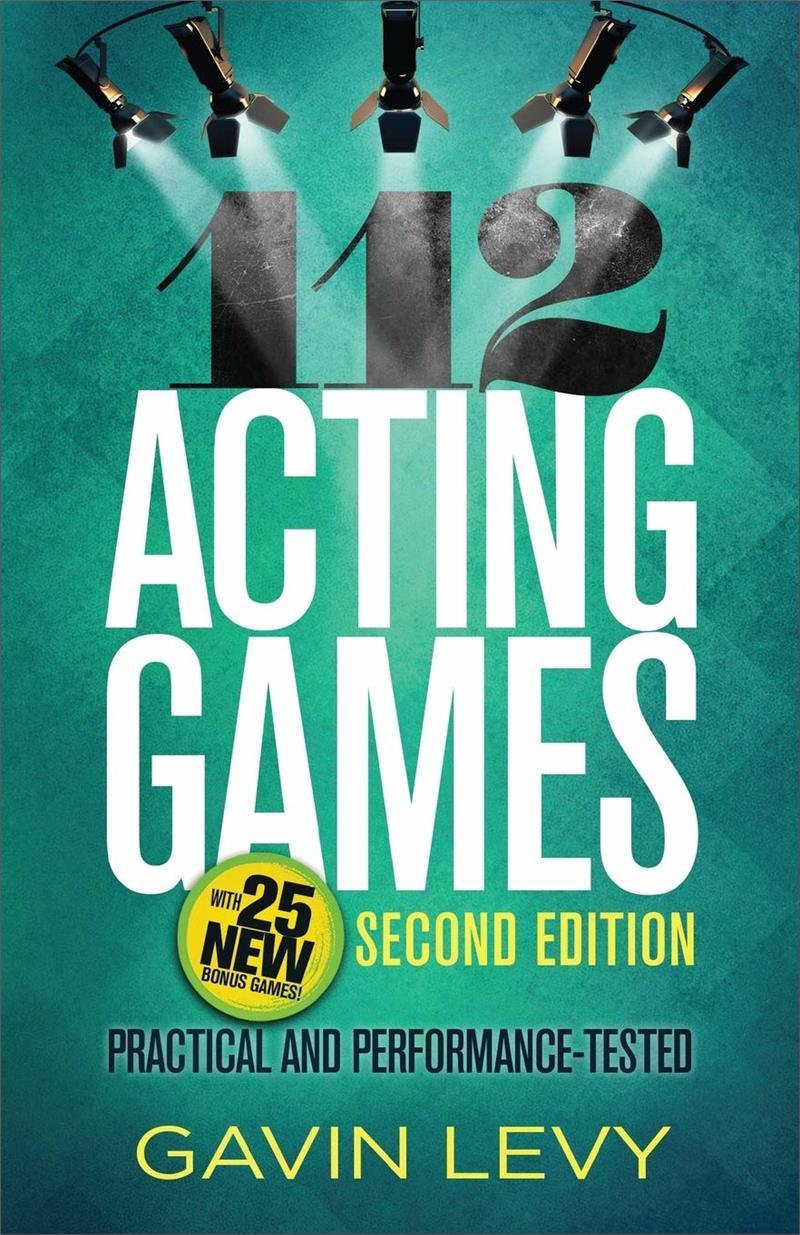
112 Acting Games
Gavin Levy
Related Exercises
Character Interview
Character Interview is an exercise in which a performer stays in character while the group or a facilitator asks probing personal questions. The performer must invent a coherent backstory, opinions, and emotional responses on the spot. The exercise develops deep character commitment and the ability to sustain a persona under interrogation.
Character Walk
Character Walk is an exercise in which players move through the space while gradually adjusting their physicality to build a character from the feet up. Changes in gait, posture, tempo, and weight distribution produce distinct personas. The exercise demonstrates how physical choices generate character without any need for backstory or dialogue.
Emotions Characters
Emotions Characters is a character-building exercise in which performers construct a character whose entire identity is defined by a single dominant emotion. Rather than playing a character who experiences an emotion, the performer plays a human being for whom that emotion is the organizing principle of their existence: a person constituted entirely by joy, or anger, or longing, or fear. The exercise develops the skill of using emotion as a generative foundation for character rather than as a surface-level behavioral quality.
John Cremer Characters and Scenes
John Cremer Characters and Scenes is a character-building and scene initiation exercise developed by UK improviser and educator John Cremer, in which participants develop distinct physicalized characters and then bring those characters into spontaneous scenes with one another. The exercise trains the connection between physical specificity and character logic, building confidence in initiating scenes from a grounded physical starting point rather than from dialogue or concept.
Scene / Character Walkabout
Scene/Character Walkabout is an exercise in which performers walk around the space embodying a character, then engage in brief scene interactions with other walking characters. The exercise develops character physicality, the ability to initiate scenes organically, and the skill of maintaining a character while simultaneously navigating an unstructured environment.
How to Reference This Page
The Improv Archive. (2026). Character Study. Retrieved September 28, 2026, from https://improvarchive.org/exercises/character-study
The Improv Archive. "Character Study." The Improv Archive, 2026. https://improvarchive.org/exercises/character-study.
The Improv Archive. "Character Study." The Improv Archive, 2026, https://improvarchive.org/exercises/character-study. Accessed September 28, 2026.
The Improv Archive is a systemically maintained repository. The archive itself acts as the corporate author.