Create Obstacles
Create Obstacles is a scene exercise in which performers deliberately introduce complications and barriers to their characters' goals. The exercise teaches that obstacles are the engine of dramatic interest: characters who get what they want without resistance produce flat, unengaging scenes. By practicing the creation of obstacles, performers develop the instinct to generate tension and problem-solving pressure from within the scene rather than waiting for obstacles to arrive from outside.
Structure
Setup
Two performers establish a scene with a clear want or goal for each character. The coach frames the exercise: both performers actively introduce obstacles to their own and each other's goals as the scene progresses.
Types of Obstacles
Obstacles can be external (an object fails, a third party intervenes, the environment changes), internal (the character's own conflicting wants, fears, or memories complicate their pursuit), or relational (the other character's goals conflict with one's own, or the relationship itself creates complications). Performers practice all three types.
Progression
The scene runs with performers consciously generating obstacles. After five to eight minutes, the coach pauses the scene and identifies which obstacles were most dramatically effective and why. A second round allows performers to apply the feedback.
Conclusion
The exercise concludes with a brief coaching discussion on how the scenes felt different from scenes where performers waited for obstacles rather than creating them.
How to Teach It
Objectives
Create Obstacles targets dramatic construction, the understanding of want-and-obstacle as the basic unit of scene energy, and the development of the performer's instinct to complicate rather than resolve. It addresses the very common pattern of improvisers who clear each other's obstacles too quickly, producing scenes that have nothing to push against.
How to Explain It
"In this scene, your character wants something. Other things keep getting in the way. Your job is to make those things appear -- not to stop the other person from wanting what they want, but to make the path to it more interesting. Create the complications from inside the scene."
Common Sidocoaching
- "What just got in the way?"
- "What does your character want that conflicts with that?"
- "The obstacle doesn't have to be dramatic -- even small friction counts."
Common Pitfalls
Performers sometimes interpret obstacle creation as blocking: refusing to let the other character advance, which collapses scenes into impasse. Distinguish between obstacles that complicate pursuit (which generates energy) and blocks that prevent it (which stop scenes). A second pitfall is performers who create only external obstacles and miss the richness of internal and relational ones.
Worth Reading
See all books →
Mask Improvisation for Actor Training and Performance
the compelling image
Sears A. Eldredge
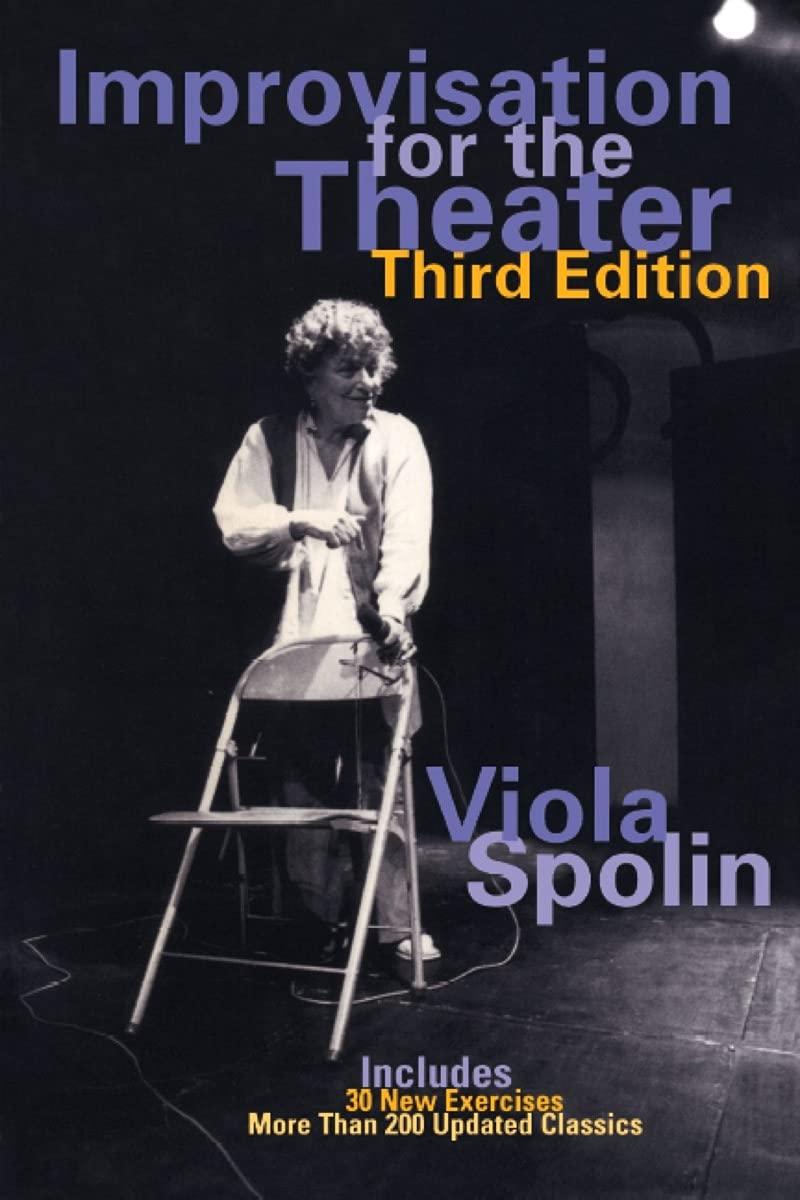
Improvisation for the Theater
A Handbook of Teaching and Directing Techniques
Viola Spolin

The Young Actor's Book of Improvisation
Dramatic Situations
Sandra Caruso; Susan Kosoff

Improvisation Starters
A Collection of 900 Improvisation Situations for the Theater
Philip Bernardi
Theater Games for Rehearsal
Viola Spolin
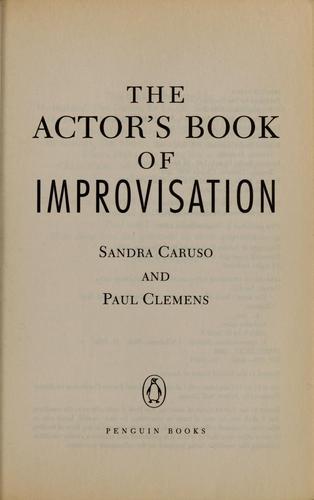
The Actor's Book of Improvisation
Sandra Caruso; Paul Clemens
Related Exercises
Positive Scene Challenge
Positive Scene Challenge is an exercise in which performers must play an entire scene without conflict, negativity, or problems. Characters agree, support each other, and share genuine enthusiasm. The constraint forces improvisers to discover that compelling scenes can emerge from shared joy rather than from opposition.
John Cremer Characters and Scenes
John Cremer Characters and Scenes is a character-building and scene initiation exercise developed by UK improviser and educator John Cremer, in which participants develop distinct physicalized characters and then bring those characters into spontaneous scenes with one another. The exercise trains the connection between physical specificity and character logic, building confidence in initiating scenes from a grounded physical starting point rather than from dialogue or concept.
Problem Solving
Problem Solving is an applied improvisation exercise from Business Improv in which teams tackle challenges using "Yes, And" principles and other improvisational techniques. Rather than following traditional analytical frameworks, participants generate solutions through rapid ideation, collaborative building, and the willingness to explore unconventional approaches.
Lets Not
Let's Not is a scene-work exercise in which performers practice recognizing and resisting the impulsive move -- the immediate next step that seems obvious after an offer is made -- and instead exploring what already exists in the scene before building further. The exercise counters the improv tendency to pile offer onto offer and trains performers to dwell productively in established scene reality.
Blocked Vs. Unblocked Scenes
Blocked Vs. Unblocked Scenes is a comparative exercise in which performers play the same scene twice: once using denial and blocking, and once fully accepting every offer. The side-by-side contrast vividly demonstrates how blocking kills momentum while acceptance generates possibilities. It is one of the most effective tools for teaching the principle of agreement.
Three Line Scenes
Three Line Scenes is an exercise in which pairs of performers create complete scenes using exactly three lines of dialogue each, totaling six lines. The extreme compression demands that every line establish character, relationship, environment, and conflict simultaneously, developing the skill of maximum impact with minimum words.
How to Reference This Page
The Improv Archive. (2026). Create Obstacles. Retrieved September 28, 2026, from https://improvarchive.org/exercises/create-obstacles
The Improv Archive. "Create Obstacles." The Improv Archive, 2026. https://improvarchive.org/exercises/create-obstacles.
The Improv Archive. "Create Obstacles." The Improv Archive, 2026, https://improvarchive.org/exercises/create-obstacles. Accessed September 28, 2026.
The Improv Archive is a systemically maintained repository. The archive itself acts as the corporate author.