John Cremer Characters and Scenes
John Cremer Characters and Scenes is a character-building and scene initiation exercise developed by UK improviser and educator John Cremer, in which participants develop distinct physicalized characters and then bring those characters into spontaneous scenes with one another. The exercise trains the connection between physical specificity and character logic, building confidence in initiating scenes from a grounded physical starting point rather than from dialogue or concept.
Structure
Setup
Participants move through the space. The facilitator guides a structured physical exploration that progresses from neutral walking toward increasingly specific physical choices: shifts in posture, weight, pace, and held tension that suggest a distinct person.
Progression
As each participant develops a physicalized character through movement, the facilitator prompts them to fix the character's key physical qualities: how they hold their body, how they walk, what they lead with. Participants are instructed to notice what the body is telling them about this person's inner life -- their attitude, their status, their relationship to the world.
Once characters are established, the facilitator calls out pairs. Partners meet in a brief spontaneous scene, each bringing their physicalized character into contact with the other. The scene is short -- the focus is on the meeting of two specific physical beings, not on narrative completion.
Conclusion
After several pairings, participants are brought back to neutral and the facilitator leads a group reflection on what they discovered about their characters through contact with others.
How to Teach It
Objectives
John Cremer Characters and Scenes targets physical specificity as the foundation of character and the ability to initiate scenes from a fully inhabited body rather than from a line of dialogue or a comic premise. It trains the connection between physical commitment and character logic.
How to Explain It
"Let your body find someone. Not a type, not a joke -- an actual person. Pay attention to where the tension is in your body, how you carry your head, how your feet connect to the floor. When you've found them, bring them to the scene and let them have their own logic."
Scaffolding
Allow substantial time for the physical exploration phase before introducing scenes. The quality of the scenes depends entirely on the depth of character exploration that precedes them. For groups new to physicalizing character, guide the exploration more actively with specific prompts before allowing free discovery.
Common Pitfalls
Participants sometimes arrive at scenes with a physical character but abandon it within the first few lines of dialogue, retreating to a neutral or default physical register. Coach performers to check back in with their body -- to notice when the character's physicality has dissolved and to restore it from the inside out.
Worth Reading
See all books →
Embodied Playwriting
Improv and Acting Exercises for Writing
Hillary Haft Bucs; Charissa Menefee

Mask Improvisation for Actor Training and Performance
the compelling image
Sears A. Eldredge
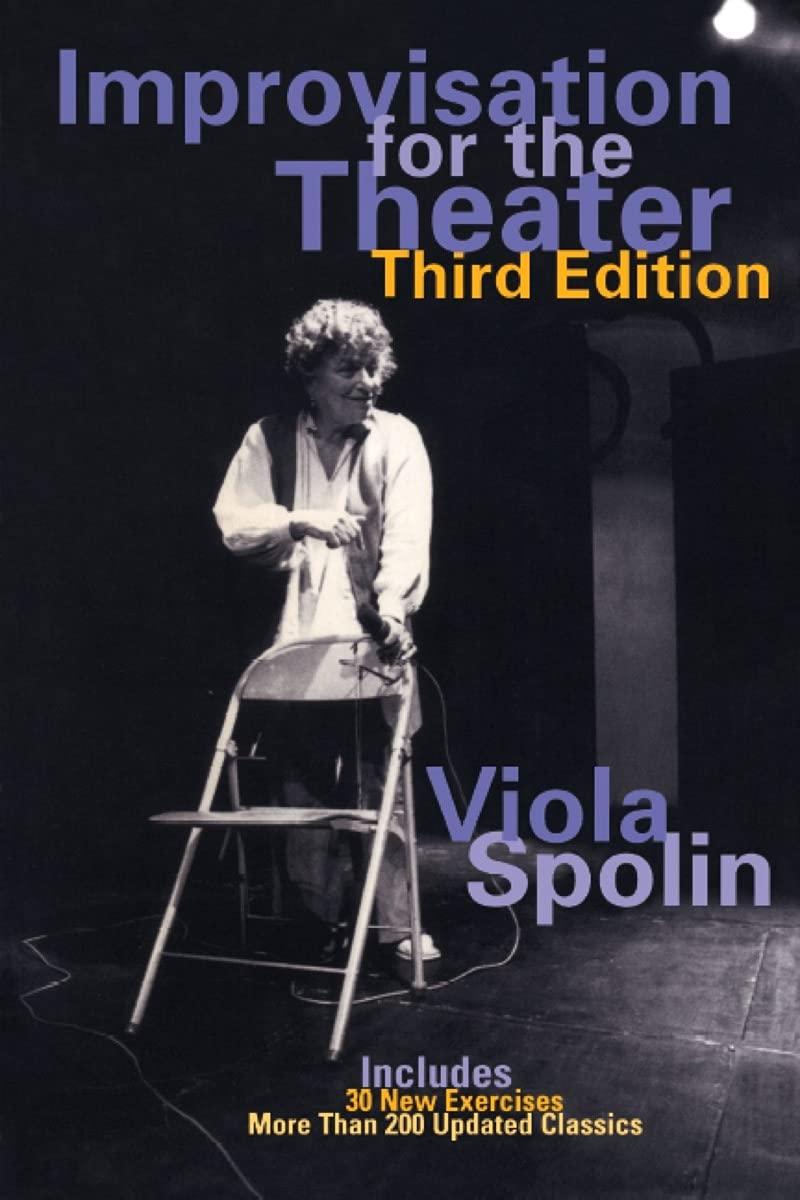
Improvisation for the Theater
A Handbook of Teaching and Directing Techniques
Viola Spolin

The Improv Illusionist
Using Object Work, Environment, and Physicality in Performance
David Raitt
The Actor's Book of Improvisation
Sandra Caruso; Paul Clemens

The Young Actor's Book of Improvisation
Dramatic Situations
Sandra Caruso; Susan Kosoff
Related Exercises
Cliched Characters Instant Depth
Cliched Characters Instant Depth is an exercise in which performers begin with a stock character type and progressively add layers of specificity, contradiction, and humanity. The exercise demonstrates that any character, no matter how familiar the starting point, can become compelling through committed detail work. It trains the skill of transforming a surface choice into a full person.
Mr so and So
Mr. So-and-So is a hybrid game and exercise in which one performer introduces a character -- "Mr. So-and-So" -- by physicalized description and behavioral endowment, and other performers must immediately embody and play that character according to the introduction. The exercise develops the ability to rapidly translate a described character into full physical and behavioral embodiment, and trains the group's capacity to all play the same character simultaneously with consistency and specificity.
Elevator
Elevator is a short scene exercise in which participants create brief improvised scenes set inside a moving elevator. The confined space, limited social options, and brief shared time create a pressure cooker for social dynamics: characters must navigate a stranger, an acquaintance, or a colleague in the specific awkwardness of elevator proximity. In applied settings the exercise develops quick character establishment, social reading, and the use of constraint as a creative resource.
Character / Scene Walkabout
Character/Scene Walkabout is an exercise in which performers walk through the space and, on a signal, immediately enter a scene with whoever is nearest. The random pairing and instant commitment prevent over-planning. The exercise builds comfort with initiating scenes with any partner and develops quick character choices.
Three Line Scenes
Three Line Scenes is an exercise in which pairs of performers create complete scenes using exactly three lines of dialogue each, totaling six lines. The extreme compression demands that every line establish character, relationship, environment, and conflict simultaneously, developing the skill of maximum impact with minimum words.
Barney
Barney is an energy and movement warm-up exercise in which players adopt an exaggerated, lumbering physical character and interact with the group through simple, playful commands. The exercise asks participants to embody a large, slow, friendly creature (often described as a dinosaur or monster) and move through the space with maximum physical commitment and minimum self-consciousness. The inherent silliness of the character lowers inhibitions quickly, making Barney effective as an early warm-up for groups that are new to physical work or uncomfortable with large physical choices. The exercise builds comfort with exaggerated movement, vocal projection, and the willingness to look ridiculous in front of others, all foundational skills for improv performance.
How to Reference This Page
The Improv Archive. (2026). John Cremer Characters and Scenes. Retrieved September 28, 2026, from https://improvarchive.org/exercises/john-cremer-characters-and-scenes
The Improv Archive. "John Cremer Characters and Scenes." The Improv Archive, 2026. https://improvarchive.org/exercises/john-cremer-characters-and-scenes.
The Improv Archive. "John Cremer Characters and Scenes." The Improv Archive, 2026, https://improvarchive.org/exercises/john-cremer-characters-and-scenes. Accessed September 28, 2026.
The Improv Archive is a systemically maintained repository. The archive itself acts as the corporate author.