Annoyance Scenes
Annoyance Scenes is an exercise rooted in the Annoyance Theatre tradition of finding the truth in aggressive, high-energy play. Performers practice scenes in which characters pursue strong wants with unapologetic directness. The exercise builds confidence in making bold choices and playing at the top of one's intelligence.
Structure
Setup
- Two or more performers play a scene with one constraint: characters pursue their wants with full, direct intensity.
- The scene is not required to be pleasant, polished, or conflict-averse.
- Characters may be abrasive, demanding, or relentlessly persistent in service of what they genuinely want.
The Annoyance Theatre Tradition
- The exercise draws from the Annoyance Theatre's philosophy that improv is most alive when performers stop managing their energy and commit fully.
- Characters do not modulate their behavior to be likable or socially appropriate. They want what they want and they pursue it.
- This does not mean aggression or cruelty: it means unmediated desire and unapologetic directness.
What the Exercise Addresses
- The tendency of trained improvisers to sand down their characters' edges to smooth the scene.
- The instinct to compromise one's character's genuine want in service of agreement.
- The habit of performing rather than being.
How It Runs
- The scene plays normally, but the director coaches performers to increase their character's directness and want.
- When a character compromises too readily or becomes vague, the director intervenes: "What do you actually want? Go get it."
Progression
- After the exercise, run a scene without the constraint and note what changes. What did the characters retain from the Annoyance work?
How to Teach It
How to Explain It
"Your character wants something. Get it. Don't wait for permission. Don't soften it. Don't be polite when polite would slow you down. Play at the top of your want. If you're annoyed, be annoyed. If you want something desperately, be desperate. No management."
Common Notes
- The exercise is not permission for aggression or hostility. Direct and aggressive are different things. Direct means clear and unapologetic.
- Players who confuse Annoyance work with being mean or rude have misunderstood the exercise. The energy is toward what the character wants, not against the scene partner.
- Debrief is important: what felt different when performers let their characters be fully direct? What shifted in the scene dynamic?
Common Pitfalls
- Performers interpret the exercise as permission to be combative or dismissive of their scene partner.
- Characters' directness produces scenes that escalate into shouting matches with no genuine want beneath them.
- Performers become physically large and loud but remain emotionally vague. Annoyance is about specificity of want, not volume.
Worth Reading
See all books →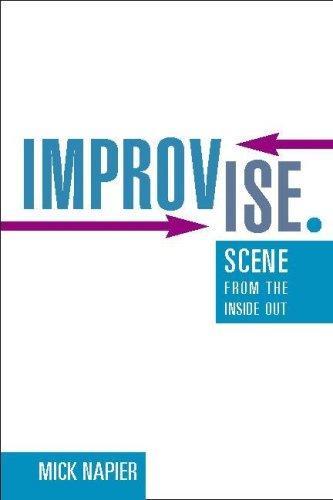
Improvise
Scene from the Inside Out
Mick Napier

Behind the Scenes
Improvising Long Form
Mick Napier
Theater Games for Rehearsal
Viola Spolin
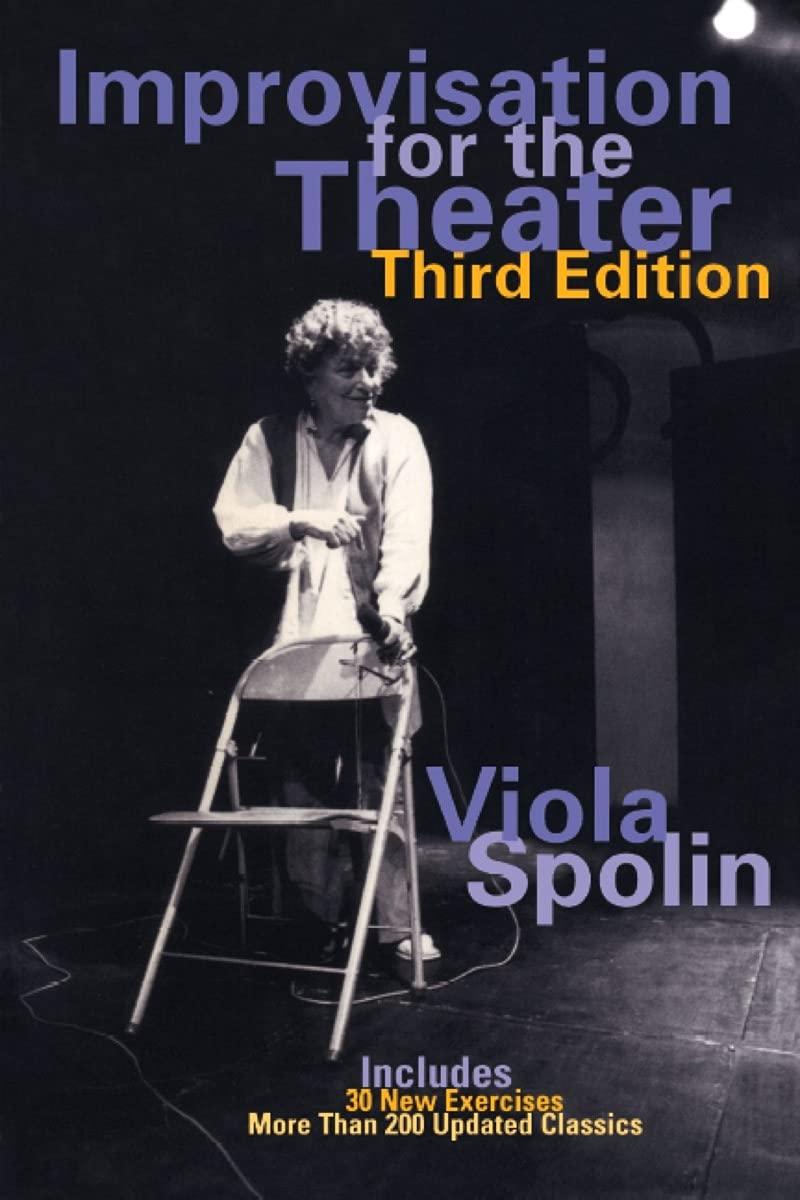
Improvisation for the Theater
A Handbook of Teaching and Directing Techniques
Viola Spolin

Improvisation Starters
A Collection of 900 Improvisation Situations for the Theater
Philip Bernardi

The Young Actor's Book of Improvisation
Dramatic Situations
Sandra Caruso; Susan Kosoff
Related Exercises
Boring Scenes Circle
Boring Scenes Circle is a training exercise in which players deliberately perform the most mundane, uneventful scenes they can. By stripping away the instinct to be clever or dramatic, the exercise reveals that strong characters, honest relationships, and genuine listening create compelling stage work regardless of plot. It builds trust in simplicity.
Opposites
Opposites is an exercise in which two performers play a scene while deliberately making contrasting choices in energy, physicality, and emotional tone. If one player is loud, the other is quiet; if one is deliberate, the other is impulsive; if one is formal, the other is casual. The exercise teaches the dramatic value of contrast and develops awareness of how opposing choices create dynamic scenes and interesting characters.
Rant
Rant is a monologue game in which a performer delivers a passionate, escalating tirade on an audience-suggested topic. The rant must build in intensity and specificity without losing coherence. The game rewards vocal commitment, comedic exaggeration, and the ability to find a genuine emotional core within an absurd complaint.
Flatmates Just Do Nothing
Flatmates Just Do Nothing is a scene exercise in which performers play roommates engaged in completely mundane, low-stakes activity -- watching television, eating cereal, folding laundry -- with no dramatic agenda imposed from outside. The exercise trains the ability to be fully present in an ordinary moment, to find authentic relationship texture in ordinary behavior, and to trust that genuine connection and specificity are sufficient engines for scene without the need for conflict or event.
Create Obstacles
Create Obstacles is a scene exercise in which performers deliberately introduce complications and barriers to their characters' goals. The exercise teaches that obstacles are the engine of dramatic interest: characters who get what they want without resistance produce flat, unengaging scenes. By practicing the creation of obstacles, performers develop the instinct to generate tension and problem-solving pressure from within the scene rather than waiting for obstacles to arrive from outside.
The Lineage
Explore the schools and structures that influenced or evolved from Annoyance Scenes.
Annoyance Theatre
How to Reference This Page
The Improv Archive. (2026). Annoyance Scenes. Retrieved September 28, 2026, from https://improvarchive.org/exercises/annoyance-scenes
The Improv Archive. "Annoyance Scenes." The Improv Archive, 2026. https://improvarchive.org/exercises/annoyance-scenes.
The Improv Archive. "Annoyance Scenes." The Improv Archive, 2026, https://improvarchive.org/exercises/annoyance-scenes. Accessed September 28, 2026.
The Improv Archive is a systemically maintained repository. The archive itself acts as the corporate author.