Distance Game
Distance Game is a scene exercise in which the physical distance between performers directly dictates the emotional distance between their characters. As players move closer together, intimacy and tension increase; as they move apart, distance, separation, or conflict grows. The exercise makes the connection between physical space and emotional relationship viscerally apparent and trains performers to use the stage space as a primary storytelling tool.
Structure
Setup
Two performers establish a scene and a relationship. The coach establishes the rule: distance equals emotional distance. As performers move, the emotional relationship between the characters must follow.
Playing the Distance
Performers move through the space based on what their characters feel toward each other in each moment. The physical distance is not a metaphor for the performers to describe -- it is the reality the characters inhabit. At maximum distance, the characters are as emotionally separated as they can be. At arm's reach, the relationship is at its most intimate or charged.
Exploring the Range
The coach may direct performers to specific distances to explore what the scene looks like from each point, or allow performers to make their own spatial choices as they discover the scene.
Conclusion
The exercise runs until performers have explored the full range of the distance spectrum within a single scene's arc.
How to Teach It
Objectives
Distance Game targets spatial awareness, the use of the stage as a storytelling instrument, and the physical embodiment of relationship dynamics. It trains performers to make active, intentional spatial choices rather than defaulting to static positions.
How to Explain It
"Physical distance is emotional distance. Where you stand tells me what your character feels toward the other person. If you're close, they're emotionally close. If you're far, they're not. Let the movement be the emotion."
Scaffolding
With beginners, begin with a clear, simple emotional arc: two characters starting far apart and gradually coming together, or starting close and separating. With advanced performers, allow the distance to shift multiple times within a single scene, following the characters' internal emotional logic.
Common Sidocoaching
- "How far do you need to be right now?"
- "Let your feet know what you feel."
- "If you moved closer, what would that cost you?"
Common Pitfalls
Performers sometimes move to illustrate their stated emotion (the character says 'I love you' and moves closer) rather than discovering the emotion through the movement (the character moves closer and discovers what it means). The more interesting direction is to let movement lead feeling.
Worth Reading
See all books →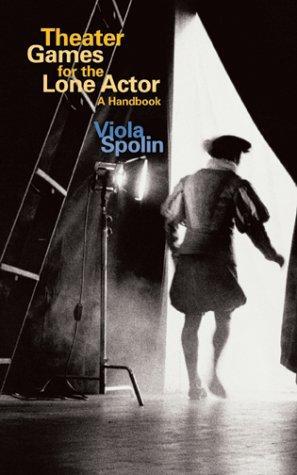
Theater Games for the Lone Actor
Viola Spolin
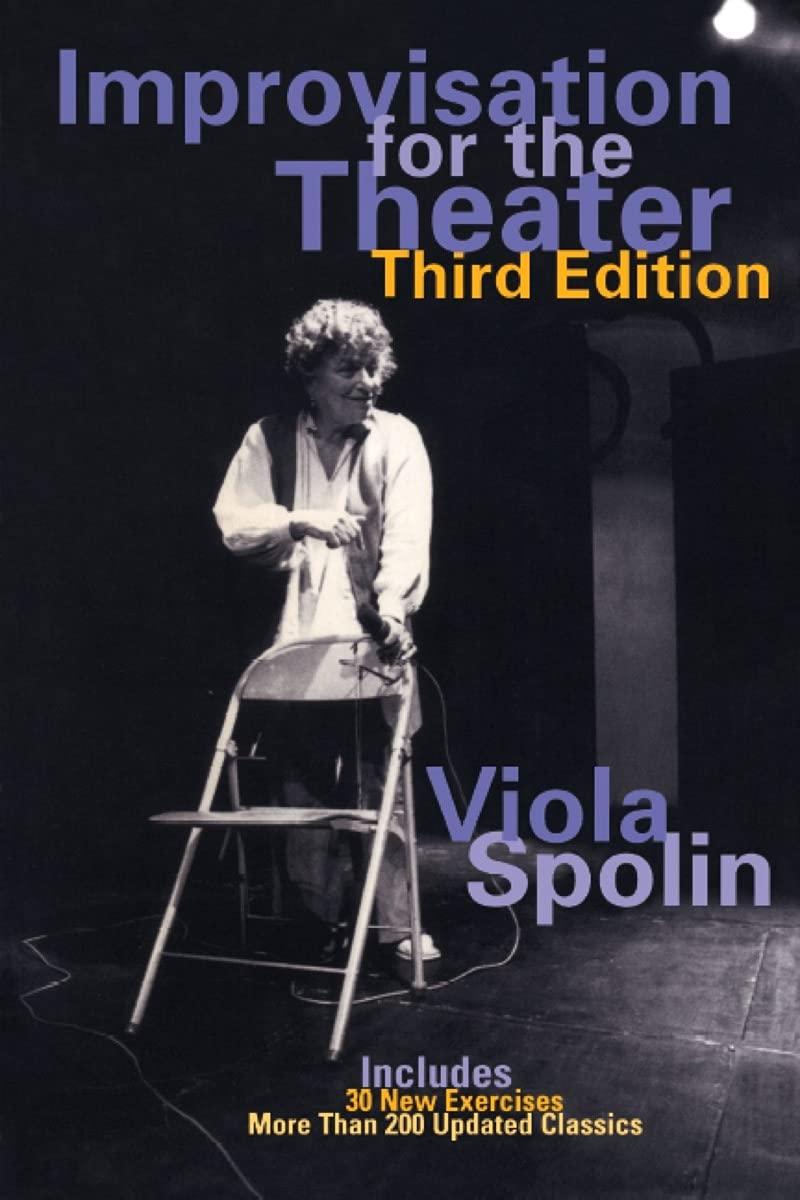
Improvisation for the Theater
A Handbook of Teaching and Directing Techniques
Viola Spolin
Theater Games for Rehearsal
Viola Spolin
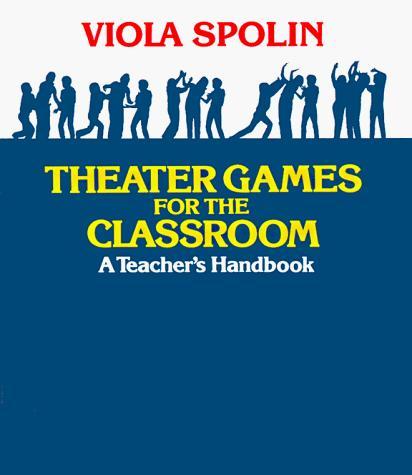
Theater Games for the Classroom
Viola Spolin

Drama Games and Improvs
Games for the Classroom and Beyond
Justine Jones; Mary Ann Kelley
112 Acting Games
Gavin Levy
Related Exercises
Continuing Emotions
Continuing Emotions is a scene game in which performers cycle through a series of emotional states at the direction of a caller. Each emotional shift must be justified within the scene's reality rather than simply displayed, with characters finding a reason to feel the new state given what has just happened. The game trains emotional range, commitment, and the ability to sustain scene logic through rapid change.
Emotional Squares
Emotional Squares is a spatial improv exercise and game in which the performance area is divided into a grid of squares, each assigned a distinct emotion. Performers moving through the space must immediately adopt the emotional state of whatever square they occupy. Crossing into a new square produces an immediate emotional shift. The game rewards bold physical choices and clear, committed transitions between emotional states as performers navigate the grid.
Emotions Characters
Emotions Characters is a character-building exercise in which performers construct a character whose entire identity is defined by a single dominant emotion. Rather than playing a character who experiences an emotion, the performer plays a human being for whom that emotion is the organizing principle of their existence: a person constituted entirely by joy, or anger, or longing, or fear. The exercise develops the skill of using emotion as a generative foundation for character rather than as a surface-level behavioral quality.
Location, Relationship, Escalate, End
Location, Relationship, Escalate, End is a scene construction exercise in which performers build a scene through four discrete, progressive stages: first establishing a specific physical location, then establishing the specific relationship between the characters, then escalating the scene through increasing stakes or emotional intensity, and finally bringing it to a definitive end. The exercise provides a structured scaffold for scene construction and trains performers to execute each element with commitment and specificity before moving to the next.
I Love You
This exercise takes its name from the three-word declaration at the heart of every scene it generates. Performers say the title phrase to each other in as many contexts, relationships, and emotional registers as possible, discovering the vast range of meaning the words carry depending on delivery, history, and circumstance. The same phrase spoken between parent and child, between rivals, between strangers, or between lifelong partners produces entirely different scenes. The exercise builds emotional range, comfort with vulnerability onstage, and the ability to invest familiar words with specific, truthful feeling.
How to Reference This Page
The Improv Archive. (2026). Distance Game. Retrieved September 28, 2026, from https://improvarchive.org/exercises/distance-game
The Improv Archive. "Distance Game." The Improv Archive, 2026. https://improvarchive.org/exercises/distance-game.
The Improv Archive. "Distance Game." The Improv Archive, 2026, https://improvarchive.org/exercises/distance-game. Accessed September 28, 2026.
The Improv Archive is a systemically maintained repository. The archive itself acts as the corporate author.