The Right Attitude
The Right Attitude is an applied exercise in which participants practice reframing the same situation through multiple emotional or attitudinal lenses, discovering how the chosen attitude changes perceived options, energy, and outcomes. The exercise builds the habit of deliberate attitude selection as a professional skill.
Structure
The Situation
The facilitator presents a challenging workplace or interpersonal scenario: a project setback, a difficult colleague, an unwanted assignment, or a failed initiative.
The Attitudes
Participants are given three attitudinal frames to inhabit sequentially: resentment, resignation, and genuine curiosity. Each frame is adopted fully for one to two minutes.
The Response
From each attitudinal position, participants describe what they notice about the situation, what options they see, and what their next action would be. They may speak, write, or move through the space.
The Reflection
After moving through all three frames, participants compare what each attitude made visible and invisible. The debrief connects attitude selection to professional effectiveness.
How to Teach It
Objectives
The Right Attitude makes attitude selection a visible and deliberate practice rather than a passive response. Participants discover that the attitude they bring to a situation determines what they can perceive and what actions become available.
Facilitation Notes
Encourage full physical commitment to each frame, not just a verbal description of it. Moving through the space in resentment and then in genuine curiosity makes the difference more visceral and memorable.
Common Pitfalls
Participants sometimes treat the frames as abstract analysis rather than embodied states. The exercise asks for physical inhabitation of each attitude, not commentary on it.
In Applied Settings
Resilience and Change Management
The Right Attitude is used in organizational change programs to build the capacity to choose a productive orientation when circumstances are not ideal. The exercise demonstrates that attitude is not automatic.
Leadership Development
Managers practice identifying the attitude they are modeling in difficult situations and deliberately choosing the frame that will best serve their team and their objectives.
Coaching and Performance Programs
Facilitators use the exercise to break the assumption that attitude is fixed, giving participants a practical tool for reorienting in real time.
Skills Developed
Worth Reading
See all books →
Business Improv
Experiential Learning Exercises to Train Employees
Val Gee

Getting to Yes And
The Art of Business Improv
Bob Kulhan; Chuck Crisafulli

The Applied Improvisation Mindset
Tools for Transforming Individuals, Organizations, and Communities
Theresa Robbins Dudeck; Caitlin McClure
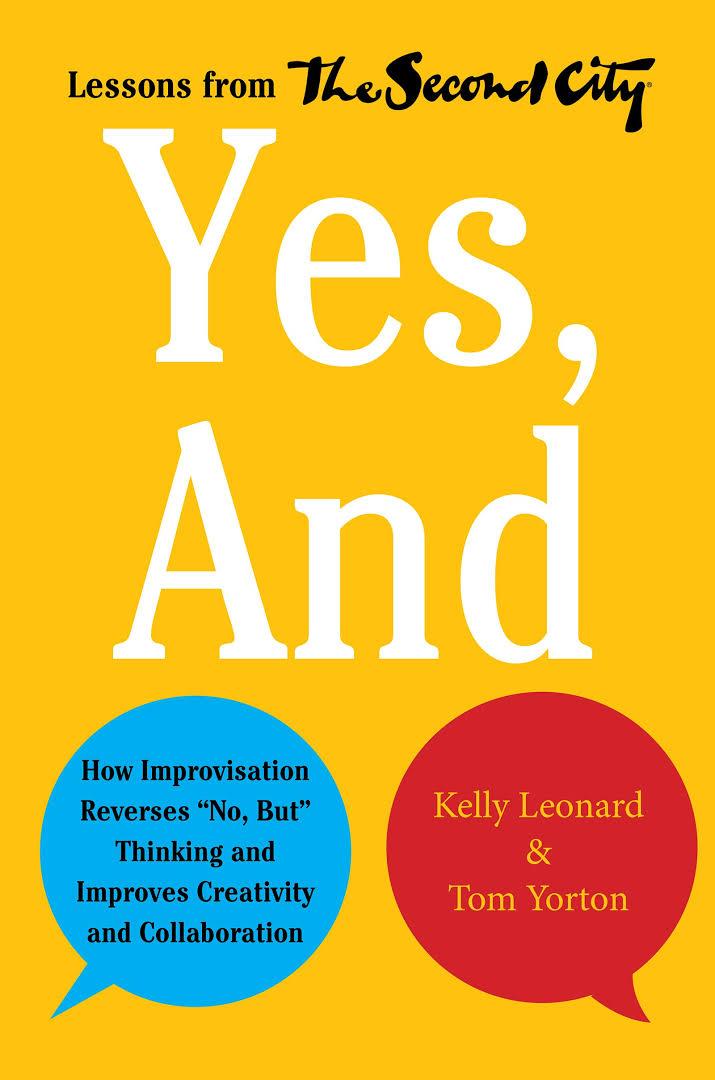
Yes, And
How Improvisation Reverses No, But Thinking and Improves Creativity and Collaboration
Kelly Leonard; Tom Yorton
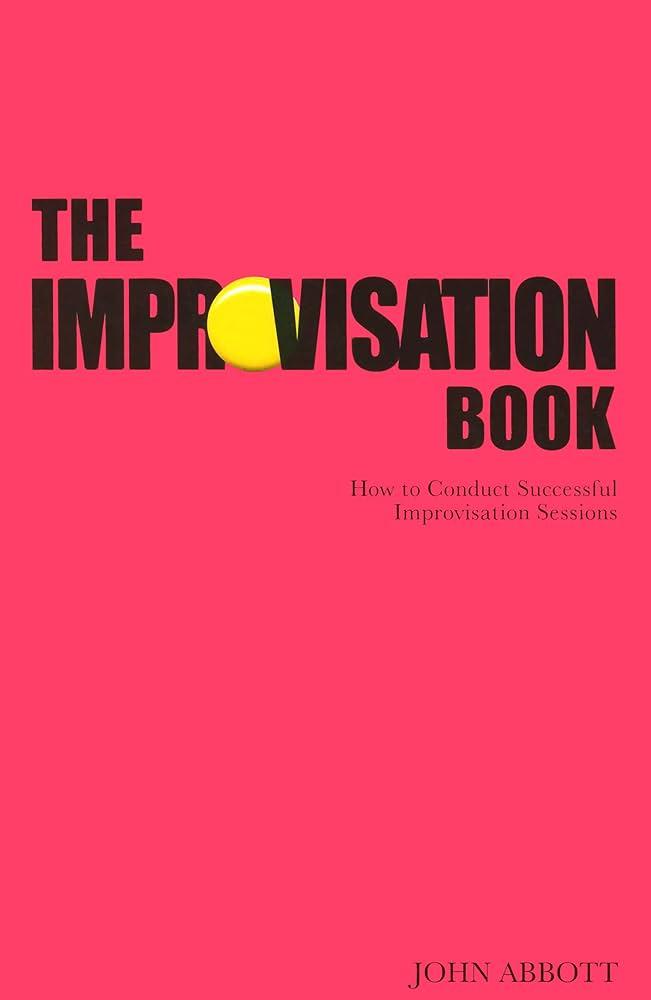
The Improvisation Book
How to Conduct Successful Improvisation Sessions
John S.C. Abbott

Applied Improvisation
Leading, Collaborating, and Creating Beyond the Theatre
Theresa Robbins Dudeck; Caitlin McClure
Related Exercises
Benefit of the Doubt
An exercise in choosing to assume positive intent from others. Participants practice reframing situations where they might normally assume the worst about a colleague's behavior.
The Five Second Rule
The Five Second Rule is an applied exercise in which participants practice making quick decisions and committing to them within a strict five-second window. The exercise builds decisiveness by interrupting the overthinking patterns that stall action and erode confidence.
Word Choice
Word Choice is an applied exercise in which participants reframe the same message using different word selections, discovering how specific word choices alter perception, emotional tone, and implicit authority, training precise language awareness and the ability to select words with intention rather than habit.
Emotional Option
Emotional Option is an applied improv exercise in which participants hold a paired conversation while a facilitator calls out different emotions at intervals. The pairs must continue their conversation in the register of the newly assigned emotion without stopping or acknowledging the transition. The exercise trains rapid emotional adaptability, the awareness that emotional state is a choice, and the practical skill of continuing a conversation under shifting emotional pressure.
The Cycle of Deep Yes And
The Cycle of Deep Yes And is an applied exercise in which participants practice full acceptance and active building in paired conversation, moving through multiple rounds that progressively deepen their commitment to the yes-and principle. The exercise trains the habit of genuine affirmation before contribution.
Motivation
Motivation is an applied improv exercise that explores the distinction between intrinsic and extrinsic motivation by having participants play characters or engage in tasks driven by different types of motivational fuel. The exercise reveals how motivation quality affects group behavior, creative engagement, and collaborative generosity -- making the difference between performed participation and genuine contribution visible and discussable.
The Lineage
Explore the schools and structures that influenced or evolved from The Right Attitude.
Business Improv (Gee & Gee)
How to Reference This Page
The Improv Archive. (2026). The Right Attitude. Retrieved September 28, 2026, from https://improvarchive.org/exercises/the-right-attitude
The Improv Archive. "The Right Attitude." The Improv Archive, 2026. https://improvarchive.org/exercises/the-right-attitude.
The Improv Archive. "The Right Attitude." The Improv Archive, 2026, https://improvarchive.org/exercises/the-right-attitude. Accessed September 28, 2026.
The Improv Archive is a systemically maintained repository. The archive itself acts as the corporate author.